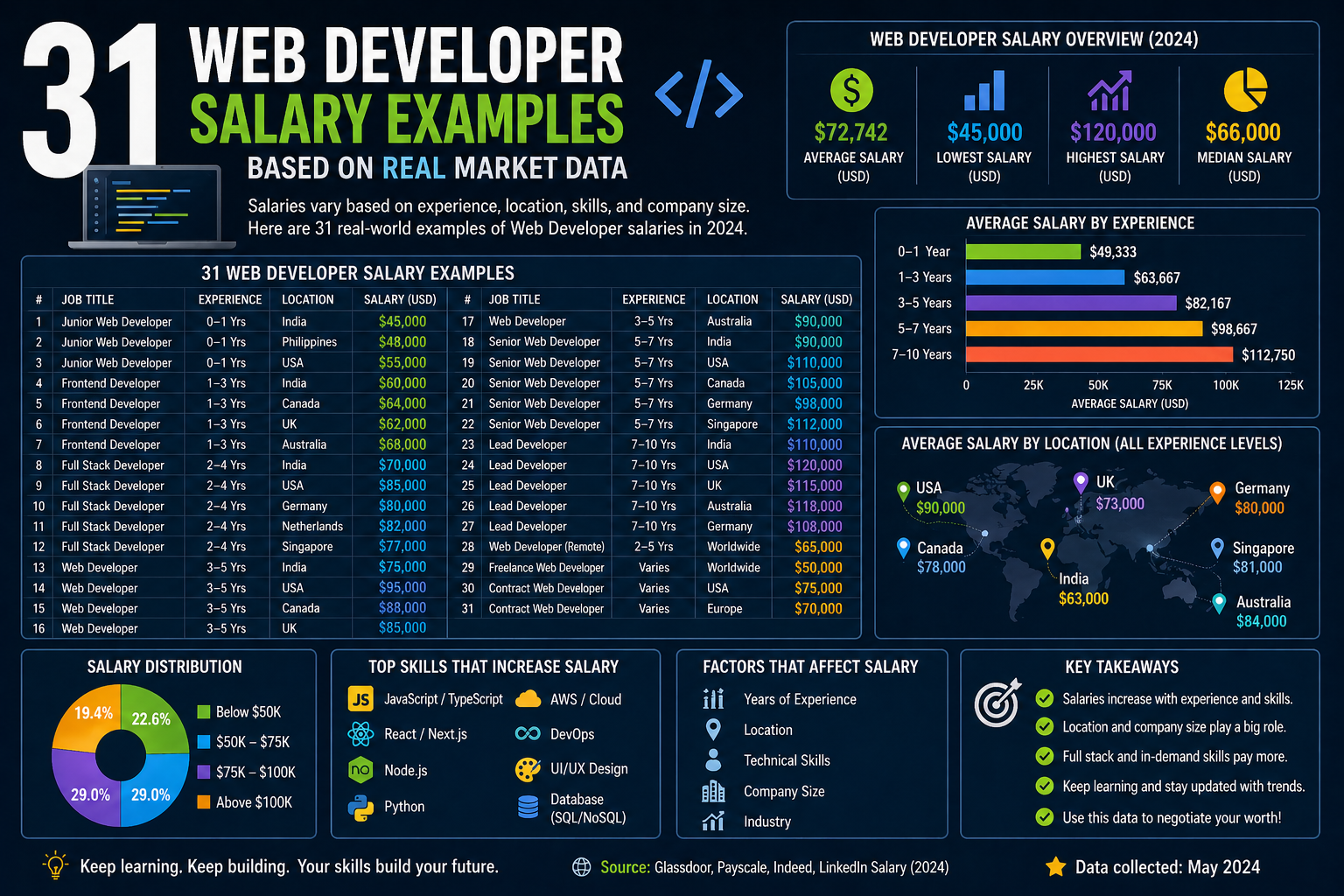
Web development has become one of the most essential pillars of the modern digital economy. Almost every service, product, and interaction that takes place online is supported by web developers working behind the scenes. From the simplest informational websites to highly complex platforms that manage financial transactions, logistics systems, healthcare records, and social networks, web developers are responsible for building and maintaining the structures that make these systems possible.
At its core, web development is the process of creating applications that operate through web browsers. These applications must be functional, responsive, secure, and accessible across a wide range of devices. The role requires both technical precision and creative problem-solving, as developers must translate human needs into digital solutions that perform reliably at scale.
Unlike many traditional professions, web development exists in a constantly evolving environment. New frameworks, languages, tools, and best practices emerge frequently, reshaping how developers approach their work. This continuous evolution contributes to the dynamic nature of the field, where learning is not optional but an ongoing requirement.
As organizations across industries continue to shift toward digital-first strategies, the demand for skilled web developers has expanded significantly. Businesses rely on web applications not only to present information but also to generate revenue, engage customers, and manage internal operations. This dependence has elevated the importance of web developers and positioned them as critical contributors to business success.
The financial value assigned to web developers is closely tied to this dependency. When a website or application is central to a company’s operations, the people responsible for building and maintaining it naturally become more valuable. This connection between digital infrastructure and business performance plays a major role in shaping compensation levels across the industry.
The Core Responsibilities That Define Web Development Work
Web developers are responsible for translating ideas, designs, and requirements into fully functional digital products. This process involves writing code, structuring databases, integrating services, and ensuring that applications perform correctly under different conditions. While the exact responsibilities vary depending on the role and organization, the foundational expectations remain consistent across the profession.
One of the primary responsibilities involves building user-facing interfaces. This includes ensuring that websites are visually consistent, interactive, and responsive to different screen sizes and devices. Developers must consider usability, accessibility, and performance when implementing these interfaces so that users can interact with applications smoothly.
Another key responsibility lies in developing server-side logic. This includes managing data flow between users and servers, processing requests, and ensuring that information is stored and retrieved correctly. This layer of development is essential for applications that rely on dynamic content, user accounts, or real-time data processing.
Web developers also spend a significant portion of their time debugging and maintaining existing systems. Applications rarely function perfectly after initial deployment, so ongoing maintenance is required to fix errors, optimize performance, and update features. This maintenance work is crucial for ensuring long-term reliability.
In addition, developers often collaborate with designers, product managers, and other technical specialists. This collaboration ensures that the final product aligns with both user expectations and business goals. Communication skills, therefore, play an important role in the effectiveness of a developer, even though the work is highly technical.
Security is another major responsibility in modern web development. Developers must ensure that applications are protected against threats such as data breaches, unauthorized access, and malicious attacks. This involves implementing secure coding practices and regularly updating systems to address vulnerabilities.
Different Categories of Web Development Specialization
Web development is generally divided into several specialized roles, each focusing on different aspects of application development. These roles often overlap in practice, but they help define responsibilities and skill expectations within teams.
Front-end development focuses on the parts of a website or application that users directly interact with. This includes layout, design implementation, navigation, and interactive elements. Front-end developers ensure that applications are visually appealing, intuitive, and responsive. Their work directly influences user experience and engagement.
Back-end development focuses on the underlying systems that power applications. This includes server management, database operations, and application logic. Back-end developers ensure that data flows correctly between systems and that applications remain stable and efficient under load. Their work is less visible to users but essential for functionality.
Full-stack development combines both front-end and back-end responsibilities. Full-stack developers are capable of handling complete application development processes, from user interface design implementation to server-side architecture. This versatility often makes them highly valuable in smaller teams or fast-paced environments.
Beyond these primary categories, there are also specialized roles that focus on specific aspects of development. Some developers concentrate on performance optimization, ensuring that applications load quickly and run efficiently. Others focus on accessibility, making sure that digital products are usable by people with disabilities.
Some developers specialize in specific industries or platforms. For example, some focus on building applications for e-commerce systems, while others work primarily on enterprise software or mobile-responsive web applications. These specializations often influence both job opportunities and compensation levels.
The Growth of Web Development Demand Across Industries
The demand for web developers has increased steadily over the past decade, driven by the rapid expansion of digital services across nearly every industry. Businesses that once operated primarily offline now rely heavily on web-based systems to reach customers, manage operations, and deliver services.
One of the primary drivers of this demand is the shift toward online commerce. Retail, entertainment, education, healthcare, and financial services have all adopted digital platforms as core components of their operations. These platforms require continuous development and maintenance, creating ongoing demand for skilled developers.
Another factor contributing to this growth is the increasing importance of data-driven decision-making. Modern web applications often collect and process large amounts of user data. Developers are needed to build systems that can handle this data efficiently while ensuring privacy and security standards are maintained.
The rise of remote work and cloud-based infrastructure has also expanded opportunities for web developers. Companies are no longer limited to hiring talent within specific geographic regions. Instead, they can access global talent pools, which have increased competition but also expanded job availability.
At the same time, digital transformation initiatives within traditional industries have created new opportunities for developers. Sectors such as manufacturing, logistics, and government services are investing heavily in modernizing their systems, often requiring web-based solutions to improve efficiency and accessibility.
This widespread demand has created a strong job market for web developers, but it has also introduced variation in expectations. Different industries value different skill sets, and this variation contributes to differences in job roles, responsibilities, and compensation levels.
How Web Development Works Is Structured in Professional Environments
In professional environments, web development is rarely a solitary activity. Instead, it is typically organized within teams that include multiple roles working together to build and maintain applications. This collaborative structure ensures that different aspects of development are handled by individuals with specialized expertise.
A typical development team may include front-end developers, back-end developers, full-stack developers, designers, project managers, and quality assurance specialists. Each role contributes to different stages of the development lifecycle, from initial planning to final deployment.
Projects often begin with requirement gathering, where business needs are translated into technical specifications. Developers then work with designers to create prototypes and wireframes that outline the structure and functionality of the application. This stage is crucial for aligning expectations before coding begins.
Once development starts, tasks are typically divided among team members based on specialization. Front-end developers focus on interface implementation, while back-end developers build the systems that support functionality. Full-stack developers may contribute across both areas depending on project needs.
Testing is an ongoing part of the development process. Quality assurance teams and developers work together to identify and fix issues before applications are released to users. This process helps ensure stability, performance, and usability.
After deployment, development work does not end. Applications require continuous updates, bug fixes, and feature enhancements. Developers often work in iterative cycles, releasing improvements based on user feedback and changing business requirements.
Key Technical Foundations That Shape Web Development Work
Web development relies on a combination of foundational technologies that form the basis of most applications. These technologies define how websites are structured, how they behave, and how they communicate with servers and databases.
At a fundamental level, web applications are built using markup languages that define structure, styling languages that control appearance, and programming languages that enable interactivity. These layers work together to create functional and visually appealing digital experiences.
Beyond these basics, developers often work with frameworks that simplify and streamline development processes. Frameworks provide pre-built components and structures that reduce the need for repetitive coding, allowing developers to focus on application logic and functionality.
Databases also play a central role in web development. They store and organize information such as user data, product details, and transaction records. Developers must understand how to interact with databases efficiently to ensure that applications perform well under different conditions.
In addition to these core technologies, modern web development often involves tools for version control, deployment, testing, and performance optimization. These tools help developers manage complex projects and collaborate effectively within teams.
As applications grow in complexity, developers must also consider scalability. This means designing systems that can handle increasing numbers of users and data without compromising performance. Scalability is a critical factor in professional development environments, particularly for applications expected to grow over time.
The Increasing Importance of Digital Skills in Career Development
Web development has become one of the most accessible yet competitive fields in the technology industry. Many individuals enter the profession through self-learning, formal education, or career transitions from unrelated fields. This accessibility has contributed to a diverse workforce with varying levels of experience and expertise.
As digital systems become more central to business operations, the value of web development skills continues to rise. Organizations are increasingly seeking professionals who can not only write code but also understand broader business objectives and user needs.
Career progression in web development is often tied to both technical skill development and practical experience. As developers gain experience, they typically take on more complex responsibilities, including system design, architecture planning, and team leadership.
The ability to adapt to new technologies is also a key factor in long-term career success. Because the field evolves rapidly, developers who remain flexible and continuously update their skills are better positioned to advance in their careers.
In addition to technical abilities, soft skills such as communication, teamwork, and problem-solving play an important role in professional growth. Developers who can effectively collaborate with non-technical stakeholders often contribute more significantly to project success.
The combination of technical expertise and adaptability makes web development a dynamic and evolving career path, where opportunities continue to expand alongside technological advancement.
Compensation Structures in Web Development Careers
Web developer compensation is not determined by a single fixed formula. Instead, it is shaped by multiple layers of pay structure that vary across companies, employment types, and project demands. While many people think of salary as a straightforward annual figure, in practice, it often includes a combination of base pay, performance-based adjustments, and additional financial benefits that collectively define total earnings.
Most full-time web development roles are built around a base salary system. This is the guaranteed amount a developer receives regardless of performance fluctuations. However, in many organizations, especially larger tech-driven companies, base salary is only one part of the compensation picture. Developers may also receive bonuses tied to individual performance, team success, or company profitability.
In addition to bonuses, some organizations offer equity-based compensation. This means developers receive ownership shares in the company, which may increase in value over time. While this is more common in startups and high-growth companies, it introduces a long-term financial component that can significantly impact overall earnings.
Contract-based compensation operates differently. Instead of a fixed annual salary, developers working as contractors are typically paid hourly or per project. This structure often results in higher short-term earnings, but without the stability or benefits associated with permanent employment. It also places greater responsibility on the developer to manage workload consistency and income stability.
Freelance compensation is another model that differs significantly from traditional employment. Freelancers set their own rates and negotiate directly with clients. Their income depends heavily on skill level, reputation, and ability to secure consistent work. While freelance work can be highly profitable, it also requires strong self-management and business development skills.
Across all these structures, compensation is closely tied to perceived value. Developers who can demonstrate measurable impact on business outcomes—such as improving performance, increasing user engagement, or reducing system costs—are often rewarded with higher pay and better advancement opportunities.
How Geographic Location Shapes Developer Earnings
Geographic location remains one of the most influential factors in determining web developer salaries. Even in a remote-friendly job market, regional differences continue to play a major role in how compensation is structured and negotiated.
In major technology hubs, salaries tend to be significantly higher due to intense competition for skilled talent and the presence of large technology companies. These regions often set industry benchmarks for compensation, especially for experienced developers working in high-demand roles. However, higher salaries in these areas are often balanced by increased living costs, which can offset some of the financial advantage.
In contrast, smaller cities and non-technology-focused regions typically offer lower salary ranges. However, these locations often provide a lower cost of living, which can make overall compensation more balanced in terms of purchasing power. Developers in these areas may experience greater financial flexibility despite lower nominal salaries.
International differences also play a major role in web development compensation. Countries with strong technology sectors often offer competitive salaries, while emerging markets may have lower average pay levels but increasing demand for skilled developers. These global variations create a highly diverse salary landscape.
Remote work has complicated traditional geographic salary models. Some companies adjust salaries based on the employee’s location, while others standardize pay regardless of geography. This has created a new dynamic where developers must understand how their location affects their earning potential even when working remotely.
Ultimately, geography influences not only salary levels but also career opportunities, industry exposure, and access to high-growth companies. Developers who understand these dynamics are better positioned to make informed career decisions.
Experience Progression and Long-Term Salary Growth
Experience plays a central role in shaping web developer salaries, but its impact extends beyond simply measuring years in the field. Employers evaluate experience based on depth of knowledge, problem-solving ability, and the complexity of projects handled over time.
Early-stage developers typically focus on learning core technologies and contributing to smaller components of larger projects. During this phase, compensation tends to reflect foundational skill development rather than high-level technical expertise. The primary focus is on building competence and understanding development workflows.
As developers move into mid-level roles, their responsibilities expand significantly. They begin to take ownership of features, contribute to system design discussions, and work more independently. This increased responsibility is reflected in higher compensation levels, as employers expect greater productivity and reduced supervision.
At senior levels, experience becomes closely tied to leadership and architectural decision-making. Senior developers often influence technical direction, mentor junior team members, and oversee complex system implementations. Their compensation reflects not only technical ability but also strategic value to the organization.
Beyond senior roles, some developers transition into specialized leadership positions. These roles may focus on engineering management, system architecture, or technical strategy. Compensation at this level is often significantly higher, reflecting both technical expertise and leadership responsibility.
Long-term salary growth is also influenced by consistency and adaptability. Developers who continuously update their skills and remain aligned with industry trends tend to experience more stable and sustained income growth over time.
The Financial Impact of Role Specialization
Specialization within web development has a direct impact on earning potential. While generalist developers are valuable, those who focus on specific high-demand areas often command higher salaries due to their deeper expertise.
Front-end specialists typically focus on user interface development and experience optimization. While this role is highly important, compensation can vary depending on the complexity of the systems involved and the technologies used. Developers who work with advanced frameworks and performance optimization tools may earn more than those working with basic implementations.
Back-end specialization often leads to higher compensation due to the complexity of server-side systems, database architecture, and API development. These systems require strong problem-solving skills and a deep understanding of system performance and scalability.
Full-stack developers often occupy a unique position in the salary landscape. Their ability to work across both front-end and back-end systems makes them highly versatile, which can lead to higher compensation in organizations that value flexibility and cross-functional capability.
Specializations in cloud computing and DevOps have also become increasingly valuable. Developers with expertise in deployment automation, infrastructure management, and cloud platforms are often compensated at higher levels due to their impact on system reliability and scalability.
Other specialized roles, such as performance optimization and security-focused development, also tend to offer higher compensation. These roles require advanced knowledge and directly contribute to application stability and risk reduction.
Industry-Based Differences in Developer Compensation
The industry in which a web developer works has a significant influence on salary levels. Different sectors have varying levels of technical complexity, budget availability, and dependency on digital systems, all of which affect compensation.
Technology-focused industries typically offer some of the highest salaries. Companies in these sectors rely heavily on software products and digital platforms, making web developers central to their business operations. As a result, compensation tends to reflect the strategic importance of development teams.
Financial services is another high-paying sector due to the complexity and security requirements of its systems. Web developers in this industry often work on secure transaction platforms, data-intensive applications, and compliance-driven systems.
Healthcare technology also offers competitive compensation, driven by the need for secure and reliable systems that manage sensitive data. Developers in this field must often adhere to strict regulatory requirements, which increases the complexity of their work.
Startups present a different compensation model. While base salaries may vary, startups often offer equity or long-term growth potential as part of compensation packages. This introduces a higher level of financial variability but also potential for significant future gains.
Traditional industries such as education, government, and non-profit organizations typically offer lower compensation levels. However, these roles may provide other benefits such as stability, structured work environments, or improved work-life balance.
Remote Work and the Evolution of Salary Models
Remote work has significantly changed how web developer salaries are structured and evaluated. Previously, geographic location was one of the primary determinants of pay. However, remote work has introduced new flexibility in hiring practices and compensation strategies.
Some companies now adopt location-based salary adjustments, meaning developers are paid according to the cost of living in their region. This approach maintains traditional geographic salary differences even in remote settings.
Other organizations use location-independent pay structures, offering standardized salaries regardless of where the developer is based. This model is often used by companies competing for top global talent.
Remote work has also increased access to international job opportunities. Developers are no longer restricted to local job markets and can apply to companies across different regions and countries. This has expanded earning potential for many professionals.
However, remote work also introduces greater competition. Developers are now competing with a global talent pool, which can influence salary expectations and hiring standards.
Communication skills, self-management ability, and time coordination have become increasingly important in remote environments. Developers who excel in these areas may find better compensation opportunities in distributed teams.
Freelance and Contract-Based Income Patterns
Freelance and contract web development represent alternative income pathways that differ significantly from traditional employment. These models offer flexibility but also require strong business and client management skills.
Freelance developers often set their own rates based on experience, skill level, and project complexity. This allows for potentially higher earnings compared to fixed salaries, especially for highly skilled developers with strong portfolios.
Contract work typically involves short-term agreements with companies that need specialized skills for specific projects. These contracts may offer higher hourly rates but lack long-term stability and benefits.
Income from freelance and contract work is highly variable. Some months may bring high earnings, while others may be slower depending on client availability and project flow. This variability requires financial planning and consistent client acquisition efforts.
Reputation plays a significant role in freelance success. Developers with strong portfolios and positive client feedback are more likely to secure higher-paying projects and long-term client relationships.
Over time, experienced freelancers often develop niche specializations that allow them to charge premium rates. These niches may include performance optimization, custom application development, or enterprise system integration.
Negotiation Factors That Influence Salary Offers
Salary negotiation is a critical part of web development career progression. Many developers underestimate the impact of negotiation on long-term earnings, but small differences in starting salary can compound significantly over time.
One of the most important negotiation factors is demonstrated skill level. Developers who can clearly showcase their ability through portfolios, projects, and technical assessments are often in a stronger position during salary discussions.
Market awareness is another important factor. Understanding industry salary ranges and regional compensation standards helps developers set realistic expectations and negotiate effectively.
Timing also plays a role in negotiation outcomes. Developers who negotiate during periods of high demand or strong job performance reviews often achieve better results.
Non-salary benefits can also be part of the negotiation. These may include flexible work arrangements, additional learning opportunities, or performance-based incentives. While not directly financial, these benefits can contribute to overall career value.
Confidence and communication skills significantly influence negotiation success. Developers who can articulate their value clearly and professionally are more likely to achieve favorable outcomes.
Skill Premiums and the Value of Technical Expertise
Certain technical skills carry higher market value due to demand, complexity, or business impact. Developers who master these skills often experience higher compensation growth.
Modern JavaScript frameworks are among the most in-demand skills in web development. Developers who can efficiently build scalable applications using these frameworks are often rewarded with higher salaries.
Cloud computing expertise is another high-value skill area. Developers who understand cloud infrastructure, deployment processes, and scalability challenges are highly sought after in modern development environments.
Database optimization and backend architecture skills also contribute to higher compensation. These skills directly affect application performance and reliability, making them highly valuable to organizations.
Security knowledge is increasingly important as applications handle more sensitive data. Developers who understand secure coding practices and vulnerability prevention are often compensated at higher levels.
Cross-disciplinary skills that combine development with design, product thinking, or system architecture also contribute to higher earning potential. These hybrid skills allow developers to contribute more broadly to projects.
Long-Term Economic Trends Affecting Web Development Salaries
The long-term outlook for web development compensation is influenced by broader economic and technological trends. As digital systems become more integrated into everyday life, demand for skilled developers continues to grow.
Automation and artificial intelligence are changing certain aspects of development work, but are not replacing the need for human developers. Instead, these technologies are shifting the nature of work toward higher-level problem-solving and system design.
The increasing complexity of web applications is also contributing to the rising demand for experienced developers. As systems become more interconnected, the need for skilled professionals who can manage complexity continues to grow.
Globalization of the tech workforce has created both opportunities and challenges. While access to international job markets has increased, competition has also become more intense.
Continuous technological evolution ensures that web development remains a dynamic field. Developers who adapt to changing tools and methodologies are more likely to experience long-term salary growth and career stability.
As organizations continue to invest in digital transformation, web development is expected to remain a high-demand profession with evolving compensation structures and expanding opportunities across industries.
Advanced Skill Development and Its Impact on Web Developer Earnings
As web development continues to evolve, the gap between entry-level and high-earning developers is increasingly defined by advanced skill development. While foundational knowledge remains essential, long-term salary growth is strongly tied to how deeply a developer expands their technical capabilities and how effectively those skills are applied in real-world systems.
Advanced skill development goes beyond learning new programming languages. It involves understanding system architecture, optimizing application performance, and building scalable solutions that can handle complex workloads. Developers who operate at this level are often involved in decision-making processes that influence the direction of entire products or platforms.
One of the most impactful areas of advanced skill development is system design. Developers who can design scalable, efficient, and maintainable systems are highly valued because they reduce long-term operational costs and improve application stability. System design skills also allow developers to work on large-scale applications that serve thousands or even millions of users simultaneously.
Another critical area is performance optimization. Applications that load quickly and respond efficiently provide better user experiences and directly influence business outcomes. Developers who understand how to optimize front-end rendering, back-end processing, and database queries often command higher salaries because their work has a measurable impact on user retention and revenue.
Security expertise is also a major differentiator in advanced web development careers. Developers who understand how to prevent vulnerabilities, secure APIs, and protect sensitive data are essential in industries where trust and compliance are critical. Security-focused developers are often compensated at higher levels due to the high cost of security failures.
In addition, developers who gain expertise in distributed systems and cloud architecture are increasingly in demand. Modern applications rarely operate on a single server, and understanding how to build and manage distributed systems is a valuable skill that directly influences salary potential.
The Role of Problem-Solving Ability in Salary Growth
While technical knowledge is essential, problem-solving ability is one of the most important factors influencing long-term earning potential in web development. Employers consistently value developers who can analyze complex challenges and implement effective, efficient solutions.
Problem-solving in web development involves more than fixing bugs or writing code that works. It requires understanding the underlying cause of issues, evaluating multiple solutions, and selecting the most effective approach based on performance, scalability, and maintainability.
Developers with strong problem-solving skills are often trusted with more complex and high-impact tasks. These responsibilities typically include designing new system features, optimizing existing infrastructure, and resolving critical production issues.
As developers gain experience, their ability to solve problems quickly and accurately becomes a key differentiator in compensation decisions. Employers are often willing to pay more for developers who reduce downtime, improve system performance, and prevent recurring issues.
Problem-solving also plays a significant role in leadership positions. Senior developers and technical leads are expected to guide teams through complex challenges, make architectural decisions, and ensure that solutions align with business goals.
This ability to think critically and act decisively under pressure is often what separates mid-level developers from high-earning senior professionals.
Communication Skills and Their Influence on Compensation
Although web development is highly technical, communication skills have a direct impact on career progression and salary growth. Developers who can clearly explain technical concepts, collaborate effectively with teams, and communicate project requirements tend to advance more quickly.
In modern development environments, web developers frequently interact with designers, product managers, business stakeholders, and other engineers. Each group has different levels of technical understanding, requiring developers to adapt their communication style accordingly.
Clear communication helps reduce misunderstandings during project development. When requirements are accurately understood and clearly communicated, development teams can avoid costly mistakes and delays. This efficiency contributes to better project outcomes, which in turn influences performance evaluations and salary decisions.
Developers who can translate technical concepts into simple, understandable language are especially valuable in cross-functional teams. They help bridge the gap between technical and non-technical stakeholders, ensuring that projects align with business objectives.
Communication also plays a key role in leadership and mentorship roles. Senior developers are often responsible for guiding junior team members, conducting code reviews, and providing feedback. Strong communication skills improve team productivity and overall development quality.
In remote work environments, communication becomes even more important. Developers must rely on written communication, documentation, and virtual collaboration tools to stay aligned with team objectives. Those who excel in these environments often have better career advancement opportunities.
The Growing Importance of Portfolio and Practical Experience
In web development, practical experience often carries more weight than theoretical knowledge. Employers increasingly look for evidence of real-world application rather than just academic or certification-based credentials.
A strong portfolio demonstrates a developer’s ability to build functional, well-structured applications. It provides tangible proof of skill and helps employers evaluate problem-solving ability, coding style, and design thinking.
Projects included in a portfolio can vary widely, from simple web applications to complex systems involving multiple technologies. What matters most is the ability to demonstrate understanding of core concepts and the ability to apply them effectively.
Practical experience also includes contributions to real-world projects, whether through employment, freelance work, or collaborative development. These experiences help developers understand real-world constraints such as deadlines, scalability requirements, and user expectations.
Employers often prioritize candidates who can demonstrate experience with production-level systems. This includes handling deployment, debugging live applications, and maintaining system stability over time.
A well-developed portfolio not only improves job prospects but also strengthens salary negotiation power. Developers who can clearly demonstrate their capabilities are more likely to receive higher initial offers and faster salary progression.
Specialization Paths That Lead to Higher Earnings
Web development offers multiple specialization paths, each with its own earning potential and career trajectory. Choosing a specialization often depends on individual interests, market demand, and long-term career goals.
One of the most common specialization paths is front-end engineering. This area focuses on building interactive and visually engaging user interfaces. Developers who specialize in modern frameworks and performance optimization can achieve strong earning potential within this path.
Back-end engineering is another high-value specialization. It involves working with databases, server-side logic, and application infrastructure. Because back-end systems are critical to application functionality, developers in this area often earn higher salaries compared to generalist roles.
Full-stack development combines both front-end and back-end responsibilities. This specialization is highly valued in smaller teams and startups where flexibility is essential. Full-stack developers often have strong earning potential due to their versatility.
Cloud engineering and DevOps specialization have become increasingly important. Developers in this area focus on deployment pipelines, infrastructure management, and system automation. These roles are often among the highest-paid in web development due to their impact on scalability and reliability.
Security-focused development is another growing specialization. Developers who understand application security, vulnerability prevention, and compliance standards are in high demand across industries that handle sensitive data.
Other emerging specialization paths include performance engineering, accessibility engineering, and API architecture design. Each of these roles focuses on specific aspects of application development and contributes to higher earning potential for skilled professionals.
The Influence of Company Size on Salary Structures
The size and structure of a company play a significant role in determining web developer salaries. Different types of organizations offer different compensation models, benefits, and career growth opportunities.
Large enterprises typically offer higher base salaries and more structured compensation packages. These companies often have established development teams, formal processes, and long-term product roadmaps. Developers in these environments benefit from stability and clearly defined career progression paths.
Mid-sized companies often balance stability with flexibility. Compensation levels in these organizations are competitive, and developers may have more opportunities to work on diverse projects and take on broader responsibilities.
Startups offer a different compensation structure. While base salaries may be lower or more variable, startups often provide equity or performance-based incentives. This introduces potential long-term financial upside but also greater risk.
Small companies and agencies typically offer lower base salaries but may provide more hands-on experience across multiple areas of development. Developers in these environments often gain broad experience quickly, which can support future salary growth.
Company culture and structure also influence salary progression. Organizations that prioritize innovation and technical excellence tend to reward developers who contribute to long-term product success.
The Role of Continuous Learning in Career Advancement
Continuous learning is a defining characteristic of successful web developers. Because the field evolves rapidly, developers must regularly update their skills to remain competitive in the job market.
Learning new frameworks, tools, and methodologies helps developers stay relevant and adaptable. Employers value candidates who demonstrate a commitment to staying current with industry trends and best practices.
Continuous learning also allows developers to transition into higher-paying roles. For example, a front-end developer who learns back-end technologies may transition into full-stack development, expanding their earning potential.
Many developers engage in self-directed learning through practice, experimentation, and project development. This hands-on approach helps reinforce theoretical knowledge and builds practical experience.
Learning also includes staying informed about industry trends. Understanding changes in web technologies, user expectations, and development practices helps developers anticipate future demands and position themselves accordingly.
Organizations often support continuous learning through internal training, mentorship, and exposure to new technologies. Developers who take advantage of these opportunities often experience faster career growth.
Career Mobility and Transition Opportunities in Web Development
Web development offers significant career mobility, allowing professionals to transition into different roles within the technology sector. This flexibility is one of the reasons the field remains attractive to a wide range of individuals.
Developers often transition from junior roles to mid-level and senior positions over time. These transitions are typically accompanied by increased responsibility, higher compensation, and greater involvement in strategic decision-making.
Some developers move into technical leadership roles. These positions involve managing teams, coordinating projects, and making architectural decisions that shape the direction of development efforts.
Others transition into specialized technical roles that focus on areas such as performance optimization, cloud architecture, or security engineering. These roles often offer higher compensation due to their specialized nature.
There are also opportunities to transition into adjacent fields such as product management or technical consulting. These roles leverage a developer’s technical background while expanding into broader business or strategic responsibilities.
Career mobility is often influenced by a combination of experience, skill development, and professional networking. Developers who actively engage with the broader technology community often find more opportunities for advancement.
Market Demand and Future Outlook for Web Development Careers
The long-term outlook for web development careers remains strong due to continued digital transformation across industries. As businesses increasingly rely on web-based systems, the demand for skilled developers is expected to remain high.
Technological advancements are shaping the future of web development, introducing new tools and frameworks that improve efficiency and scalability. Developers who adapt to these changes are likely to remain competitive in the job market.
The integration of artificial intelligence and automation is also influencing development workflows. While some routine tasks may become automated, the need for skilled developers to design, manage, and optimize systems remains essential.
The increasing complexity of web applications is creating demand for more specialized skills. Developers who can manage distributed systems, cloud infrastructure, and large-scale applications will continue to be highly valued.
Global competition in the job market is expected to increase as remote work becomes more common. Developers who differentiate themselves through specialization and advanced skills are more likely to secure higher-paying roles.
Overall, web development continues to offer strong career stability and growth potential, supported by ongoing technological innovation and expanding digital infrastructure across industries.
Conclusion
Web development remains one of the most dynamic and opportunity-rich career paths in the modern digital economy. As businesses continue to expand their online presence and rely more heavily on digital platforms, the demand for skilled developers is expected to stay strong across industries and regions. However, earning potential in this field is not determined by a single factor. Instead, it is shaped by a combination of technical expertise, specialization, experience, industry choice, and the ability to adapt to rapidly changing technologies.
Developers who continuously refine their skills, stay updated with modern frameworks, and understand system architecture tend to progress faster in both responsibility and compensation. Similarly, those who strengthen problem-solving abilities and communication skills often find themselves moving into higher-value roles that influence product direction and business outcomes.
Geography and company structure also continue to play a role, but their impact is increasingly balanced by remote work opportunities and global hiring practices. This shift has created a more competitive but also more flexible job market for web developers.
Ultimately, long-term success in web development depends on continuous learning and strategic career growth. Those who invest in both technical and professional development are best positioned to achieve higher salaries and sustained career advancement in this evolving field.