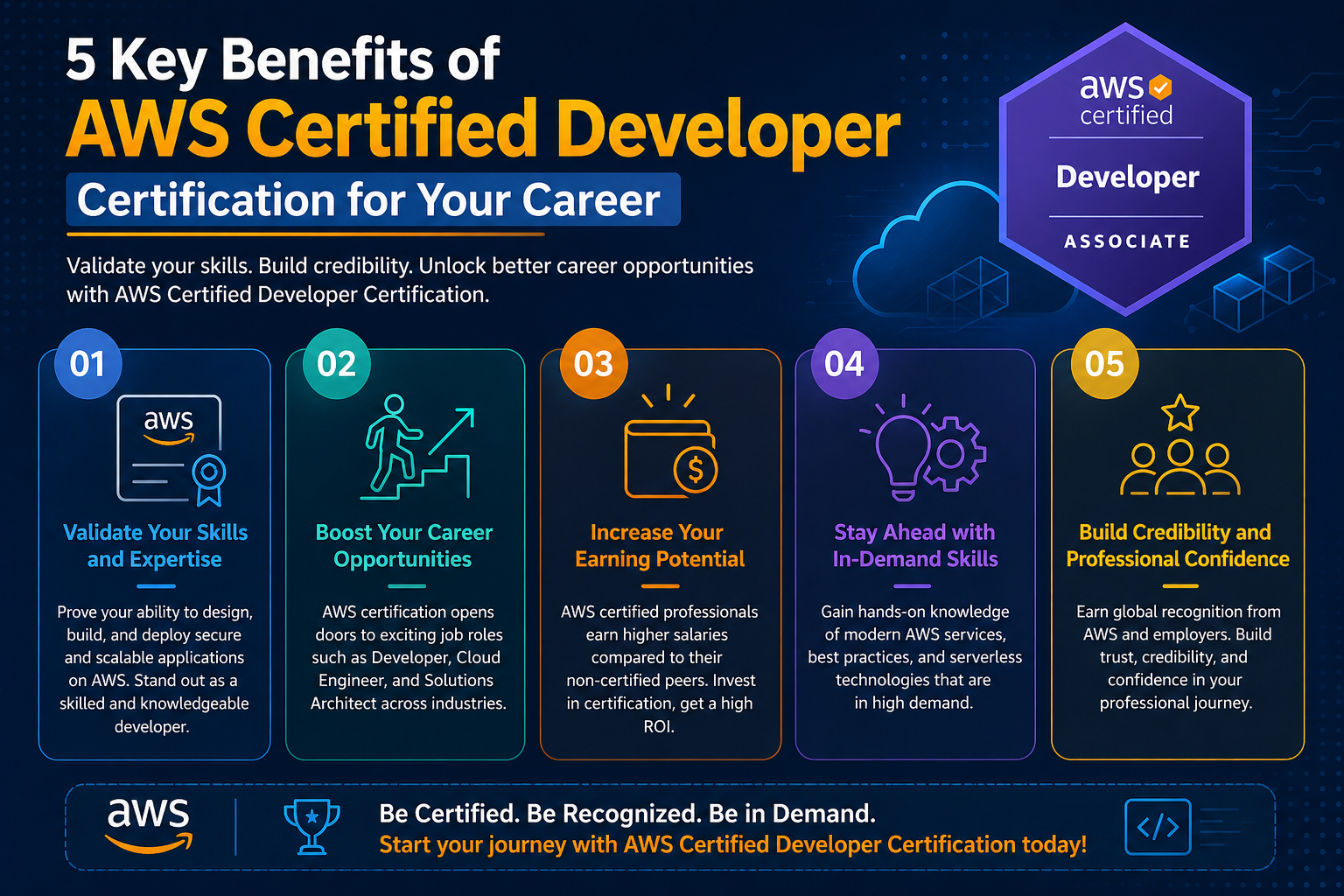
Cloud computing has reshaped the way digital systems are designed, deployed, and maintained across the global technology landscape. Instead of relying solely on physical servers and traditional on-premises infrastructure, organizations now increasingly depend on distributed cloud environments that offer flexibility, scalability, and efficiency. This shift has not happened overnight; it is the result of years of gradual transformation driven by the need for faster innovation cycles, reduced operational costs, and improved system reliability.
In earlier computing models, businesses had to invest heavily in hardware, data centers, and maintenance teams just to keep their applications running. Scaling those systems required significant planning and often involved purchasing additional equipment that might not be fully utilized immediately. This created inefficiencies and limited the ability of organizations to respond quickly to market changes. As digital transformation accelerated, companies began looking for more adaptable solutions that could align with their evolving needs.
Cloud computing emerged as a response to these challenges, introducing a model where computing resources could be accessed on demand through internet-based services. This allowed businesses to focus more on development and innovation rather than infrastructure management. Over time, cloud environments became more sophisticated, offering not only storage and computing power but also advanced tools for machine learning, analytics, application deployment, and security management.
Among the many cloud providers, Amazon Web Services became a central force in shaping modern cloud architecture. Its early entry into the market and continuous expansion of services helped define industry standards. Today, cloud computing is not just an alternative to traditional IT systems; it has become the foundation of most modern digital ecosystems, influencing how applications are built, deployed, and scaled across industries.
Why AWS Became a Dominant Force in Cloud Computing
The rise of Amazon Web Services is closely tied to its ability to provide a comprehensive and scalable cloud platform that caters to a wide range of technical and business needs. One of the key factors behind its dominance is its early establishment in the cloud computing space, which allowed it to develop a mature ecosystem before many competitors entered the market. This early advantage enabled continuous innovation and the expansion of a highly diverse set of services.
AWS offers a broad portfolio that includes computing power, storage solutions, networking tools, databases, artificial intelligence capabilities, and deployment services. This extensive range makes it possible for organizations to build complex systems entirely within a single cloud environment. Instead of relying on multiple providers for different functions, companies can integrate their operations under one unified platform, improving efficiency and reducing complexity.
Another important reason for its widespread adoption is scalability. AWS allows organizations to increase or decrease their computing resources based on demand. This elasticity is especially valuable in modern business environments where traffic patterns and user demands can change rapidly. Whether supporting small startups or large global enterprises, AWS provides infrastructure that can adapt without requiring significant physical upgrades or downtime.
Security has also played a major role in establishing trust in AWS services. The platform incorporates multiple layers of protection, including encryption, identity management, and monitoring tools. These features help organizations safeguard sensitive data while maintaining compliance with industry standards. As cybersecurity concerns continue to grow, the ability to rely on a secure cloud environment has become a critical factor in technology decision-making.
Additionally, AWS has built a global infrastructure that spans multiple geographic regions. This distributed network allows applications to be deployed closer to end users, reducing latency and improving performance. The combination of reliability, global reach, and continuous innovation has positioned AWS as a foundational technology in modern cloud computing.
The Role of Developers in Cloud-Based Application Development
Developers play a central role in the creation and maintenance of cloud-based systems. Unlike traditional application development, where software is designed primarily for fixed environments, cloud development requires a deeper understanding of distributed systems, scalability, and service integration. This shift has significantly expanded the responsibilities of developers working in cloud environments.
In cloud-based development, applications are often built using modular components that interact through APIs and managed services. Developers must design systems that are resilient, efficient, and capable of operating in dynamic environments where resources can scale automatically. This requires not only programming expertise but also a strong understanding of architectural principles that support high availability and fault tolerance.
Another important aspect of cloud development is the integration of services. Developers frequently work with storage systems, databases, authentication mechanisms, and messaging services that are provided by cloud platforms. Instead of building every component from scratch, they combine existing services to create efficient and scalable applications. This approach accelerates development cycles and allows teams to focus on functionality rather than infrastructure complexity.
Automation is also a key element in modern cloud development. Developers often use automated deployment pipelines to manage updates, testing, and scaling operations. This reduces manual intervention and ensures that applications can be deployed consistently across different environments. It also improves reliability by minimizing human error during deployment processes.
As cloud environments continue to evolve, developers are expected to understand not only coding practices but also system design, security considerations, and performance optimization techniques. This expanded skill set reflects the growing complexity of modern applications and the increasing reliance on cloud infrastructure in nearly every sector of the technology industry.
Increasing Global Demand for AWS Skills Across Industries
The demand for AWS-related skills has grown significantly as organizations across industries continue to migrate their operations to cloud environments. This demand is not limited to technology companies alone; it extends to finance, healthcare, retail, entertainment, logistics, and government sectors. Each of these industries relies on digital systems that require scalable and secure infrastructure, making cloud expertise highly valuable.
One of the primary drivers of this demand is the ongoing digital transformation occurring worldwide. Businesses are increasingly adopting cloud-based solutions to improve efficiency, reduce operational costs, and enhance service delivery. As a result, professionals who understand how to build, deploy, and manage cloud applications are becoming essential assets within organizations.
The shortage of skilled professionals has further intensified this demand. Many companies face challenges in finding individuals with the right combination of development knowledge and cloud expertise. This skills gap has created opportunities for professionals who invest in learning cloud technologies, particularly those related to AWS, which holds a significant share of the global cloud market.
Industries that handle large volumes of data, such as finance and healthcare, particularly benefit from AWS skills. These sectors require secure, compliant, and scalable systems to manage sensitive information and support critical operations. Cloud professionals help design systems that meet these requirements while ensuring performance and reliability.
Even traditional industries that were previously less reliant on digital infrastructure are now adopting cloud technologies. Retail businesses use cloud systems for inventory management and customer analytics, while entertainment platforms rely on cloud computing for streaming services and content distribution. This widespread adoption highlights the versatility of AWS skills and their relevance across different professional domains.
Core Responsibilities of an AWS-Focused Developer
An AWS-focused developer is responsible for designing, building, and maintaining applications that operate within cloud environments. Their work involves a combination of software development, system integration, and infrastructure management, all of which must be aligned with cloud computing principles.
One of the primary responsibilities is application development using cloud-native tools and services. This includes building scalable applications that can handle varying levels of user demand without compromising performance. Developers must ensure that applications are optimized for distributed environments and can function efficiently across multiple regions and systems.
Another key responsibility involves managing cloud resources effectively. Developers must understand how to allocate computing power, storage, and networking components in a way that supports application performance while minimizing unnecessary resource usage. This requires careful planning and continuous monitoring to ensure efficiency.
Security is also a critical aspect of the role. Developers must implement secure coding practices and configure access controls to protect applications and data. This includes managing authentication systems, encryption methods, and security policies that align with organizational requirements.
In addition to development and security, AWS-focused developers often work with deployment pipelines and automation tools. These systems allow for continuous integration and continuous deployment processes, enabling faster and more reliable software releases. Developers must ensure that these pipelines function correctly and support the ongoing evolution of applications.
Monitoring and troubleshooting are also essential responsibilities. Cloud environments are dynamic, and applications must be continuously observed to detect performance issues, errors, or security threats. Developers analyze system behavior and make adjustments to maintain stability and efficiency across cloud-based systems.
How Cloud Adoption is Reshaping Software Development Practices
The widespread adoption of cloud computing has fundamentally changed how software is developed, tested, and deployed. Traditional development models, which relied on static environments and manual deployment processes, have been replaced by more dynamic and automated approaches that align with cloud infrastructure capabilities.
One of the most significant changes is the shift toward distributed application architecture. Instead of building monolithic systems, developers now design applications as collections of smaller, independent services that communicate with each other. This approach improves scalability and makes it easier to update or modify individual components without affecting the entire system.
Development cycles have also become faster due to the availability of cloud-based tools and automation frameworks. Continuous integration and deployment practices allow developers to push updates more frequently, reducing the time between development and production. This has led to more agile workflows and quicker response times to user feedback or market changes.
Testing environments have also evolved with cloud adoption. Instead of relying on local or limited physical resources, developers can create scalable testing environments that closely mimic production systems. This improves the accuracy of testing processes and helps identify issues earlier in the development cycle.
Collaboration among development teams has improved as well. Cloud platforms enable multiple developers to work on the same project simultaneously, regardless of their physical location. This has made global collaboration more practical and efficient, supporting the growth of distributed development teams.
As cloud adoption continues to expand, software development practices will likely become even more automated, modular, and data-driven. Developers who adapt to these changes will be better positioned to work effectively in modern technology environments where cloud computing plays a central role in application design and delivery.
Cloud-Native Application Architecture in AWS Ecosystem
Modern application development in cloud environments is built around the concept of cloud-native architecture, where systems are designed specifically to take advantage of distributed computing resources. Instead of relying on a single server or tightly coupled infrastructure, applications are structured into smaller components that can operate independently while still communicating effectively with each other. This architectural approach is especially significant within Amazon Web Services environments, where scalability, flexibility, and resilience are core design principles.
In cloud-native systems, applications are not treated as static entities. They are dynamic, adaptable, and capable of scaling based on demand. Developers design these systems with the expectation that workloads will fluctuate, and infrastructure must respond automatically. This requires a deep understanding of how different services interact within a distributed environment and how dependencies between components can be managed without creating bottlenecks.
A key aspect of cloud-native architecture is the separation of concerns. Each part of an application is designed to handle a specific function, such as processing user requests, storing data, or managing authentication. This separation allows developers to update or scale individual components without disrupting the entire system. It also improves fault tolerance, as failures in one component do not necessarily affect the rest of the application.
Another important characteristic is the use of managed services. Instead of building and maintaining infrastructure from scratch, developers rely on cloud services that handle underlying operational complexity. This allows them to focus more on application logic and user experience rather than server maintenance or hardware configuration. It also ensures that systems are more reliable and easier to maintain over time.
Cloud-native architecture also emphasizes automation. Applications are designed to deploy, scale, and recover automatically based on predefined conditions. This reduces the need for manual intervention and allows systems to operate efficiently in changing environments. Developers must therefore understand how to design applications that can respond intelligently to real-time conditions within the cloud.
Compute Services and Their Role in Application Execution
Compute services form the foundation of cloud-based application execution. These services provide the processing power required to run applications, execute logic, and handle user requests. Within AWS environments, compute resources are designed to be flexible, scalable, and adaptable to different workload requirements.
One approach to computing in cloud systems involves virtualized servers that behave like traditional machines but operate within a distributed infrastructure. These virtual environments allow developers to configure operating systems, install software, and manage applications as needed. However, unlike physical servers, these resources can be scaled up or down quickly based on demand, providing greater efficiency.
Another approach involves event-driven compute models, where applications are executed in response to specific triggers rather than running continuously. In this model, code is executed only when needed, reducing resource consumption and improving cost efficiency. This approach is particularly useful for workloads that are unpredictable or intermittent in nature.
Compute services also support containerized environments, where applications are packaged with their dependencies and deployed consistently across different systems. This ensures that applications behave the same way regardless of where they are executed. Containers improve portability and simplify deployment processes, making them a popular choice for modern cloud applications.
The selection of compute models depends on application requirements, including performance needs, scalability expectations, and operational complexity. Developers must evaluate these factors carefully to choose the most suitable execution environment for their applications.
Data Storage Systems and Information Management in Cloud Applications
Data storage plays a crucial role in cloud-based application development, as most modern systems rely heavily on the ability to store, retrieve, and manage large volumes of information efficiently. In cloud environments, storage systems are designed to be scalable, durable, and accessible from multiple locations simultaneously.
Object-based storage systems are commonly used for storing unstructured data such as images, documents, backups, and application assets. These systems are highly scalable and allow developers to store virtually unlimited amounts of data without worrying about underlying infrastructure limitations. Data is organized in a flat structure, making it easy to access and manage.
Block-based storage systems are used when applications require high-performance access to data. These systems function similarly to traditional disk storage but operate within cloud environments, allowing for flexible attachment to computing resources. They are often used for databases and applications that require low-latency data access.
Structured data storage systems are designed for applications that require organized, queryable data formats. These systems support relational and non-relational models, allowing developers to choose the structure that best fits their application needs. Relational models are useful for structured datasets with clear relationships, while non-relational models provide flexibility for dynamic or unstructured data.
Data consistency, availability, and durability are key considerations in cloud storage design. Systems are built to ensure that data remains accessible even in the event of hardware failures or regional disruptions. This is achieved through replication and redundancy mechanisms that distribute data across multiple locations.
Efficient data management also involves optimizing how applications interact with storage systems. Developers must design applications that minimize unnecessary data transfers, reduce latency, and ensure that storage resources are used effectively.
Networking Infrastructure and Connectivity in Cloud Environments
Networking forms the backbone of cloud computing, enabling communication between different components of an application as well as between users and services. In cloud environments, networking is highly configurable and allows developers to design secure and efficient communication pathways.
Virtual networking systems allow developers to create isolated environments where applications can operate securely. These environments can be divided into smaller segments to control traffic flow and restrict access between different components. This segmentation improves security and helps maintain system organization.
Load distribution mechanisms are used to manage incoming traffic and ensure that no single component becomes overwhelmed. These systems distribute requests evenly across multiple resources, improving performance and maintaining system stability even during periods of high demand.
Cloud networking also supports secure communication between distributed components. Encryption and authentication mechanisms are used to ensure that data transmitted between services remains protected from unauthorized access. This is especially important for applications that handle sensitive information.
Global networking infrastructure enables applications to operate across multiple geographic regions. This reduces latency by allowing users to connect to nearby data centers, improving overall performance and user experience. It also enhances system resilience by distributing workloads across different locations.
Developers must understand how networking configurations impact application behavior, as improper design can lead to performance issues, security vulnerabilities, or connectivity failures.
Identity Management and Security Controls in AWS-Based Systems
Security is a fundamental aspect of cloud application development, and identity management plays a central role in ensuring that only authorized users and systems can access resources. Cloud environments provide detailed access control systems that allow developers to define permissions at a granular level.
Identity management systems enable the creation of users, roles, and groups, each with specific permissions. This structure allows organizations to enforce strict access policies and ensure that individuals only have access to the resources necessary for their responsibilities. This principle reduces the risk of unauthorized access and improves overall security posture.
Authentication mechanisms verify the identity of users or systems attempting to access resources. These mechanisms often involve multiple layers of verification to ensure that access requests are legitimate. This may include password-based authentication, token-based systems, or multi-factor verification processes.
Encryption is used to protect data both at rest and in transit. This ensures that even if data is intercepted or accessed without authorization, it remains unreadable without the appropriate decryption keys. Encryption is a critical component of modern cloud security strategies.
Monitoring and auditing systems track access patterns and system activity. This allows organizations to detect unusual behavior, identify potential security threats, and maintain compliance with regulatory requirements. Continuous monitoring is essential for maintaining secure cloud environments.
Security in cloud development is not a one-time setup but an ongoing process that requires constant evaluation and adjustment as systems evolve and new threats emerge.
Development Tools and Automation in Cloud Workflows
Modern cloud development relies heavily on automation to streamline the process of building, testing, and deploying applications. Automation tools reduce manual effort, improve consistency, and accelerate development cycles.
Continuous integration systems allow developers to merge code changes frequently while automatically testing and validating updates. This ensures that new changes do not introduce errors or disrupt existing functionality. It also helps maintain code quality across large development teams.
Continuous deployment systems automate the release of application updates to production environments. This allows software to be delivered quickly and reliably without requiring manual intervention. It also reduces downtime and ensures that users have access to the latest features.
Build automation tools that compile and package application code into deployable formats. These tools ensure that applications are consistently built in the same way, reducing the risk of inconsistencies between environments.
Deployment automation systems manage the process of releasing applications across different environments, such as development, testing, and production. These systems help ensure that deployments are smooth, controlled, and reversible if necessary.
Automation is a key enabler of modern cloud development practices, allowing teams to focus more on innovation and less on repetitive operational tasks.
Event-Driven Systems and Asynchronous Processing Models
Event-driven architecture is a core concept in cloud application design, enabling systems to respond to changes or triggers in real time. Instead of relying on continuous processing, applications react to specific events such as user actions, data updates, or system changes.
In this model, components communicate through events rather than direct requests. This allows systems to remain loosely coupled, improving scalability and flexibility. Each component can operate independently and respond only when relevant events occur.
Message queuing systems are used to manage communication between components, ensuring that messages are delivered reliably even when systems are temporarily unavailable. This improves system resilience and prevents data loss during high traffic conditions.
Event routing systems distribute events to appropriate services based on predefined rules. This allows developers to build complex workflows that automatically respond to different types of system activity.
Asynchronous processing enables applications to handle tasks in the background without blocking user interactions. This improves performance and ensures that applications remain responsive even when performing resource-intensive operations.
Event-driven systems are particularly effective for applications with unpredictable workloads or complex processing requirements.
Serverless Development and Resource Optimization Strategies
Serverless computing represents a shift in how applications are executed and managed in cloud environments. Instead of provisioning and maintaining servers, developers focus on writing code that is executed in response to events, while the underlying infrastructure is managed automatically.
This approach eliminates the need for manual server management and allows applications to scale automatically based on demand. Developers are only charged for the actual compute time used, making it a highly efficient model for certain types of workloads.
Serverless systems are particularly useful for applications with variable or unpredictable traffic patterns. They can scale instantly to handle large volumes of requests and then scale down when demand decreases.
This model also simplifies deployment processes, as developers do not need to manage infrastructure configurations or capacity planning. Instead, they focus on application logic and functionality.
However, serverless development requires a different approach to system design. Applications must be structured in a way that allows individual functions to operate independently and efficiently within short execution windows.
Serverless computing continues to grow in popularity due to its simplicity, scalability, and cost efficiency.
Observability, Monitoring, and System Diagnostics in Cloud Applications
Observability is a critical aspect of maintaining reliable cloud applications. It involves the ability to monitor system behavior, track performance metrics, and diagnose issues in real time. Cloud environments provide extensive tools for collecting and analyzing operational data.
Monitoring systems track key performance indicators such as response times, resource usage, and error rates. This information helps developers understand how applications are performing under different conditions.
Logging systems record detailed information about application activity, including errors, transactions, and system events. These logs are essential for troubleshooting issues and understanding system behavior over time.
Tracing systems allow developers to follow the flow of requests through different components of an application. This helps identify bottlenecks and optimize performance in distributed systems.
Alerting systems notify developers when predefined thresholds are exceeded or when unusual behavior is detected. This enables rapid response to potential issues and helps maintain system stability.
Effective observability ensures that cloud applications remain reliable, efficient, and maintainable throughout their lifecycle.
Advanced AWS Development Patterns and Real-World System Design
As cloud-based systems become more complex, developers move beyond basic application building into advanced system design patterns that focus on scalability, resilience, and maintainability. In modern AWS environments, applications are rarely single, isolated systems. Instead, they are composed of interconnected services that must work together reliably under varying levels of demand.
One of the most important aspects of advanced system design is the ability to decompose applications into modular components. This means breaking large systems into smaller, independently deployable services that each handle a specific function. This approach improves flexibility because individual components can be updated, replaced, or scaled without affecting the entire system.
Another key principle is resilience engineering. Cloud applications must be designed to handle failures gracefully rather than assuming perfect conditions. This includes planning for service interruptions, network delays, and hardware failures. Developers build redundancy into systems so that if one component fails, another can take over without disrupting the user experience.
Scalability is also central to advanced design patterns. Systems must be able to handle sudden increases in traffic without degradation in performance. This is achieved through dynamic resource allocation, load balancing, and distributed processing strategies that allow workloads to be spread across multiple computing resources.
Event-based system design plays an important role in modern architectures. Instead of relying on direct communication between components, systems often use events to trigger actions. This allows for loose coupling between services, meaning that each component can operate independently while still responding to system-wide changes.
These architectural principles are essential for building large-scale applications that operate reliably in cloud environments. They form the foundation of how modern AWS-based systems are structured and maintained.
Application Lifecycle Management in Cloud Development Environments
Application lifecycle management refers to the entire process of designing, developing, deploying, maintaining, and updating software applications in cloud environments. In AWS-based systems, this lifecycle is highly automated and optimized for continuous delivery.
The development phase focuses on writing code that is compatible with cloud-native principles. Developers design applications with scalability, modularity, and security in mind. This stage also involves selecting appropriate services that will support the application’s functionality.
During the build phase, code is compiled, packaged, and prepared for deployment. Automated systems ensure that applications are built consistently and tested for errors before they move to the next stage. This reduces the likelihood of defects reaching production environments.
Testing is a critical part of the lifecycle. Cloud environments allow developers to create isolated testing environments that closely resemble production systems. This ensures that applications behave as expected under real-world conditions.
Deployment involves releasing applications into live environments. In modern cloud systems, deployment is often automated and can occur multiple times per day. This enables rapid updates and continuous improvement of applications without significant downtime.
Maintenance involves monitoring system performance, applying updates, and resolving issues as they arise. Cloud environments provide extensive tools for tracking application behavior, making it easier to identify and fix problems quickly.
The lifecycle is continuous, meaning that applications are constantly evolving. Developers must adapt to changing requirements, user feedback, and technological advancements throughout the entire process.
Integration of AWS Services in Complex Application Ecosystems
Modern cloud applications rely heavily on integration between multiple services to achieve full functionality. Instead of building all features within a single system, developers combine specialized services that handle specific tasks efficiently.
Data processing services are often integrated with storage systems to manage large volumes of structured and unstructured data. These services allow applications to analyze information in real time and generate meaningful insights.
Messaging systems enable communication between different parts of an application. They ensure that data is transmitted reliably even when components are temporarily unavailable. This improves system resilience and prevents data loss.
Authentication and identity services are integrated into nearly every application to control access and manage user permissions. These systems ensure that only authorized users can interact with sensitive resources.
Analytics services are used to process and visualize data generated by applications. This helps organizations make informed decisions based on real-time information and historical trends.
Integration requires careful planning to ensure that all services work together efficiently. Developers must understand how data flows between components and how dependencies impact overall system performance.
Performance Optimization Strategies in Cloud Applications
Performance optimization is a critical responsibility for cloud developers, as users expect fast and responsive applications regardless of workload complexity. In AWS environments, performance is influenced by multiple factors, including compute resources, network configuration, and data access patterns.
One key strategy is efficient resource allocation. Applications must be designed to use computing resources only when needed, avoiding unnecessary consumption that can lead to increased latency or cost inefficiencies.
Caching mechanisms are commonly used to improve performance by storing frequently accessed data in faster storage layers. This reduces the need to repeatedly retrieve information from slower backend systems.
Load distribution techniques ensure that no single component becomes overwhelmed by traffic. By spreading requests across multiple resources, systems maintain stability and responsiveness even during peak usage periods.
Data access optimization is another important factor. Applications should minimize unnecessary database queries and structure data in ways that support efficient retrieval. Poorly designed data access patterns can significantly degrade performance.
Network optimization involves reducing latency between different components of an application. This can be achieved by strategically placing resources in geographically distributed regions and optimizing communication pathways.
Performance tuning is an ongoing process that requires continuous monitoring and adjustment. Developers must analyze system behavior and make improvements based on real-world usage patterns.
Cost Management and Resource Efficiency in Cloud Development
One of the major advantages of cloud computing is its flexible cost structure, but this flexibility also requires careful management to avoid unnecessary expenses. AWS-based systems provide detailed billing and usage tracking tools that help developers understand how resources are consumed.
Efficient resource usage is a key focus in cloud development. Applications should be designed to scale dynamically so that resources are only used when needed. This prevents over-provisioning and reduces operational costs.
Right-sizing resources is another important strategy. Developers must ensure that computing and storage resources match application requirements without excessive capacity. Over-provisioned systems lead to wasted resources, while under-provisioned systems can cause performance issues.
Automation plays a significant role in cost management. Systems can be configured to automatically scale resources up or down based on demand. This ensures that applications maintain performance while minimizing unnecessary usage.
Data lifecycle policies help manage storage costs by automatically moving or deleting data based on its usage patterns. Frequently accessed data may remain in high-performance storage, while older data can be moved to lower-cost storage tiers.
Monitoring usage patterns allows developers to identify inefficiencies and optimize system behavior. By analyzing resource consumption, organizations can make informed decisions about how to improve cost efficiency.
Security Architecture and Threat Mitigation in Cloud Systems
Security in cloud environments is built on multiple layers that work together to protect applications, data, and infrastructure. Developers must implement security measures at every stage of the application lifecycle to ensure comprehensive protection.
Access control is one of the most fundamental aspects of security architecture. Systems must ensure that only authorized users and services can access specific resources. This is achieved through carefully defined permission structures.
Data protection involves securing information both during transmission and while stored. Encryption mechanisms ensure that sensitive data cannot be read without proper authorization, even if it is intercepted.
Network security controls regulate how traffic flows between different components of a system. These controls help prevent unauthorized access and reduce the risk of external attacks.
Threat detection systems monitor application activity for unusual behavior. These systems can identify potential security breaches and trigger automated responses to mitigate risks.
Compliance requirements also play an important role in security architecture. Many industries have strict regulations regarding data handling and privacy, and cloud systems must be designed to meet these standards.
Security is not a static feature but an ongoing process that requires continuous monitoring, updates, and improvements as new threats emerge.
Distributed Systems and Fault-Tolerant Design Principles
Distributed systems form the foundation of modern cloud computing, enabling applications to operate across multiple machines and geographic locations. This approach improves reliability, scalability, and performance, but also introduces complexity in system design.
Fault tolerance is a key principle in distributed systems. Applications must continue functioning even when individual components fail. This is achieved through redundancy and automatic failover mechanisms that allow backup systems to take over when needed.
Data replication ensures that information is stored in multiple locations. This prevents data loss and improves accessibility in case of system failures.
Consistency models define how data is synchronized across distributed components. Developers must choose appropriate models based on application requirements, balancing consistency with performance.
Coordination between distributed components is managed through communication protocols that ensure reliable data exchange. These protocols help maintain system integrity even in complex environments.
Distributed systems require careful design to avoid issues such as data inconsistency, latency spikes, and synchronization errors. Developers must understand how different components interact to ensure system stability.
Machine Learning and Data Processing Integration in AWS Development
Cloud environments have significantly expanded the role of machine learning and data processing in application development. Developers can integrate intelligent systems directly into cloud applications to enable advanced functionality.
Data preprocessing is a critical step in machine learning workflows. Raw data must be cleaned, transformed, and structured before it can be used effectively. Cloud systems provide tools that automate much of this process.
Model training involves using large datasets to create predictive systems. Cloud environments allow developers to scale computing resources dynamically to handle intensive processing tasks.
Inference systems apply trained models to real-time data, enabling applications to make predictions or decisions automatically. These systems must be optimized for speed and efficiency.
Data pipelines connect different stages of processing, ensuring that information flows smoothly from collection to analysis. These pipelines are often automated to reduce manual intervention.
Integration of machine learning into cloud applications enables features such as recommendation systems, anomaly detection, and predictive analytics. These capabilities enhance application intelligence and user experience.
Future Directions of AWS Development and Cloud Innovation
The evolution of cloud computing continues to shape the future of software development. As technology advances, cloud platforms are becoming more intelligent, automated, and deeply integrated into everyday digital systems.
One emerging trend is increased automation across all stages of application development. Systems are becoming capable of self-managing infrastructure, optimizing performance, and responding to operational changes without human intervention.
Another direction is the expansion of edge computing, where processing occurs closer to data sources rather than centralized locations. This reduces latency and improves performance for real-time applications.
Artificial intelligence integration is also becoming more deeply embedded in cloud platforms. Intelligent systems are being used to optimize resource allocation, detect security threats, and improve application performance automatically.
Sustainability is becoming an important focus in cloud infrastructure design. Efforts are being made to reduce energy consumption and improve the efficiency of large-scale computing systems.
As cloud technologies continue to evolve, developers will need to adapt to increasingly complex and intelligent systems that go beyond traditional application development models.
Conclusion
Cloud computing has fundamentally transformed how modern software systems are designed, built, and maintained, and within this transformation, Amazon Web Services has emerged as one of the most influential platforms shaping the direction of the industry. The role of an AWS Certified Developer reflects far more than technical certification; it represents an alignment with the evolving expectations of digital infrastructure, where scalability, automation, security, and distributed system design have become essential foundations of application development.
Across all stages of cloud adoption, organizations increasingly depend on professionals who understand how to translate business needs into efficient cloud-based solutions. This requires not only programming knowledge but also a strong grasp of architectural thinking, system integration, and operational awareness. Developers working in AWS environments are expected to build applications that are resilient under changing workloads, secure against evolving threats, and optimized for performance across global networks. These expectations highlight why cloud skills have become deeply integrated into modern software engineering roles.
As digital ecosystems continue to expand, the demand for cloud expertise grows in parallel. Businesses are no longer simply migrating to cloud platforms as an alternative to traditional infrastructure; they are building entirely new systems that are cloud-native by design. This shift places developers at the center of innovation, where they are responsible for shaping how applications behave, scale, and interact within complex distributed environments. The ability to work effectively with cloud services, automation tools, and data-driven architectures has become a defining factor in career growth within the technology sector.
At the same time, the nature of software development itself is evolving. Traditional boundaries between development, operations, security, and data management are becoming less distinct as cloud platforms unify these functions into integrated ecosystems. Developers are now expected to think beyond code and consider the entire lifecycle of applications, from deployment pipelines to monitoring systems and cost optimization strategies. This broader perspective is essential for building systems that are not only functional but also efficient and sustainable over time.
The value of AWS skills lies in their practical application across real-world systems. Whether supporting global applications, enabling data-driven decision-making, or powering scalable digital services, cloud expertise directly influences how modern technology operates at scale. As industries continue to digitize their operations, the need for professionals who can navigate and manage cloud environments will remain strong and increasingly critical.
Ultimately, pursuing AWS-related development skills represents an investment in long-term relevance within the technology field. It aligns a developer with the core infrastructure that powers much of today’s digital world and prepares them for continuous change in an industry defined by rapid innovation. The future of software development will continue to be shaped by cloud computing principles, and those who understand these systems deeply will remain central to building the next generation of digital solutions.