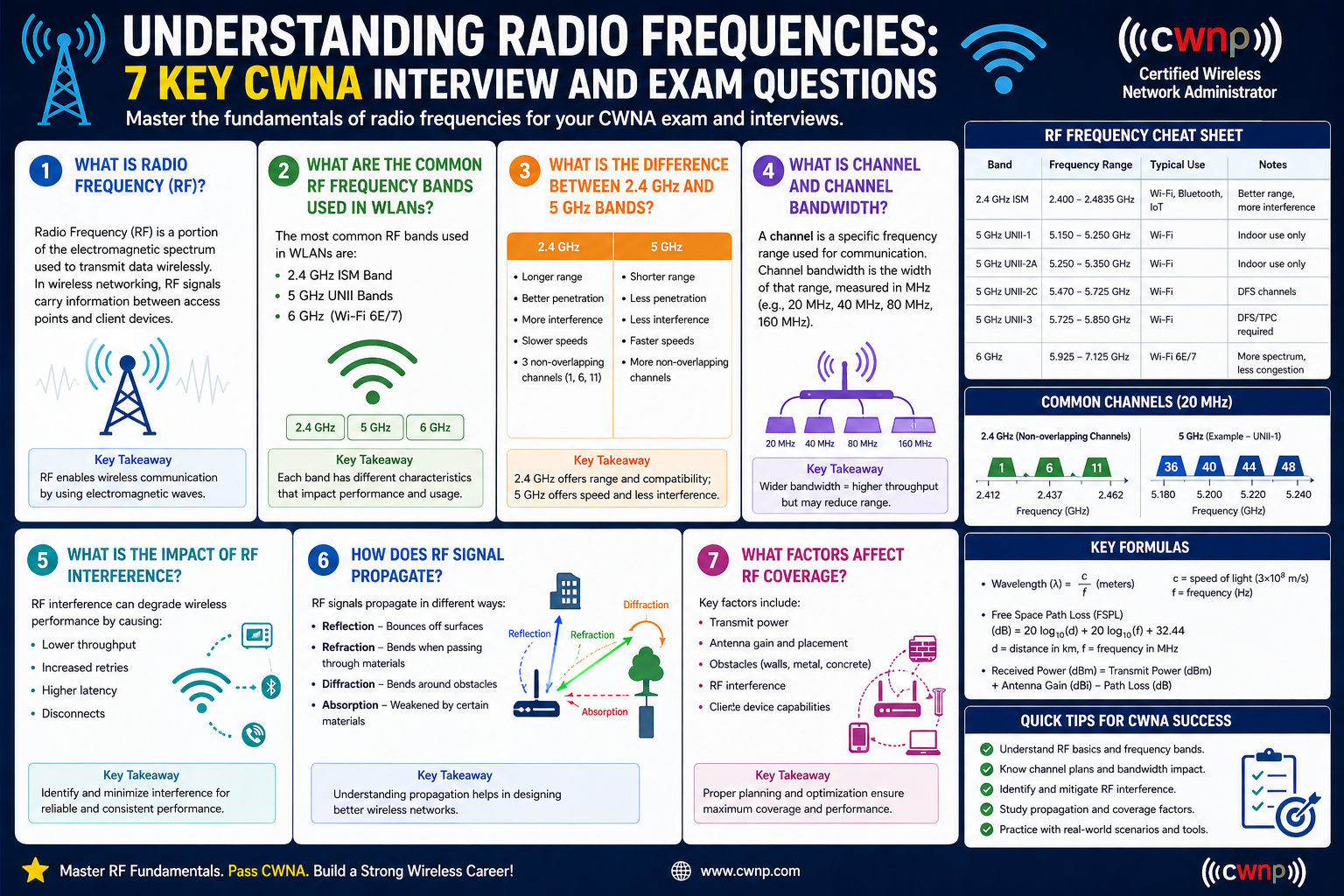
Radio frequency energy is one of the most fundamental building blocks of modern communication, yet it remains invisible in everyday life. It exists all around us, constantly moving through space, carrying information that powers communication systems, navigation tools, and countless wireless devices. At its core, radio frequency energy is a form of electromagnetic energy, meaning it does not rely on physical wires or direct contact to travel from one point to another. Instead, it propagates through space as oscillating electric and magnetic fields that continuously support each other as they move outward from a source.
This type of energy is not unique in isolation; it belongs to a much broader family known as the electromagnetic spectrum. Within this spectrum exist many forms of energy, each distinguished primarily by how fast it oscillates. Some forms carry extremely high energy and short wavelengths, while others move more slowly with longer wavelengths. Radio frequency energy occupies a specific region of this spectrum where oscillations are relatively slow compared to visible light or X-rays, yet still fast enough to carry complex data across long distances.
What makes radio frequency energy particularly important is its ability to encode information. Unlike heat or light that simply transfer energy, radio frequency waves can be shaped, controlled, and manipulated in ways that allow them to represent meaningful data. This ability forms the basis of all wireless communication systems, from simple radio broadcasts to complex cellular networks and internet connectivity.
In practical terms, radio frequency energy behaves like a messenger. It originates from a transmitting device, travels through space, interacts with the environment, and eventually reaches a receiving device that interprets its patterns. This process happens continuously and often in fractions of a second, enabling real-time communication across vast distances without physical connections.
Understanding radio frequency energy requires thinking beyond visible intuition. Since it cannot be seen or touched directly, its behavior must be understood through its effects and measurable properties. These include how often it oscillates, how far it travels, and how much energy it carries as it moves through space. Each of these characteristics plays a role in determining how effectively a signal can be transmitted and received.
Radio frequency energy also demonstrates a key principle of physics: energy does not remain static. As it travels, it interacts with objects, surfaces, and atmospheric conditions. These interactions can weaken, reflect, bend, or scatter the signal, influencing how it is ultimately received. This dynamic behavior is what makes wireless communication both powerful and complex at the same time.
In modern technology, radio frequency energy is carefully engineered rather than left to behave randomly. Engineers design systems that generate specific frequencies, control their power levels, and direct them toward intended destinations. This level of control allows wireless systems to coexist in shared environments without overwhelming one another, even though countless signals are constantly traveling through the same physical space.
The importance of radio frequency energy becomes even more apparent when considering its role in everyday life. From mobile communication to wireless internet access, remote controls, satellite systems, and even certain medical devices, nearly every aspect of modern connectivity relies on controlled radio frequency transmission. Despite its invisibility, it forms the backbone of the global communication infrastructure.
Electromagnetic Waves and Their Behavior in Space
Electromagnetic waves are the physical form through which radio frequency energy travels. These waves consist of oscillating electric fields and magnetic fields that move together through space in a coordinated pattern. Unlike mechanical waves, such as sound, which require a physical medium like air or water, electromagnetic waves can travel through the vacuum of space. This ability is what allows signals to travel from satellites to Earth or across vast distances without any physical connection.
The structure of an electromagnetic wave is defined by its continuous oscillation. As the wave moves forward, the electric field rises and falls in one direction while the magnetic field oscillates perpendicular to it. This perpendicular relationship allows the wave to sustain itself as it propagates, carrying energy forward without needing an external force to keep it moving.
One of the most important characteristics of electromagnetic waves is their speed. In a vacuum, they travel at a constant speed commonly associated with the speed of light. This speed remains consistent regardless of frequency or energy level, meaning all electromagnetic waves propagate at the same fundamental velocity in free space. What differentiates them is not their speed, but their oscillation pattern.
As these waves travel through different environments, their behavior changes. When encountering objects such as buildings, trees, or even atmospheric particles, they may reflect, refract, or scatter. Reflection occurs when a wave bounces off a surface, while refraction happens when it bends as it passes through different materials. Scattering, on the other hand, occurs when the wave is broken into multiple directions due to irregular surfaces or obstacles. These interactions play a significant role in how signals are received in real-world environments.
Electromagnetic waves also demonstrate the principle of energy dispersion. As they move away from their source, the energy spreads over a larger area, causing the signal strength to decrease with distance. This natural spreading effect is one of the primary challenges in wireless communication, as it requires systems to balance power levels with transmission range.
Another important aspect of electromagnetic waves is their ability to carry information through variations in their properties. By adjusting characteristics such as amplitude, frequency, or phase, information can be encoded into the wave. These variations are then interpreted by receiving devices, allowing them to reconstruct the original message.
In wireless communication systems, electromagnetic waves are carefully controlled to ensure reliable transmission. The environment through which they travel is never completely uniform, meaning that signal behavior is always influenced by external factors. This makes understanding wave behavior essential for designing effective communication systems.
Even though electromagnetic waves are invisible, their effects are measurable and consistent. This allows engineers and scientists to predict how they will behave under different conditions. Through careful analysis, it becomes possible to design systems that minimize interference and maximize signal clarity.
Frequency, Wavelength, and the Invisible Spectrum
Frequency and wavelength are two of the most important concepts in understanding radio frequency energy. They describe how electromagnetic waves behave and provide a way to categorize different types of signals within the broader electromagnetic spectrum.
Frequency refers to how many times a wave completes a full oscillation within a given period of time. In simpler terms, it describes how fast the wave is vibrating as it moves through space. A higher frequency means more oscillations occur each second, while a lower frequency means fewer oscillations. This rate of oscillation determines many of the wave’s properties, including its ability to carry information and how it interacts with different environments.
Wavelength, on the other hand, describes the physical distance between two corresponding points on a wave, such as from one peak to the next. It represents how long each cycle of the wave is in space. There is a direct relationship between frequency and wavelength: as frequency increases, wavelength decreases, and vice versa. This inverse relationship is fundamental to understanding how electromagnetic waves are structured.
The electromagnetic spectrum is a continuous range that includes all possible frequencies of electromagnetic radiation. Radio frequency energy occupies a portion of this spectrum where wavelengths are relatively long compared to visible light. This region is especially useful for communication because longer wavelengths can travel greater distances and penetrate obstacles more effectively than higher-frequency waves.
Different frequencies within the radio spectrum are used for different purposes. Lower frequencies tend to travel farther and are less affected by physical obstacles, making them suitable for long-distance communication. Higher frequencies, while capable of carrying more data, often have shorter range and are more sensitive to environmental interference.
The choice of frequency in any communication system is therefore a balance between range, data capacity, and environmental conditions. Engineers must carefully select frequency ranges based on the intended application, whether it involves broadcasting over large areas or transmitting high-speed data over shorter distances.
Wavelength also influences how waves interact with objects. When a wave encounters an obstacle that is similar in size to its wavelength, it may bend around it or be absorbed. This is why different frequencies behave differently in indoor and outdoor environments. Larger wavelengths tend to navigate obstacles more easily, while smaller wavelengths may be blocked or weakened.
Understanding frequency and wavelength is essential for interpreting how wireless systems function. These two properties define not only the physical structure of a wave but also its practical behavior in real-world conditions. They determine how far a signal can travel, how much information it can carry, and how it will perform in different environments.
How Radio Waves Carry Information Through Modulation
Radio waves, on their own, are simply patterns of energy moving through space. To make them useful for communication, these waves must be modified in a way that allows them to carry information. This process is known as modulation, and it forms the foundation of all wireless data transmission.
Modulation involves altering specific characteristics of a radio wave in a controlled manner. These characteristics can include amplitude, frequency, or phase. By changing these properties according to a structured pattern, information such as voice, video, or digital data can be encoded into the wave. The receiving system then interprets these changes and reconstructs the original information.
One of the simplest ways to understand modulation is to imagine a wave as a carrier of information. The wave itself provides the medium, while the variations applied to it represent the message. Without modulation, the wave would remain a constant signal with no meaningful content.
Amplitude changes refer to variations in the strength or height of the wave. By increasing or decreasing the amplitude in a specific pattern, information can be encoded. Frequency changes involve altering how fast the wave oscillates, while phase changes involve shifting the timing of the wave’s cycle. Each method offers different advantages depending on the type of communication system being used.
The process of modulation is essential because it allows multiple signals to coexist within the same physical space. Without it, wireless communication would be chaotic, with every signal interfering with every other signal. By assigning unique modulation patterns, systems can distinguish between different transmissions even when they share the same environment.
At the receiving end, a process called demodulation occurs. This is where the modified wave is analyzed, and the original information is extracted. The accuracy of this process determines how clearly the message is received. Any distortion or interference during transmission can affect the quality of the recovered data.
Modulation also allows radio waves to be adapted for different distances and environments. Some modulation techniques are better suited for long-range communication, while others are optimized for high-speed data transfer. This flexibility is one of the key reasons wireless communication systems can support such a wide range of applications.
The ability to carry information through modulation is what transforms radio waves from simple energy patterns into powerful communication tools. It enables devices to send and receive complex data across vast distances without physical connections, forming the foundation of modern wireless technology.
The Core Components of Wireless Communication Systems
Wireless communication systems rely on a basic structure that enables the transmission and reception of radio frequency signals. At the most fundamental level, every system consists of three essential components: a transmitter, a communication channel, and a receiver.
The transmitter is responsible for generating the original signal and converting it into a form suitable for wireless transmission. This involves taking information, such as voice or data, and encoding it onto a radio wave through modulation. Once the signal is prepared, the transmitter releases it into space through an antenna, allowing it to propagate outward.
The communication channel is the medium through which the signal travels. In wireless systems, this is typically the air or free space between the transmitter and receiver. However, this channel is not empty or uniform. It contains various environmental factors such as buildings, atmospheric conditions, and physical obstacles that can influence how the signal behaves as it moves.
The receiver is the component that captures the transmitted signal and converts it back into usable information. It uses an antenna to detect the incoming radio waves and then processes them to extract the original data. This process requires careful interpretation of the signal, especially when it has been weakened or distorted during transmission.
Each of these components plays a critical role in ensuring successful communication. The transmitter must generate a strong and clear signal, the channel must allow the signal to travel effectively, and the receiver must accurately interpret the incoming information. If any part of this system is disrupted, the quality of communication can be affected.
Wireless communication systems are designed to work continuously, often handling multiple signals at the same time. This requires careful coordination to ensure that signals do not interfere with each other. Despite sharing the same physical space, different communication systems can operate independently by using different frequencies and modulation techniques.
The interaction between these components forms the foundation of all wireless networks. Whether in simple devices or complex global systems, the same basic structure is always present. Understanding these components provides a clear view of how wireless communication functions at its core.
Propagation of Radio Waves in Real Environments
Radio wave propagation refers to how electromagnetic waves travel through space and interact with their surroundings. In an ideal environment, radio waves would travel in straight lines without interference. However, in real-world conditions, the environment plays a significant role in shaping how signals behave.
As radio waves move away from their source, they spread out in all directions. This spreading effect reduces the strength of the signal over distance. The farther a wave travels, the more its energy becomes distributed, making it weaker when it reaches the receiver.
In addition to spreading, radio waves encounter various obstacles that affect their path. When a wave hits a surface, it may be reflected in a different direction. This reflection can create multiple versions of the same signal arriving at different times, which may affect clarity. In other cases, waves may pass through materials but become weakened or distorted.
The environment also causes diffraction, where waves bend around obstacles. This allows signals to reach areas that are not in direct line of sight with the transmitter. Diffraction is especially important in urban environments where buildings frequently block direct paths.
Another important factor is absorption. Certain materials can absorb radio frequency energy, converting it into other forms such as heat. This reduces the strength of the signal and can limit its range. Different materials have different levels of absorption, meaning the environment significantly influences signal behavior.
Weather conditions and atmospheric changes can also affect propagation. Variations in humidity, temperature, and air pressure can alter how waves travel. These changes are often subtle but can become significant in long-distance communication systems.
The combination of these effects makes radio wave propagation highly dynamic. No two environments are the same, meaning signals must constantly adapt to changing conditions. This variability is one of the key challenges in designing reliable wireless communication systems.
Signal Strength, Power, and the Role of Basic Measurement Concepts
Signal strength represents the level of energy carried by a radio wave as it travels from transmitter to receiver. It is one of the most important factors in determining the quality of wireless communication. Stronger signals generally provide clearer and more reliable connections, while weaker signals may result in reduced performance or loss of data.
Signal power is the amount of energy transmitted or received within a given time. It is often measured in units that represent small or large variations in energy levels. Because radio frequency systems deal with extremely small and large values, specialized measurement approaches are used to describe changes in signal power effectively.
One of the key concepts in understanding signal strength is that energy decreases as distance increases. As a signal travels, it spreads out and interacts with the environment, causing a gradual loss of power. This natural reduction must be accounted for in all wireless systems.
Measurement of signal strength allows engineers to evaluate system performance and make adjustments where necessary. By analyzing how much power is transmitted and how much is received, it becomes possible to identify losses and optimize system design.
These measurements are essential for ensuring that communication systems function reliably. Without an accurate understanding of signal strength and power levels, it would be impossible to maintain stable wireless connections across varying distances and environments.
The Nature of Signal Loss and Attenuation in Wireless Communication
Signal loss is one of the most important challenges in wireless communication systems. As radio frequency energy travels from a transmitter toward a receiver, it does not remain constant. Instead, it gradually weakens due to a process known as attenuation. This reduction in signal strength occurs naturally as energy spreads across space, but it is also influenced by environmental factors and physical obstacles.
Attenuation begins the moment a signal leaves its source. Since electromagnetic waves propagate outward in all directions, the same amount of energy becomes distributed over an increasingly larger area. This spreading effect reduces the concentration of energy in any given location, which is why signals become weaker over distance, even in open environments. The further a signal travels, the more diluted it becomes.
However, distance is only one part of the attenuation process. In real-world environments, radio frequency signals encounter various materials and surfaces that affect their strength. When a signal passes through walls, glass, or other objects, some of its energy is absorbed or reflected. Absorption converts part of the signal’s energy into other forms, such as heat, while reflection redirects the wave in different directions. Both effects contribute to overall signal loss.
Another important factor in attenuation is scattering. When radio waves encounter irregular surfaces or small particles in the air, they are dispersed in multiple directions. This scattering reduces the amount of energy that reaches the intended receiver and can introduce inconsistencies in signal quality.
Different frequencies experience attenuation in different ways. Lower-frequency signals tend to travel farther and penetrate obstacles more effectively, while higher-frequency signals often experience greater loss when encountering physical barriers. This difference is due to the relationship between wavelength and object size. Longer wavelengths can pass around obstacles more easily, while shorter wavelengths are more likely to be absorbed or blocked.
Attenuation is not always undesirable in wireless communication. In some cases, controlled signal loss is necessary to prevent interference between nearby systems. By carefully managing power levels and understanding how signals weaken over distance, engineers can design systems that operate efficiently within shared environments.
Environmental conditions also play a role in attenuation. Factors such as humidity, temperature, and atmospheric pressure can slightly alter how radio waves behave. While these effects may seem minor, they can become significant in long-distance communication systems where even small changes in signal strength can impact performance.
Understanding attenuation is essential for designing reliable wireless networks. Without accounting for signal loss, communication systems would fail to maintain consistent performance across different environments. By studying how signals weaken and what factors influence this process, engineers can develop strategies to maintain strong and stable connections.
Interference and Its Impact on Radio Frequency Signals
Interference is a major factor that affects the quality and reliability of wireless communication. It occurs when unwanted radio frequency energy disrupts or overlaps with a desired signal, making it more difficult for the receiver to accurately interpret the transmitted information. Interference can come from many sources, both natural and artificial, and its effects can range from minor signal distortion to complete communication failure.
One of the most common types of interference occurs when multiple devices operate on similar or overlapping frequencies. In crowded wireless environments, such as urban areas or densely populated networks, many signals may coexist in the same space. When these signals overlap, they can combine in ways that distort the original information being transmitted.
Interference can also be caused by physical objects in the environment. Buildings, machinery, and even natural terrain can reflect or scatter radio waves, creating multiple versions of the same signal that arrive at the receiver at slightly different times. This phenomenon can lead to signal distortion, especially when the overlapping signals interfere destructively with each other.
Electronic devices are another significant source of interference. Many common household and industrial devices generate electromagnetic energy as a byproduct of their operation. This unintended energy can interfere with nearby wireless signals, especially if they operate on similar frequencies. Even devices that are not designed for communication can contribute to the overall noise in a wireless environment.
Interference is not always constant. It can vary depending on location, time, and environmental conditions. For example, a wireless network may experience stronger interference during peak usage hours when more devices are active. Similarly, certain physical conditions may amplify or reduce the effects of interference.
The impact of interference depends on the strength of the desired signal relative to the unwanted noise. When the desired signal is significantly stronger, interference may have little noticeable effect. However, when signal strength is weak or interference is strong, communication quality can degrade significantly.
Wireless systems are designed to minimize the effects of interference through careful frequency selection and signal management. By using specific frequency ranges and separating communication channels, systems can reduce the likelihood of overlapping signals. However, complete elimination of interference is not possible, as wireless environments are inherently shared and dynamic.
Understanding interference is essential for maintaining reliable communication systems. It highlights the importance of managing signal environments and designing systems that can adapt to changing conditions.
Noise and the Background Environment of RF Systems
Noise in radio frequency systems refers to any unwanted electrical or electromagnetic energy that interferes with the transmission or reception of signals. Unlike intentional communication signals, noise is random and unpredictable, making it difficult to eliminate. It exists in all environments where wireless communication occurs and plays a significant role in determining signal quality.
Noise can originate from many different sources. Some noise is generated naturally by the environment, while other forms are produced by electronic devices and systems. Regardless of its source, noise adds unwanted energy to the communication channel, making it harder for receivers to distinguish meaningful signals from background activity.
One of the most common types of noise is thermal noise, which is caused by the natural movement of electrons in materials. As the temperature increases, the movement of these particles becomes more active, generating small fluctuations in electrical energy. This type of noise is present in all electronic systems and cannot be eliminated.
Another form of noise is shot noise, which arises from the discrete nature of electrical charge. Since electrical current is made up of individual particles, small variations naturally occur as these particles move through a system. These variations create random fluctuations in signal strength.
Environmental noise can also be introduced by external sources such as industrial equipment, power lines, and electronic devices. These sources generate electromagnetic energy that can overlap with communication signals, contributing to overall noise levels in the system.
Noise affects wireless communication by reducing the clarity of received signals. When noise levels are high relative to the desired signal, it becomes more difficult to accurately interpret the transmitted information. This relationship between signal strength and noise is critical in determining the quality of communication.
In order to maintain reliable communication, systems must be designed to minimize the impact of noise. This can involve increasing signal strength, improving receiver sensitivity, or using techniques that separate signal information from background interference. However, since noise is always present to some degree, complete elimination is not possible.
The presence of noise also influences how communication systems are evaluated. Rather than focusing solely on signal strength, engineers often consider the relationship between signal and noise levels. This comparison provides a more accurate understanding of system performance in real-world conditions.
Noise is an unavoidable part of wireless communication, but it does not prevent communication from occurring. Instead, systems are designed to operate effectively even in the presence of background noise, ensuring that meaningful information can still be extracted from complex signal environments.
Signal-to-Noise Relationship and Communication Quality
The relationship between signal strength and noise level is one of the most important factors in determining the quality of wireless communication. This relationship describes how clearly a signal can be distinguished from unwanted background energy. When the desired signal is significantly stronger than the noise, communication is clear and reliable. When noise levels approach or exceed signal strength, communication becomes unstable or unusable.
This relationship is not determined by absolute values alone but by comparison. A strong signal in a noisy environment may still perform poorly, while a weaker signal in a quiet environment may perform well. This makes the balance between signal and noise more important than either factor individually.
Wireless systems are designed to maximize this balance by ensuring that signal strength remains sufficiently higher than background noise. This involves careful control of transmission power, receiver sensitivity, and environmental conditions. By optimizing these factors, systems can maintain effective communication even in challenging environments.
The signal-to-noise relationship also affects data accuracy. When noise interferes with a signal, it can distort the information being transmitted. This may result in errors during data interpretation, requiring additional processing or retransmission of information. In severe cases, communication may fail.
Environmental conditions can influence this relationship significantly. In crowded wireless environments, multiple signals may contribute to overall noise levels, reducing the clarity of individual transmissions. In such cases, careful system design is required to maintain separation between signals.
Understanding the balance between signal and noise is essential for evaluating wireless performance. It provides insight into how well a system can operate under real-world conditions, where ideal environments rarely exist.
Frequency Bands and Their Role in Wireless Systems
Frequency bands are defined ranges within the radio spectrum that are allocated for specific types of communication. These bands are created to organize the use of radio frequency energy and prevent interference between different systems. Each band represents a segment of frequencies that share similar characteristics and are suited for particular applications.
The allocation of frequency bands is based on the behavior of electromagnetic waves within different frequency ranges. Lower frequency bands tend to have longer wavelengths, which allow them to travel farther and penetrate obstacles more effectively. These characteristics make them suitable for long-distance communication and environments with physical barriers.
Higher frequency bands, on the other hand, have shorter wavelengths and can carry more data within a given period of time. However, they are more sensitive to environmental conditions and generally have a shorter range. These properties make them ideal for high-speed communication over shorter distances.
Each frequency band has its own set of advantages and limitations. The choice of band depends on the requirements of the communication system, including range, data capacity, and environmental conditions. By selecting appropriate frequency ranges, systems can achieve a balance between performance and reliability.
Within each frequency band, signals are further divided into channels. These channels allow multiple communication streams to exist within the same band without interfering with each other. Channelization helps organize wireless communication and ensures efficient use of available spectrum.
The structure of frequency bands and channels provides the foundation for modern wireless systems. It allows multiple technologies to operate simultaneously within shared environments while minimizing interference and maintaining communication quality.
Practical Behavior of Radio Waves in Everyday Environments
In real-world environments, radio waves behave in complex and often unpredictable ways. Unlike controlled laboratory conditions, everyday environments contain numerous obstacles, surfaces, and sources of interference that influence how signals travel.
When a radio wave is transmitted, it does not follow a single straight path. Instead, it spreads outward and interacts with its surroundings. Some portions of the signal may travel directly to the receiver, while others may reflect off surfaces or pass through materials before reaching the same destination. These multiple paths can cause variations in signal timing and strength.
Indoor environments present particularly complex challenges for radio wave propagation. Walls, furniture, and electronic devices all contribute to signal reflection and absorption. As a result, signals may become weaker or distorted as they move through enclosed spaces.
Outdoor environments also present challenges, although they are often different in nature. Buildings, trees, and terrain features can block or redirect signals, affecting coverage and reliability. Atmospheric conditions such as rain or humidity can also influence signal behavior over longer distances.
Despite these challenges, wireless communication systems are designed to adapt to changing environments. By accounting for reflection, absorption, and scattering, engineers can design systems that maintain reliable performance across a wide range of conditions.
The behavior of radio waves in everyday environments highlights the complexity of wireless communication. It demonstrates that while the underlying principles of electromagnetic waves are consistent, their real-world behavior is influenced by countless variables that must be carefully managed in system design.
Wireless Channels and How Information Moves Through the Air
A wireless channel is the medium through which radio frequency signals travel from a transmitter to a receiver. Unlike wired communication, where signals move through a fixed physical path like a cable, a wireless channel is open, dynamic, and constantly changing. It is essentially the portion of space between devices where electromagnetic waves propagate, interact with the environment, and eventually reach their destination.
The behavior of a wireless channel is never uniform. Even when two devices remain in the same location, the characteristics of the channel can change due to movement in the environment, atmospheric variations, or the presence of new obstacles. This makes wireless communication inherently more complex than wired communication, where the physical path remains stable.
As a signal travels through a wireless channel, it is affected by several physical phenomena. One of the most important is multipath propagation. This occurs when a transmitted signal takes multiple paths to reach the receiver. Some portions of the signal may travel directly, while others reflect off buildings, walls, or other objects. These multiple signals may arrive at slightly different times, causing variations in signal strength and quality.
Another important characteristic of wireless channels is fading. Fading refers to fluctuations in signal strength over time or distance. These fluctuations can occur when signals interfere with each other constructively or destructively. Constructive interference strengthens the signal, while destructive interference weakens it. This creates an environment where signal quality can change rapidly even within short distances.
Wireless channels are also influenced by attenuation, which is the gradual loss of signal strength as it travels. This loss occurs due to the spreading of energy, absorption by materials, and scattering caused by irregular surfaces. The combination of these effects determines how far and how clearly a signal can travel.
In addition, wireless channels are affected by noise and interference. Noise adds unwanted energy to the channel, while interference comes from other signals operating in the same or nearby frequencies. Together, these factors reduce the clarity of communication and must be managed to maintain reliable connectivity.
The study of wireless channels is essential because it helps explain why wireless communication behaves differently in different environments. A signal that performs well in an open space may struggle in an indoor environment due to reflections, obstacles, and interference. Understanding these variations allows systems to be designed with greater reliability and adaptability.
Antennas and Their Role in Signal Transmission
Antennas are essential components in any wireless communication system. They serve as the interface between electrical signals within a device and electromagnetic waves that travel through space. Without antennas, it would not be possible to convert electrical energy into radio frequency energy or vice versa.
When a transmitter sends a signal, the antenna converts the electrical energy into a radiating electromagnetic wave. This wave then propagates outward through the wireless channel. On the receiving side, the antenna performs the reverse function by capturing incoming electromagnetic waves and converting them back into electrical signals that can be processed by the device.
The design and shape of an antenna significantly influence how it performs. Different antenna types are engineered to focus energy in specific directions or spread it evenly across space. Directional antennas concentrate energy into a narrow beam, allowing for long-distance communication in a specific direction. In contrast, omnidirectional antennas distribute energy more evenly, enabling communication in all directions around the device.
The efficiency of an antenna also affects signal strength. A well-designed antenna can transmit or receive more energy with less loss, improving overall communication quality. Antenna performance is often measured in terms of gain, which represents how effectively it directs energy compared to a reference model.
Placement of antennas is equally important. Environmental factors such as height, orientation, and surrounding objects can all influence how well an antenna performs. For example, obstacles nearby can block or reflect signals, reducing efficiency. Proper positioning helps minimize these effects and improves coverage.
Antennas also play a role in determining the coverage area of a wireless system. By adjusting their design and configuration, engineers can control how far and in what direction signals travel. This makes antennas a critical part of network planning and optimization.
In modern wireless systems, multiple antennas may be used together to improve performance. This allows for techniques that enhance signal reliability and increase data transmission capacity. Even though antennas may appear simple, they are highly engineered components that directly influence communication quality.
Conclusion
Radio frequency communication represents one of the most influential technological foundations of the modern world, shaping how information is shared, processed, and experienced across nearly every aspect of daily life. What appears at first to be an invisible and abstract concept is, in reality, a carefully structured system governed by consistent physical principles. These principles define how electromagnetic waves are generated, how they travel through space, and how they ultimately deliver information from one point to another.
At the heart of this system is the behavior of electromagnetic waves, which act as carriers of energy and information without requiring physical connections. Their ability to propagate through air and even through the vacuum of space makes them uniquely suited for wireless communication. The relationship between frequency, wavelength, and energy determines how these waves behave in different environments, influencing everything from range to data capacity and penetration ability.
As these waves move through space, they encounter a wide variety of real-world conditions that shape their performance. Reflection, refraction, scattering, and absorption all contribute to how signals weaken or change as they travel. This interaction with the environment is what makes wireless communication both powerful and complex, as no two transmission paths are ever the same. Each signal must adapt to the conditions it encounters, whether in open outdoor spaces or densely built indoor environments.
The process of modulation transforms simple electromagnetic waves into carriers of meaningful information. By altering characteristics such as amplitude, frequency, or phase, data can be encoded and later recovered at the receiving end. This ability to embed information within a wave is what enables technologies like mobile communication, wireless internet, satellite systems, and countless other applications that depend on seamless data transfer.
However, the effectiveness of these systems is not solely determined by signal generation. Factors such as attenuation, interference, and noise constantly influence the quality of communication. Signal strength naturally decreases over distance, while environmental and electronic factors introduce unwanted disruptions. Managing these challenges requires careful system design and a deep understanding of how radio frequency energy behaves under different conditions.
Wireless channels serve as the unpredictable medium through which signals travel, constantly shaped by physical surroundings and environmental changes. Antennas provide the essential bridge between electrical signals and electromagnetic waves, enabling transmission and reception across space. Their design and placement directly affect how efficiently communication occurs, highlighting the importance of engineering precision in wireless systems.
Underlying all of this is the structure provided by wireless standards, which ensures that devices can communicate effectively within shared frequency spaces. These standards create order in an otherwise complex and crowded electromagnetic environment, allowing billions of devices to operate simultaneously without overwhelming interference.
Together, these elements form a highly interconnected system that powers modern communication. From the simplest wireless device to the most advanced global network, every component relies on the same fundamental principles of radio frequency behavior. Understanding these principles provides a clearer view of how invisible waves shape the visible world of technology, enabling constant connectivity in an increasingly digital society.