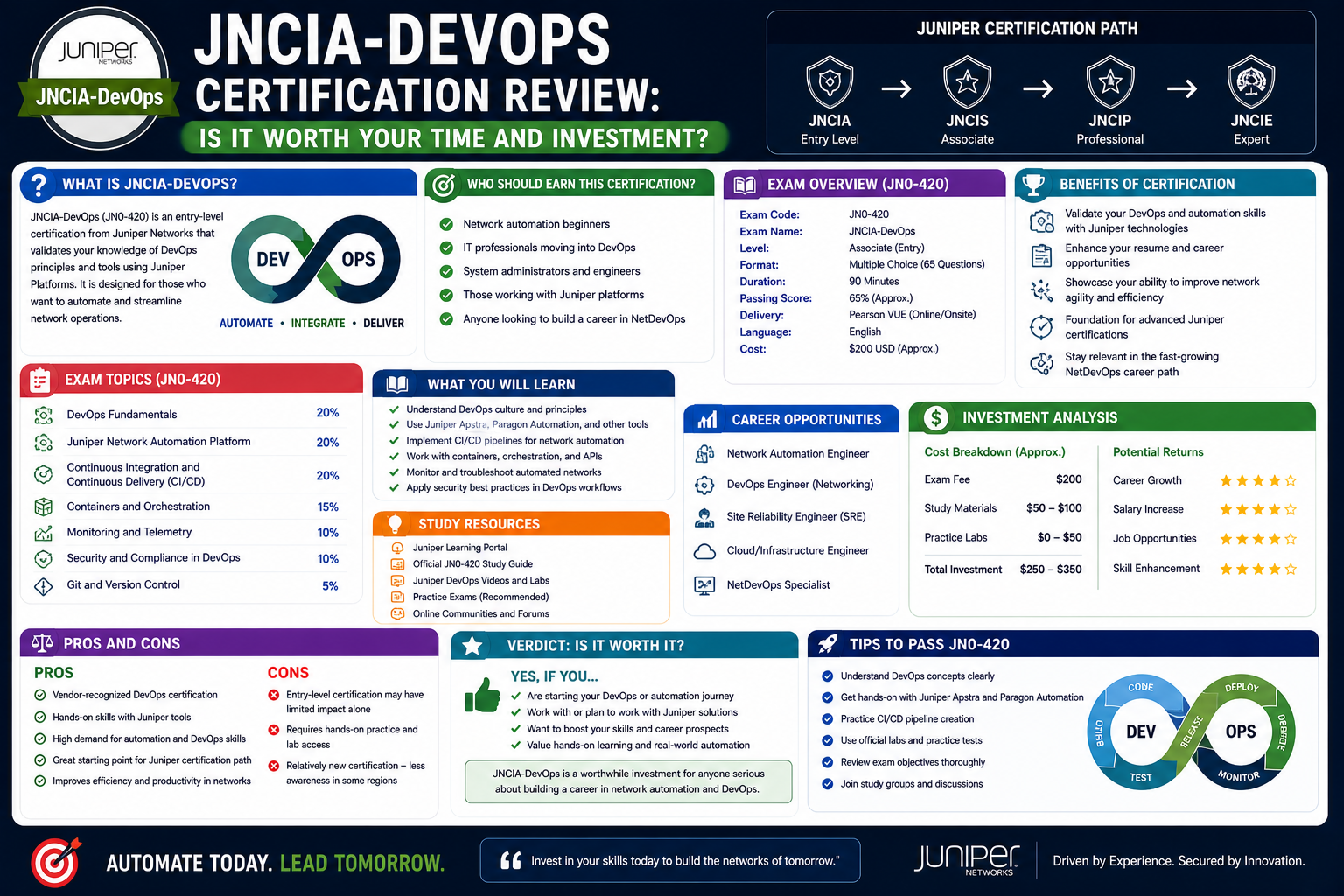
Over the past decade, the way organizations build, deploy, and manage software has changed dramatically. Traditional IT environments once relied on clearly separated teams: developers wrote code, while operations teams managed infrastructure, handled deployments, and ensured system stability. This separation often created friction, slower release cycles, and communication gaps that affected productivity and innovation.
DevOps emerged as a response to these challenges, introducing a more integrated approach where development and operations teams collaborate closely throughout the entire software lifecycle. Instead of working in isolated stages, teams now share responsibility for building, testing, deploying, and maintaining applications.
This shift was not only cultural but also technological. Automation became a central pillar, enabling repetitive tasks such as configuration management, system provisioning, and deployment to be handled by scripts and tools rather than manual processes. As organizations adopted cloud computing, containerization, and infrastructure-as-code practices, DevOps evolved into a foundational strategy for modern IT operations.
Today, DevOps is no longer viewed as a niche methodology. It is a standard approach in many enterprises that aim to deliver software faster while maintaining reliability and scalability. The growing demand for continuous integration and continuous delivery pipelines has further reinforced its importance in both small and large organizations.
Core Principles That Define DevOps Practices
At its core, DevOps is built on a few fundamental principles that guide how teams operate and interact. One of the most important principles is collaboration. Instead of working in silos, teams share responsibilities and align their goals. This helps reduce delays caused by miscommunication and ensures that everyone is working toward a common objective.
Another key principle is automation. In modern IT environments, manual processes are often inefficient and prone to errors. Automation allows organizations to streamline workflows such as software deployment, system monitoring, and configuration management. This not only improves speed but also enhances consistency and reliability across environments.
Continuous feedback is also essential in DevOps environments. Systems are designed to provide real-time insights into performance, errors, and user behavior. This feedback loop enables teams to make quick adjustments, fix issues faster, and improve overall system quality.
Scalability and resilience are also central to DevOps thinking. Systems must be designed to handle increasing workloads without compromising performance. This often involves distributed architectures, cloud-based resources, and automated scaling mechanisms that adjust to demand.
Finally, DevOps encourages a culture of shared responsibility. Instead of assigning blame when issues arise, teams focus on identifying root causes and improving processes to prevent future problems. This cultural shift is often one of the most challenging yet impactful aspects of DevOps adoption.
Why DevOps Skills Are in High Demand
As organizations continue to modernize their IT infrastructure, the demand for professionals who understand DevOps principles has grown significantly. Companies are under pressure to release software faster, respond to market changes quickly, and maintain high availability for digital services. These expectations require teams that are skilled in both development and operational disciplines.
DevOps professionals are expected to bridge the gap between software engineering and infrastructure management. They must understand coding principles, system architecture, networking fundamentals, and automation tools. This combination of skills makes them highly valuable in enterprise environments.
Cloud adoption has also contributed to this demand. As more organizations migrate to cloud platforms, the need for professionals who can manage dynamic, scalable environments has increased. DevOps engineers play a critical role in designing and maintaining cloud-native systems, ensuring that applications run efficiently across distributed environments.
Another factor driving demand is the rise of microservices architecture. Instead of building large monolithic applications, modern systems are often composed of smaller, independent services. Managing these services requires advanced deployment strategies, orchestration tools, and monitoring systems—all of which fall under the DevOps domain.
The Intersection of Networking and DevOps
While DevOps is often associated with software development, its impact on networking is equally significant. Modern networks are no longer static infrastructures managed manually through device-by-device configuration. Instead, they are dynamic systems that require automation, programmability, and real-time management.
This shift has given rise to network automation, a field that applies DevOps principles to networking environments. Network engineers now use scripting languages, APIs, and automation frameworks to manage devices, configure services, and troubleshoot issues. This reduces manual workload and improves the speed and accuracy of network operations.
In this context, networking vendors have adapted by introducing certifications and tools that align with DevOps practices. These certifications are designed to validate skills in automation, scripting, and integration of networking systems with modern DevOps workflows.
One such certification is the JNCIA-DevOps, which focuses on the automation capabilities within a specific networking ecosystem. It represents a bridge between traditional networking knowledge and modern DevOps practices, making it relevant for professionals who work with programmable network infrastructure.
Introduction to JNCIA-DevOps Within the Certification Landscape
The JNCIA-DevOps certification sits at the foundational level of a broader automation and DevOps track. It is designed to validate an individual’s understanding of automation tools, scripting concepts, and network programmability within a specific operating environment.
Unlike advanced certifications that require deep expertise, this entry-level credential focuses on fundamental concepts. It is intended for individuals who are beginning to explore automation or those who already have some experience in networking but want to expand into DevOps-oriented roles.
What makes this certification particularly relevant is its emphasis on real-world automation scenarios. Instead of focusing purely on theory, it introduces practical concepts such as using APIs to interact with network devices, writing scripts to automate tasks, and understanding structured data formats used in system communication.
The certification also reflects a broader industry trend: the convergence of networking and software development. As networks become more programmable, professionals are expected to understand both infrastructure and code-based automation techniques.
Understanding the Skill Areas Behind JNCIA-DevOps
The knowledge areas associated with JNCIA-DevOps reflect the core technologies used in modern network automation. One of the key areas is scripting and programming, particularly using languages commonly applied in automation tasks. These languages allow engineers to write instructions that control network devices, retrieve configuration data, and perform repetitive tasks efficiently.
Another important area is data representation. Modern systems rely on structured data formats to exchange information between applications and devices. Understanding how these formats work is essential for automation, as they enable systems to communicate in a standardized way.
Network management protocols also play a significant role. These protocols allow software systems to interact with network devices programmatically, rather than through manual configuration interfaces. This enables centralized control and automation of large-scale infrastructures.
Automation frameworks are another critical component. These frameworks provide pre-built tools and modules that simplify the process of managing complex systems. Instead of writing everything from scratch, engineers can leverage existing frameworks to accelerate development and deployment.
Finally, the certification emphasizes DevOps principles such as collaboration, continuous improvement, and workflow automation. These principles help ensure that technical skills are applied effectively within organizational environments.
The Shift from Traditional Networking to Automated Infrastructure
Traditional networking relied heavily on manual configuration. Engineers would log into devices individually, apply configuration changes, and troubleshoot issues using command-line interfaces. While effective in smaller environments, this approach becomes inefficient and error-prone at scale.
As organizations grew and networks became more complex, the limitations of manual management became increasingly apparent. Even small configuration errors could lead to outages or performance issues. Additionally, managing hundreds or thousands of devices manually required significant time and effort.
Automation addressed these challenges by introducing programmable interfaces and scripting capabilities. Instead of configuring devices one by one, engineers can now define desired states and allow automation tools to apply changes across the entire network.
This transition has fundamentally changed the role of network engineers. They are no longer solely focused on manual configuration but are increasingly responsible for designing automation workflows and integrating systems using code-based approaches.
How DevOps Culture Influences Networking Roles
The adoption of DevOps practices has significantly influenced how networking teams operate. One of the most noticeable changes is the shift toward collaboration between traditionally separate roles. Network engineers now work more closely with developers and system administrators to ensure that infrastructure aligns with application requirements.
This collaboration helps reduce deployment delays and improves system reliability. For example, when a new application is deployed, networking configurations can be automatically adjusted to support it, rather than requiring manual intervention.
Another cultural shift is the emphasis on continuous improvement. Instead of treating network configurations as static, teams continuously monitor performance and make adjustments based on real-time data. This approach helps organizations respond more quickly to issues and optimize system performance over time.
Automation also encourages a more proactive mindset. Rather than reacting to problems after they occur, teams design systems that prevent issues from happening in the first place. This includes implementing automated monitoring, self-healing systems, and predictive analytics.
The Relevance of Entry-Level DevOps Certifications in Modern Careers
Entry-level certifications in DevOps and automation serve an important purpose in career development. They provide structured learning paths for individuals who are transitioning into more technical or specialized roles. For many professionals, especially those with a background in traditional IT or networking, these certifications act as a bridge into modern infrastructure practices.
They also help standardize foundational knowledge. Because DevOps covers a wide range of tools and concepts, structured certifications ensure that professionals understand key principles such as automation workflows, system integration, and data handling.
In addition, these certifications demonstrate a willingness to adapt to industry changes. As organizations continue to modernize their infrastructure, employers increasingly value candidates who are familiar with automation tools and DevOps methodologies.
Growing Importance of Automation in Enterprise Systems
Automation has become one of the most critical components of modern IT operations. It reduces human error, improves efficiency, and allows organizations to scale their systems more effectively. In large enterprise environments, automation is often the only practical way to manage complex infrastructures.
This includes tasks such as provisioning new servers, deploying applications, updating configurations, and monitoring system health. By automating these processes, organizations can ensure consistency and reduce operational overhead.
Automation also plays a key role in disaster recovery and system resilience. Automated systems can detect failures and respond immediately, reducing downtime and minimizing impact on users.
As automation continues to evolve, its integration with DevOps practices becomes even more important. Together, they create a framework that supports rapid development, reliable deployment, and efficient system management across diverse environments.
The Foundation of Junos-Based Automation in Modern Networks
Modern network environments have become increasingly programmable, and at the center of this transformation is the idea that network devices should behave more like software systems than static hardware components. In traditional setups, network devices were configured individually using command-line interfaces, and any change required manual intervention. This approach worked when networks were small, but it quickly became unsustainable as infrastructures expanded.
In response to this challenge, vendor ecosystems began introducing automation capabilities directly into their operating systems. One such environment is Junos, a network operating system designed with programmability and automation in mind from the ground up. Unlike older systems that treated automation as an add-on, Junos integrates structured data models, APIs, and scripting support as core features.
Within this environment, the JNCIA-DevOps certification focuses on how professionals interact with these automation capabilities. Rather than teaching only traditional networking concepts, it emphasizes how engineers can control and manage network devices programmatically. This shift reflects a broader industry trend where infrastructure is no longer configured manually but defined and managed through code.
Understanding this foundation is essential because it changes the role of a network professional. Instead of simply applying configuration commands, engineers are now expected to think in terms of workflows, data structures, and automation logic that can scale across large environments.
How DevOps Principles Are Applied to Network Engineering
DevOps principles are not limited to software development teams; they extend deeply into infrastructure and networking environments. In fact, network automation is one of the most practical applications of DevOps thinking. The same principles that guide application development—such as continuous integration, automation, and shared responsibility—also apply to network systems.
One of the key ideas is treating infrastructure as code. This means that network configurations are defined in files or scripts rather than being manually entered into devices. These definitions can be version-controlled, reviewed, and tested before deployment, just like software code.
Another important principle is continuous delivery. In a DevOps-driven network environment, changes are not made in large, infrequent updates. Instead, small and incremental changes are continuously applied and validated. This reduces risk and makes it easier to identify and fix issues.
Monitoring and feedback loops are also critical. Automated systems constantly collect data about network performance, errors, and usage patterns. This information is used to improve configurations and optimize performance over time.
The combination of these principles transforms networking from a reactive discipline into a proactive and adaptive system. Engineers no longer wait for problems to occur; instead, they design systems that continuously improve themselves through automation and feedback.
Understanding the Role of XML and NETCONF in Network Communication
One of the key technologies that supports network automation is structured data exchange. In traditional networking, communication between systems often relied on unstructured or semi-structured data formats. However, automation requires a more consistent and machine-readable approach.
XML plays a significant role in this context. It provides a structured way to represent configuration and operational data. Because XML follows strict rules, it allows systems to reliably interpret and exchange information.
Building on top of XML is NETCONF, a network management protocol designed specifically for configuration and state management. NETCONF allows systems to interact with network devices in a standardized way, enabling automation tools to retrieve configurations, apply changes, and monitor system states.
Instead of manually logging into a device and entering commands, engineers can use NETCONF to send structured requests that the device interprets programmatically. This significantly reduces complexity and increases reliability in large-scale environments.
The importance of these technologies lies in their ability to bridge the gap between human-readable configurations and machine-executable instructions. They form the communication layer that enables automation tools to function effectively across diverse network environments.
The Importance of Data Serialization in Automation Workflows
Automation systems rely heavily on data exchange, and one of the most critical aspects of this exchange is data serialization. Serialization refers to the process of converting data structures into a format that can be easily transmitted and reconstructed by different systems.
In network automation, two of the most commonly used serialization formats are JSON and YAML. These formats are widely adopted because they are both human-readable and machine-friendly, making them ideal for configuration management and data exchange.
JSON is often used in APIs and web services because of its simplicity and compatibility with many programming languages. YAML, on the other hand, is frequently used in configuration files due to its readability and minimal syntax.
Understanding how these formats work is essential for automation engineers because they are used in nearly every aspect of modern infrastructure management. Whether configuring devices, defining automation scripts, or interacting with APIs, serialized data formats play a central role.
The ability to read, interpret, and manipulate these formats allows engineers to build flexible automation systems that can adapt to different environments and requirements.
Python as a Core Language for Network Automation
Python has become one of the most widely used programming languages in network automation due to its simplicity, readability, and extensive library support. It allows engineers to write scripts that interact with network devices, process data, and automate repetitive tasks.
One of the key advantages of Python is its versatility. It can be used for simple automation scripts as well as complex orchestration systems. This makes it particularly valuable in DevOps environments where flexibility is essential.
In network automation, Python is often used to interact with APIs, parse configuration data, and manage workflows. It can also be integrated with other tools and frameworks to create more advanced automation systems.
The JNCIA-DevOps certification emphasizes Python because it serves as a foundational skill for automation engineers. Understanding how to write scripts, handle data structures, and interact with external systems is essential for building effective automation solutions.
Beyond basic scripting, Python also enables engineers to build scalable systems that can manage large networks. This includes tasks such as bulk configuration updates, automated troubleshooting, and system monitoring.
PyEZ and Its Role in Simplifying Network Automation
While Python provides the foundation for automation, specialized libraries make it easier to interact with network devices. One such framework is PyEZ, which is designed to simplify the process of managing devices running Junos-based systems.
PyEZ provides pre-built functions and modules that abstract complex operations into simple commands. Instead of writing extensive code to perform configuration tasks, engineers can use PyEZ to execute operations with minimal effort.
This framework is particularly useful for tasks such as retrieving device information, applying configuration changes, and executing operational commands. It reduces the complexity of interacting with network devices and allows engineers to focus on logic rather than low-level implementation details.
PyEZ also integrates well with other Python-based tools, making it a powerful component in automation workflows. It bridges the gap between raw API interactions and high-level automation logic, enabling more efficient system management.
The Role of Ansible in Infrastructure Automation
Another key technology in the DevOps ecosystem is Ansible, a configuration management and automation tool widely used in IT environments. Ansible allows engineers to define automation tasks in a declarative format, specifying the desired state of systems rather than the steps required to achieve it.
This approach simplifies automation by focusing on outcomes instead of processes. For example, instead of writing a script that details every step required to configure a network device, engineers simply define what the final configuration should look like.
Ansible then handles the execution process, ensuring that the system reaches the desired state. This makes it easier to manage complex infrastructures and reduces the risk of configuration errors.
In network environments, Ansible is often used to automate provisioning, configuration management, and system updates. It can interact with a wide range of devices and platforms, making it highly versatile in heterogeneous environments.
Its integration with network automation frameworks makes it a key component in DevOps-driven infrastructures. Engineers who understand how to use Ansible can significantly improve efficiency and consistency across network operations.
REST APIs and Their Importance in Modern Network Systems
REST APIs have become a fundamental part of modern IT systems, enabling communication between different applications and services. In network automation, REST APIs allow external systems to interact with network devices programmatically.
Unlike traditional management methods that require direct access to devices, REST APIs provide a standardized interface for performing operations such as configuration changes, status monitoring, and data retrieval.
These APIs use standard HTTP methods, making them accessible and easy to integrate with a wide range of tools and programming languages. This flexibility is one of the reasons why REST APIs are widely adopted in DevOps environments.
In network automation, REST APIs are often used to build dashboards, monitoring systems, and orchestration platforms. They enable real-time interaction with infrastructure components, allowing systems to respond dynamically to changing conditions.
Understanding how REST APIs work is essential for automation engineers because they form the backbone of modern integration strategies. They allow different systems to communicate seamlessly, enabling more efficient and scalable infrastructure management.
The Shift Toward Programmable Infrastructure
The concept of programmable infrastructure represents a major shift in how IT systems are designed and managed. Instead of treating infrastructure as static hardware, it is now viewed as a dynamic system that can be controlled through software.
This shift is driven by the need for greater flexibility, scalability, and efficiency. In traditional environments, making changes to infrastructure required manual effort and often involved downtime. In programmable environments, changes can be applied dynamically without disrupting services.
Programmable infrastructure relies heavily on APIs, automation tools, and scripting languages. These technologies allow engineers to define and control system behavior programmatically.
This approach also enables better integration between different components of an IT ecosystem. Networks, servers, applications, and cloud services can all be managed through unified automation frameworks.
As a result, organizations can respond more quickly to changing requirements and deploy new services with greater speed and reliability.
How JNCIA-DevOps Fits into the Broader Automation Landscape
Within the broader automation landscape, the JNCIA-DevOps certification represents an entry point into programmable networking. It introduces foundational concepts that are essential for understanding more advanced automation practices.
Rather than focusing solely on theoretical knowledge, it emphasizes practical understanding of tools, protocols, and frameworks used in real-world environments. This includes scripting, data handling, API interactions, and automation workflows.
The certification also reflects the growing convergence between networking and software development. As infrastructure becomes more software-driven, professionals are expected to understand both domains.
By focusing on foundational automation skills, it prepares individuals for more advanced roles in DevOps and network engineering. It also helps bridge the gap between traditional IT roles and modern infrastructure practices.
The increasing adoption of automation across industries means that these skills are becoming essential for long-term career development in IT environments.
The Changing Nature of IT Careers in an Automation-First World
The IT industry has entered a phase where automation is no longer optional but foundational. Across enterprises, roles that once focused purely on manual system administration or traditional networking are being reshaped by automation, scripting, and DevOps practices. This transformation is not just about tools—it is about redefining how work is done and what skills are valued.
In earlier IT environments, professionals often specialized in narrow domains. A network engineer handled routing and switching. A system administrator managed servers. A developer focused exclusively on writing application code. While these roles still exist, their boundaries have become increasingly blurred.
Modern infrastructure demands hybrid skill sets. A network engineer is now expected to understand APIs and scripting. A system administrator must be comfortable with automation frameworks. A developer is often required to understand deployment pipelines and infrastructure behavior.
This shift has created new career pathways centered around automation engineering, DevOps engineering, and infrastructure orchestration. Certifications like JNCIA-DevOps sit within this evolving landscape by providing structured entry points into these hybrid roles.
Rather than focusing only on theoretical networking knowledge, such certifications emphasize practical automation skills that are directly applicable in modern IT environments. This alignment with industry needs is one of the reasons why automation-focused credentials have gained relevance in recent years.
How Automation Skills Influence Career Growth and Opportunities
Automation skills have become a defining factor in IT career progression. Employers are increasingly prioritizing professionals who can reduce operational overhead, improve deployment speed, and enhance system reliability through automation.
One of the most significant advantages of automation skills is efficiency. Organizations are constantly looking for ways to streamline operations, and professionals who can design automated workflows are highly valuable. This includes automating repetitive tasks such as configuration updates, system monitoring, and deployment processes.
Another important factor is scalability. As organizations grow, manual processes quickly become unsustainable. Automation allows systems to scale without requiring a proportional increase in human effort. This makes automation engineers essential for enterprise environments that manage large and complex infrastructures.
Automation skills also directly impact reliability. Human error is one of the leading causes of system failures. By replacing manual processes with automated workflows, organizations can significantly reduce the risk of misconfigurations and downtime.
From a career perspective, professionals who understand automation often find themselves moving into more strategic roles. Instead of performing repetitive tasks, they contribute to system design, architecture decisions, and process optimization. This shift not only improves job satisfaction but also increases long-term career growth potential.
The Role of JNCIA-DevOps in Entry-Level Career Development
Entry-level certifications in automation and DevOps serve as stepping stones into more advanced technical roles. They provide structured learning paths that help professionals transition from traditional IT roles into automation-focused careers.
The JNCIA-DevOps certification is particularly relevant for individuals who are new to network automation or DevOps practices. It introduces foundational concepts that are essential for understanding how modern infrastructure systems operate.
For many professionals, especially those with a background in networking or system administration, this certification provides a way to validate emerging skills in automation. It demonstrates an understanding of key technologies such as scripting, APIs, and data formats used in infrastructure management.
More importantly, it helps bridge the gap between traditional networking knowledge and modern DevOps practices. This transition is often one of the most challenging aspects of career development in IT, as it requires both technical and conceptual adaptation.
By focusing on foundational automation skills, the certification prepares individuals for more advanced roles in infrastructure engineering, cloud operations, and DevOps engineering. It also provides a pathway toward more specialized certifications and roles in automation-heavy environments.
Real-World Use Cases of Network Automation in Enterprise Environments
In modern enterprise environments, network automation is applied across a wide range of operational scenarios. One of the most common use cases is configuration management. Instead of manually configuring devices, engineers use automation tools to apply standardized configurations across multiple systems.
This approach ensures consistency and reduces the likelihood of configuration drift, where systems gradually become inconsistent over time. Configuration drift can lead to performance issues, security vulnerabilities, and operational inefficiencies.
Another important use case is provisioning. When new devices or services are added to a network, automation tools can automatically configure them based on predefined templates. This significantly reduces deployment time and ensures that new components are integrated correctly into the existing infrastructure.
Monitoring and alerting also benefit from automation. Automated systems continuously collect performance data and detect anomalies in real time. When issues are identified, alerts can be triggered automatically, allowing teams to respond quickly.
Troubleshooting is another area where automation plays a critical role. Instead of manually diagnosing issues, engineers can use automated scripts to collect diagnostic data, analyze logs, and identify root causes.
These use cases demonstrate how automation is not just a theoretical concept but a practical necessity in modern IT environments. It enables organizations to operate more efficiently, reduce downtime, and improve system reliability.
Integration of DevOps Practices in Network Operations
The integration of DevOps practices into network operations has fundamentally changed how infrastructure is managed. In traditional environments, network operations were often reactive, focusing on fixing issues after they occurred.
In contrast, DevOps-driven environments emphasize proactive management. Systems are designed to detect and resolve issues automatically before they impact users. This shift is enabled by automation, monitoring, and continuous feedback loops.
One of the key aspects of this integration is continuous integration and continuous delivery, often referred to as CI/CD. In network environments, this means that configuration changes and updates are tested, validated, and deployed automatically through pipelines.
This approach reduces risk and ensures that changes are consistent across environments. It also allows organizations to deploy updates more frequently without disrupting services.
Another important aspect is collaboration. DevOps encourages closer communication between development, operations, and networking teams. This collaboration ensures that infrastructure is aligned with application requirements and business goals.
As a result, network engineers are no longer isolated from development processes. Instead, they actively participate in designing and implementing automated workflows that support application delivery.
The Expanding Role of APIs in Infrastructure Management
Application Programming Interfaces (APIs) have become a central component of modern infrastructure management. They allow systems to communicate with each other in a standardized and programmable way.
In network automation, APIs enable engineers to interact with devices without relying on manual interfaces. This includes retrieving configuration data, applying changes, and monitoring system performance.
APIs also play a key role in integration. Modern IT environments often consist of multiple systems, including cloud platforms, on-premises infrastructure, and third-party services. APIs allow these systems to work together seamlessly.
This level of integration is essential for building scalable and flexible infrastructure. It enables organizations to automate complex workflows that span multiple systems and platforms.
Understanding how APIs work is therefore a critical skill for automation engineers. It allows them to design systems that are not only efficient but also adaptable to changing requirements.
The Growing Importance of Data-Driven Infrastructure
Modern IT environments are increasingly data-driven. Every component of infrastructure generates data, from network devices to application servers. This data is used to monitor performance, detect issues, and optimize system behavior.
In automation-driven environments, data is not just collected but actively used to make decisions. Automated systems analyze data in real time and adjust configurations or workflows accordingly.
This approach enables predictive management, where systems anticipate problems before they occur. For example, if network traffic patterns indicate potential congestion, automated systems can adjust routing or allocate additional resources.
Data-driven infrastructure also supports optimization. By analyzing usage patterns, organizations can identify inefficiencies and make informed decisions about resource allocation.
The ability to work with structured data formats such as JSON and YAML is essential in this context. These formats allow systems to exchange and process data efficiently, enabling automation workflows to function effectively.
How Automation Impacts Security and Reliability
Security is a critical concern in modern IT environments, and automation plays a significant role in enhancing it. Manual processes are often prone to errors, which can lead to security vulnerabilities. Automation reduces this risk by ensuring that configurations are applied consistently and correctly.
Automated systems can also enforce security policies across large infrastructures. Instead of relying on manual enforcement, policies can be defined once and applied automatically across all devices.
This improves compliance and reduces the likelihood of misconfigurations that could expose systems to threats.
Reliability is also improved through automation. Systems can automatically detect failures and initiate recovery processes without human intervention. This reduces downtime and ensures continuous availability of services.
In addition, automated testing and validation processes help ensure that changes do not introduce new issues into the system. This is particularly important in environments where frequent updates are required.
The Future Direction of Network Automation and DevOps Integration
The future of network automation is closely tied to advancements in artificial intelligence, machine learning, and cloud computing. As these technologies evolve, automation systems are becoming more intelligent and adaptive.
In the coming years, networks are expected to become increasingly self-managing. This means that systems will be able to automatically detect, diagnose, and resolve issues with minimal human intervention.
AI-driven automation will play a key role in this transformation. By analyzing large volumes of data, AI systems can identify patterns and make predictive decisions that improve performance and reliability.
Cloud computing will also continue to influence automation practices. As more infrastructure moves to cloud environments, automation tools will need to manage distributed and dynamic systems across multiple platforms.
This evolution will further blur the lines between networking, development, and operations. Professionals will need to understand not only automation tools but also data analytics, cloud architecture, and system design principles.
Certifications like JNCIA-DevOps represent early steps in this direction. They introduce foundational skills that will remain relevant as the industry continues to evolve toward fully automated and intelligent infrastructure systems.
Extending the Role of Automation Skills in Long-Term IT Career Development
As IT environments continue to evolve, the importance of automation skills extends far beyond initial entry-level roles. Professionals who begin with foundational knowledge in DevOps and network automation often find that these skills become a core part of their long-term career identity. The reason is simple: automation is not a temporary trend but a structural shift in how technology systems are built and maintained.
One of the most important long-term benefits of automation expertise is adaptability. Technology stacks change rapidly, and organizations frequently adopt new tools, platforms, and architectures. Professionals who understand automation principles can transition more easily between different environments because the underlying concepts—such as API interaction, scripting logic, and infrastructure orchestration—remain consistent even when tools change.
This adaptability also supports career mobility across industries. Automation is not limited to a single sector; it is used in finance, telecommunications, healthcare, e-commerce, and government systems. Each of these industries relies on scalable and reliable infrastructure, which is increasingly achieved through DevOps practices. As a result, professionals with automation skills can move between industries without needing to completely retrain.
Another long-term advantage is specialization potential. While entry-level certifications introduce broad concepts, experienced professionals often move into specialized roles such as automation architect, DevOps engineer, or infrastructure reliability engineer. These roles require deeper expertise in system design, performance optimization, and large-scale orchestration.
Automation expertise also contributes to leadership opportunities. As organizations become more dependent on automated systems, decision-makers need individuals who understand both the technical and operational implications of automation strategies. Professionals who can bridge this gap often move into roles involving system architecture planning, infrastructure strategy, and technical leadership.
In addition, automation skills increasingly intersect with emerging technologies such as artificial intelligence and machine learning. These technologies rely heavily on automated data pipelines, system orchestration, and scalable infrastructure. Professionals with a strong foundation in DevOps and network automation are better positioned to work with or support these advanced systems.
Security continues to be another area where automation expertise provides long-term value. As cyber threats become more sophisticated, organizations rely on automated defense systems that can detect and respond to incidents in real time. Understanding how these systems operate allows professionals to contribute to more secure and resilient infrastructure designs.
Ultimately, the long-term value of automation skills lies in their versatility and relevance. Whether working in networking, cloud computing, or application development, the ability to design and manage automated systems remains a critical competency. This is why foundational knowledge—such as that introduced through entry-level DevOps-focused certifications—continues to serve as a strong base for ongoing professional growth in the evolving IT landscape.
Conclusion
The growing adoption of DevOps has fundamentally reshaped how modern IT systems are designed, deployed, and maintained. What began as a response to inefficiencies between development and operations teams has evolved into a comprehensive approach that influences nearly every layer of technology infrastructure. From application delivery pipelines to network configuration and cloud orchestration, DevOps principles now serve as the backbone of agile, scalable, and resilient digital systems.
Within this evolving landscape, automation has become the defining force. Organizations are no longer relying on manual processes to manage complex environments; instead, they are building programmable infrastructures that can adapt dynamically to changing demands. This shift has elevated the importance of skills such as scripting, API integration, data serialization, and workflow automation—skills that are essential for any professional entering the modern IT ecosystem.
The JNCIA-DevOps certification fits into this transformation as an entry-level gateway into automation-driven networking. It represents a structured way for professionals to understand how DevOps principles apply specifically to network environments, particularly those built around programmable systems. While it may not carry the same widespread recognition as some cloud or vendor-neutral DevOps certifications, its value lies in its focus on foundational automation concepts within a specialized ecosystem.
For individuals beginning their careers in networking or system administration, this certification provides a practical introduction to the tools and methodologies that define modern infrastructure management. It helps bridge the gap between traditional networking knowledge and the software-driven approaches required in today’s environments. At the same time, for experienced professionals, it serves as a way to validate and formalize their understanding of automation practices within network operations.
Beyond certification itself, the broader takeaway is that the IT industry is moving toward convergence. Networking, development, and operations are no longer separate disciplines but interconnected components of a unified system. Professionals who understand this integration are better positioned to design efficient workflows, improve system reliability, and contribute to organizational success.
Looking ahead, the importance of DevOps and automation will only continue to grow. As systems become more complex and distributed, the need for intelligent, automated infrastructure will increase. Emerging technologies such as artificial intelligence, machine learning, and cloud-native architectures will further accelerate this shift, making automation skills even more essential.
In this context, foundational learning paths that introduce DevOps concepts and network automation principles remain highly relevant. They provide the stepping stones needed to navigate an increasingly automated world, where success depends not only on technical knowledge but also on the ability to adapt to continuous technological change.