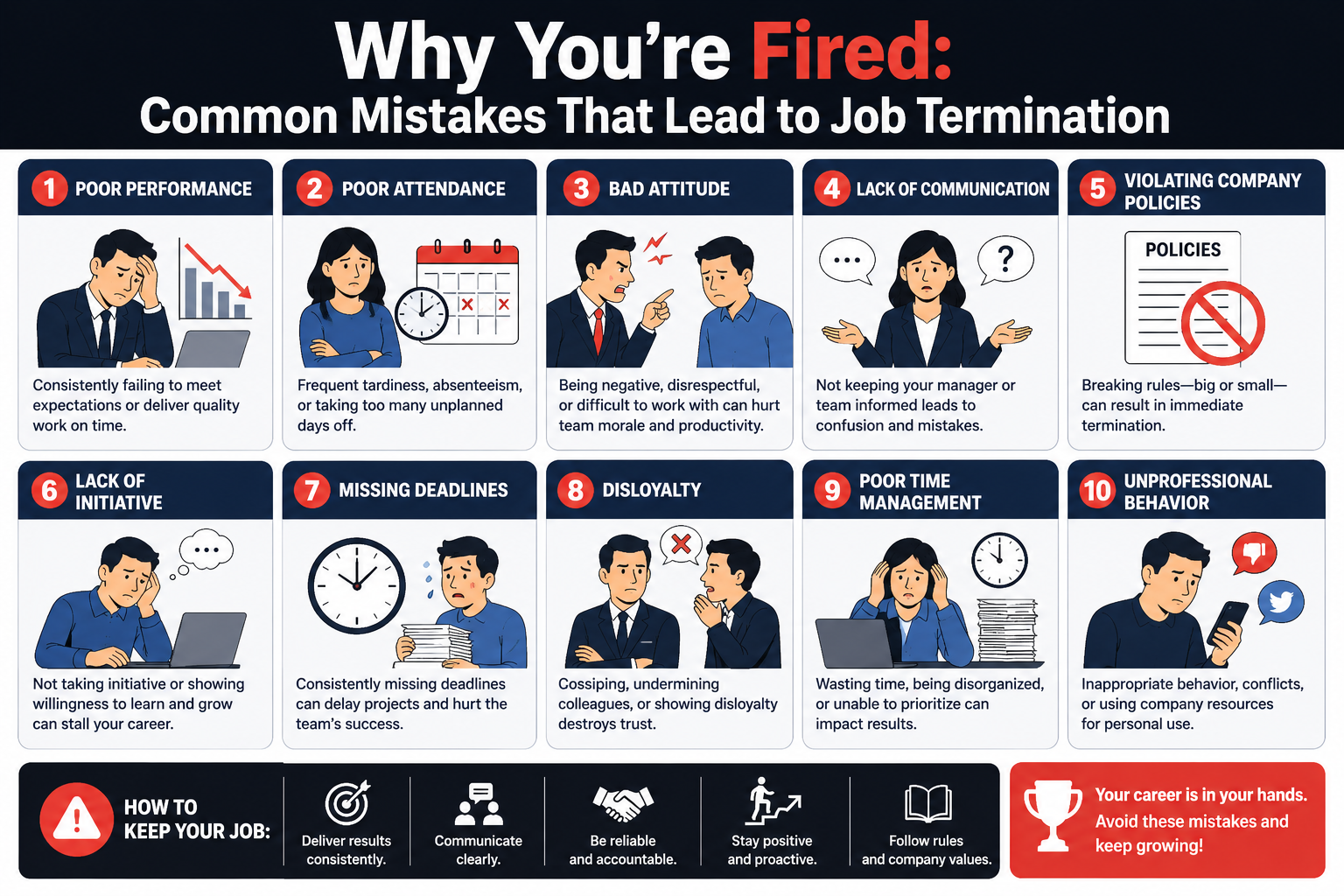
It often begins like any other morning. You arrive at work, settle into your routine, check your inbox, sip your coffee, and mentally prepare for the usual stream of issues that define an IT administrator’s day. A failed backup here, a minor system glitch there, and a few users reporting problems that sound urgent but usually turn out to be routine. Everything feels predictable, even if it is busy.
That sense of normalcy is what makes the disruption so powerful when it happens. Being called into a meeting with management and HR is not something most professionals expect without warning. The atmosphere changes immediately. There is a shift in tone, body language, and formality that signals something serious is about to happen. Even before anything is said, many people can sense it.
The moment you are informed that your employment is ending, everything feels compressed. Thoughts come in fragments rather than sentences. Concerns about finances, identity, reputation, and future stability all collide at once. For IT professionals especially, who are often relied upon as problem-solvers, the irony is sharp—you are suddenly facing a problem that cannot be fixed with a restart or a patch.
What follows that meeting is rarely clear. You leave the building with your belongings, but also with an invisible weight that is difficult to describe. It is not just about losing a job. It is about losing structure, familiarity, and a professional identity that may have taken years to build.
Managing the Immediate Emotional Impact Without Losing Control
The emotional reaction after being fired can be intense and unpredictable. Anger is often the first response. It may be directed at management decisions, workplace politics, or perceived unfairness. Soon after, fear can set in, especially about financial stability and future employment prospects. Sadness and embarrassment may follow, particularly if strong relationships were formed at work.
Despite these emotions, the immediate priority is maintaining control over behavior. The way you respond in the final moments at the workplace can have long-term consequences. Professional environments, especially in technical fields, are smaller than they appear. Colleagues move between companies, references are checked, and reputations follow individuals longer than expected.
Staying composed during the exit is not about suppressing emotion. It is about protecting future opportunities. Responding with hostility or confrontation may provide temporary relief but can close doors that are not immediately visible. A calm and respectful departure preserves dignity and keeps future professional relationships intact.
Once outside the workplace environment, emotions often intensify again. This is a natural psychological response to sudden loss. The mind begins to process what has happened in waves rather than all at once. During this period, it is important to avoid impulsive decisions. Immediate reactions—such as sending angry messages, posting emotional statements, or making rushed career moves—can create additional challenges.
Instead, giving yourself a short period to stabilize mentally can help. This does not mean ignoring the situation, but rather allowing space for clearer thinking to return before taking major steps.
Rebuilding Structure After Job Loss
Once the initial shock begins to settle, the focus shifts toward rebuilding structure. Employment provides more than income; it provides routine, purpose, and direction. When that disappears suddenly, it can feel disorienting. Creating a new temporary structure becomes essential.
One of the first practical steps is reviewing financial stability. Understanding how long savings can support basic needs helps reduce uncertainty. This is not about panic, but about clarity. Knowing your situation allows for more rational planning and reduces the pressure of unknown timelines.
At the same time, attention should turn to professional documentation. Updating a resume is not just a technical task; it is a process of re-evaluating your experience and identifying your strongest skills. Many professionals underestimate how quickly their abilities evolve over time. Revisiting past work can reveal strengths that were previously taken for granted.
Professional networking also becomes important during this stage. Reconnecting with former colleagues, recruiters, or industry contacts can open unexpected opportunities. However, this should be done with a balanced mindset. The goal is not to rush into the first available position, but to understand the range of possibilities in the job market.
Another important aspect of rebuilding structure is managing time. Days without work responsibilities can feel unusually long. Without planning, this can lead to inactivity, which often worsens emotional stress. Creating a simple daily routine—such as designated time for job search activities, learning, exercise, and rest—helps restore a sense of control.
Reflecting on the Experience Without Self-Blame
After the immediate urgency fades, reflection becomes a critical step. This stage is not about assigning blame but about understanding circumstances clearly. Every employment situation involves multiple factors, including organizational changes, budget constraints, shifting priorities, and performance expectations.
It is natural to ask difficult questions. What could have been done differently? Were there warning signs that were missed? Were there skills that needed strengthening? These questions can be useful when approached constructively. However, excessive self-criticism can become counterproductive.
A balanced reflection separates personal identity from professional outcome. Losing a job does not define competence as a whole. It reflects a specific situation within a specific organization at a specific time. This distinction is important for maintaining long-term confidence.
In technical roles, particularly IT administration, environments evolve rapidly. Tools change, infrastructure shifts, and organizational needs can outgrow existing skill sets. Sometimes job loss is less about failure and more about misalignment between evolving requirements and current capabilities.
This is why reflection should focus on patterns rather than isolated events. Identifying areas for growth—such as communication, technical specialization, or adaptability—creates a foundation for future improvement. The goal is not to rewrite the past but to inform future decisions more effectively.
Learning and Skill Development During Transition
Periods of unemployment, while stressful, can also create unexpected opportunities for growth. Time that was previously consumed by daily responsibilities can be redirected toward skill development and exploration.
For IT professionals, the technology landscape is constantly evolving. Systems that were once industry standard may be replaced or upgraded. Cloud platforms, automation tools, cybersecurity practices, and new programming frameworks continue to reshape the field. Staying updated is not optional in the long term; it is part of maintaining professional relevance.
This does not require formal programs or structured courses. Learning can happen through experimentation, personal projects, and self-directed exploration. Setting up test environments, exploring new operating systems, or practicing configuration tasks can all contribute to skill development.
Beyond technical growth, this period can also be used to strengthen problem-solving abilities. Without the pressure of immediate workplace demands, there is space to explore concepts more deeply. This type of learning often leads to stronger long-term understanding than task-driven work environments allow.
Equally important is maintaining balance. Continuous job searching without breaks can lead to mental fatigue. Engaging in non-technical activities helps maintain emotional stability. Physical movement, hobbies, and social interaction all contribute to mental clarity during uncertain periods.
Preparing for Long-Term Career Resilience
While job loss is often experienced as an isolated event, it is more useful to view career development as an ongoing cycle rather than a fixed path. Every professional, regardless of skill level, may face instability at some point. Building resilience means preparing for uncertainty before it arrives.
One aspect of resilience is maintaining adaptability. Professionals who are willing to update their skills, explore new technologies, and adjust to changing environments tend to recover more quickly from disruptions. Flexibility becomes a form of protection.
Another important factor is professional visibility. Staying connected within your industry ensures that opportunities continue to surface even during transitions. Many roles are filled through informal networks rather than public listings. Maintaining professional relationships can significantly influence recovery speed after job loss.
Resilience also involves emotional preparedness. Understanding that setbacks are part of long-term career development reduces the psychological impact when they occur. Instead of viewing job loss as an endpoint, it becomes a transition point that, while difficult, can lead to new directions.
Finally, career resilience is strengthened by continuous self-awareness. Regularly evaluating strengths, weaknesses, and interests helps align career decisions with long-term goals. This reduces the likelihood of prolonged dissatisfaction or misalignment in future roles.
Conclusion
Experiencing job loss, especially in a technical or highly responsible role, can be one of the most challenging moments in a professional journey. It affects not only financial stability but also confidence, identity, and emotional well-being. The initial shock often brings confusion and uncertainty, making it difficult to think clearly or plan ahead.
However, what follows that moment is just as important as the event itself. Maintaining professionalism during the transition helps preserve long-term opportunities. Taking time to stabilize emotionally prevents impulsive decisions that could complicate recovery. Gradually rebuilding structure brings back a sense of control, even in uncertain circumstances.
Reflection allows for growth without falling into self-blame, helping transform a difficult experience into a learning opportunity. Skill development during this period strengthens long-term employability and keeps professionals engaged with an evolving industry. Over time, these efforts contribute to greater resilience and adaptability.
Although job loss is never easy, it does not define the entirety of a career. It is a moment within a longer journey—one that can lead to new skills, new directions, and renewed professional clarity when approached with patience and perspective.