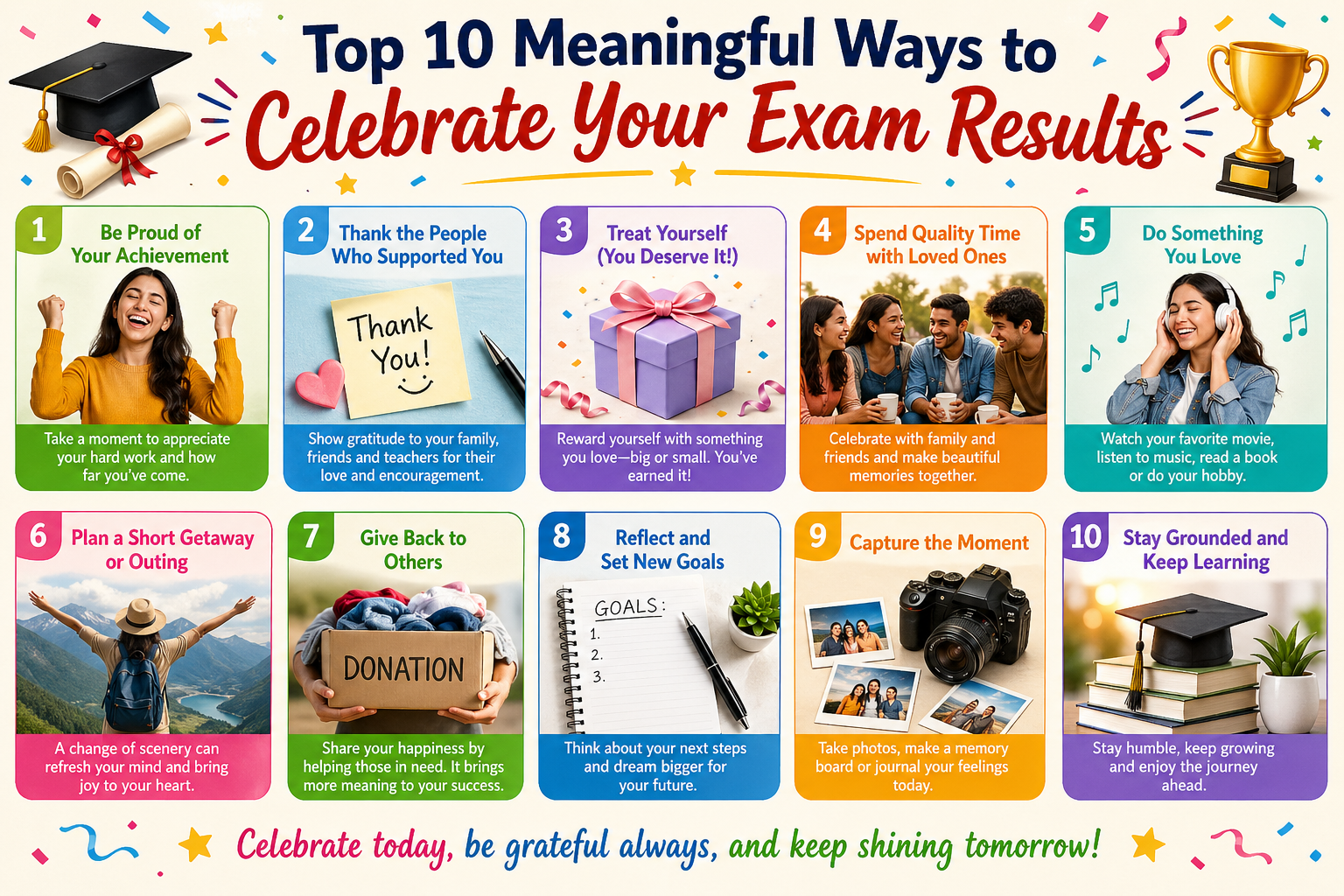
After weeks or even months of disciplined preparation, revision cycles, practice tests, and mental endurance, the moment you finally submit your exam feels strangely unreal. In many cases, the brain doesn’t immediately process what has just happened. You may sit there for a few seconds, still mentally reviewing questions, as if the test is not truly over. That pause between effort and realization is where anticipation, relief, and disbelief collide.
Most people underestimate how emotionally intense this moment is. Passing an exam is not just an academic achievement—it is the end of a structured routine that has likely shaped your daily life. Early mornings, late nights, sacrificed weekends, reduced social interactions, and constant mental pressure suddenly disappear in an instant. That shift creates a psychological vacuum that naturally demands release.
Some individuals experience an immediate surge of joy, while others feel surprisingly numb at first. Both reactions are normal. The brain has been operating in “performance mode” for so long that it takes time to transition into “reward mode.” This is why the first few minutes after the result screen appears often feel surreal, almost like watching someone else’s success rather than your own.
Once the reality settles in, celebration becomes not just an option but a psychological necessity. It helps the mind close the chapter, reward effort, and reset emotional balance. Without it, achievement can feel incomplete, as though something important was skipped.
This is where celebration becomes deeply personal. There is no single correct way to mark success. Instead, it becomes a collection of emotional expressions—some loud, some quiet, some shared, and some deeply private.
The Immediate Rush: Celebrating the Moment Right After the Exam
The first stage of celebration often begins the moment you leave the testing environment. This is the raw, unfiltered reaction phase, where emotions override logic and planning. Many people describe this as a “mental explosion of relief,” because the pressure that has been building for weeks suddenly disappears.
One of the most common immediate reactions is physical expression. You might find yourself smiling uncontrollably, laughing alone, or even doing small celebratory gestures without thinking. Some people walk out of the testing center with noticeably lighter steps, as if their physical body has been released from a weight it was carrying for too long.
In this phase, even small actions feel amplified. A simple deep breath feels meaningful. The walk to your car feels different. The outside world seems slightly brighter, quieter, or more vivid than it did just an hour ago. This sensory shift is part of how the brain recalibrates after stress.
Music often plays a powerful role here. Many people instinctively turn on their favorite songs during the drive home. Interestingly, the genre doesn’t matter as much as the emotional association. A song you have listened to during study breaks can suddenly feel like a victory anthem. People often sing louder than usual, tap the steering wheel, or momentarily forget that they are in a public space.
In some cases, individuals replay the moment in their head repeatedly. They think about the final question, the confirmation screen, or the sensation of clicking “submit.” This mental replay helps reinforce the reality of success. It is the brain’s way of saying, “This actually happened.”
Social behavior also begins quickly in this phase. Even before reaching home, many people feel the urge to tell someone. A single message like “I passed” can feel surprisingly powerful. The excitement is not just about sharing news—it is about external validation of an internal victory.
At this stage, celebration is instinctive, not structured. It is not about planning or strategy. It is about letting the emotional pressure escape in whatever form feels natural.
Expressing Achievement in the Digital World
Once the initial emotional wave stabilizes, attention often shifts toward sharing the achievement more widely. In today’s connected world, digital expression has become one of the most common ways to celebrate success.
Posting about passing an exam is not simply about announcing a result. It is about telling a story of effort, persistence, and personal growth. Social platforms become a stage where months of unseen work finally receive visibility. For many people, this moment is deeply satisfying because the struggle behind the success is often invisible to others.
The way people share this achievement varies widely. Some prefer a simple statement, while others create detailed reflections about their journey. A few may choose to include photos, such as a study setup, a certification printout, or even a casual selfie that captures the moment of relief and happiness.
The responses from others also contribute significantly to the celebration. Supportive messages, congratulatory comments, and reactions from friends, colleagues, or mentors reinforce the sense of accomplishment. This social reinforcement helps transform a personal milestone into a shared celebration.
Interestingly, professional platforms add another layer of meaning. Sharing success in a professional context can symbolize growth, career progression, and future opportunity. It signals readiness for new challenges and often strengthens confidence in one’s abilities.
However, not everyone feels comfortable sharing publicly, and that choice is equally valid. For some, keeping the moment private preserves its emotional authenticity. Celebration does not lose value when it is not displayed; in fact, private acknowledgment can sometimes feel even more meaningful.
Whether public or private, digital expression serves the same core purpose: reinforcing the reality of achievement and allowing the emotional impact to settle more deeply.
The Role of Physical Rewards in Celebrating Success
After emotional expression and social sharing, many people naturally turn toward tangible rewards. This is where celebration becomes physical and sensory.
Rewarding yourself after passing an exam is not about extravagance; it is about recognition. The brain responds strongly to positive reinforcement, and physical rewards help anchor the memory of achievement. This can be something small or something significant, depending on personal preference and effort invested.
For some, the reward may be something they have wanted for a long time but delayed due to study commitments. For others, it might be a simple comfort experience—good food, relaxation, or a break from responsibility. The key factor is intentionality. The reward should feel connected to the effort that was put in.
There is also a psychological benefit in this stage. When the brain associates hard work with positive outcomes, it becomes easier to stay motivated for future challenges. This creates a cycle where discipline is reinforced through reward, rather than exhaustion alone.
Physical celebration can also include experiences that create contrast with the study period. For example, after weeks of limited leisure, even a simple outing feels more enjoyable. The absence of pressure enhances the perception of freedom, making ordinary experiences feel special.
Sleep, too, becomes a form of reward. After prolonged periods of disrupted rest, catching up on sleep is not just recovery—it is restoration. The body and mind recalibrate, and fatigue gradually gives way to clarity and calm.
In this phase, celebration is not loud or performative. It is restorative. It focuses on replenishing energy and acknowledging that effort deserves care, not just recognition.
Sharing the Moment with Close Connections
While personal celebration is important, shared celebration adds emotional depth. Human beings naturally seek connection during moments of achievement, and passing an exam is often one of those milestones that feels incomplete without sharing it with others who supported the journey.
Friends who studied alongside you often understand the journey better than anyone else. They know the stress, the doubts, and the moments of uncertainty. Celebrating with them creates a sense of mutual accomplishment, even if everyone’s results are different.
Family members also play a significant role in this stage. In many cases, they are the unseen support system behind the scenes. Their encouragement, patience, and understanding contribute indirectly to success. Sharing the achievement with them often brings a deeper emotional response, sometimes even more meaningful than the result itself.
This shared celebration does not always require elaborate planning. It can be as simple as a meal together, a conversation, or a moment of acknowledgment. What matters is presence. Being physically or emotionally available to those who supported you reinforces the relational aspect of success.
There is also a reflective dimension here. Talking about the journey often brings back memories of difficult moments—times when motivation was low, when progress felt slow, or when doubt crept in. Revisiting those moments from a place of success gives them new meaning.
This stage of celebration helps integrate the achievement into personal identity. It is no longer just “I passed an exam,” but “we went through this journey, and it succeeded.”
The Quiet Form of Celebration: Personal Reflection and Mental Reset
Not all celebrations are external. Some of the most powerful forms of acknowledgment happen internally, in silence.
After the excitement settles, many individuals enter a reflective phase. This is where the mind processes what has been achieved and what it took to get there. It is a moment of mental consolidation, where effort is transformed into self-awareness.
This reflection often includes revisiting the challenges faced during preparation. The long hours, the uncertainty, the moments of doubt—all of these begin to feel distant but meaningful. The achievement gains depth when viewed through the lens of struggle.
Some people use this time to mentally thank themselves for persistence. Others simply sit in quiet appreciation of the outcome. This internal acknowledgment is important because it strengthens self-trust. It reinforces the belief that disciplined effort leads to results.
There is also a subtle transition happening during this phase. While celebration is still present, attention slowly begins to shift toward what comes next. The mind starts exploring future goals, new certifications, or career opportunities. This is not pressure—it is a natural progression.
The quiet form of celebration is often overlooked, but it is essential. It allows emotional energy to stabilize and prepares the mind for future challenges without burnout.
The Unexpected Nature of Celebration Styles
One of the most interesting aspects of passing an exam is how unpredictable the celebration can be. Even people who plan how they will celebrate often behave differently in the moment.
Some expect to feel explosive joy but instead feel calm satisfaction. Others assume they will stay composed but end up overwhelmed with excitement. This unpredictability reflects the complexity of human emotion.
Celebration is not a fixed formula. It is shaped by personality, effort level, emotional investment, and even physical exhaustion. Someone who studied under extreme pressure may feel deeper relief than excitement. Someone who studied steadily over time may feel balanced satisfaction rather than emotional extremes.
There is also cultural influence. In some environments, achievement is expressed loudly and publicly. In others, it is acknowledged quietly and privately. Both approaches are valid expressions of success.
What remains consistent, however, is the need for closure. Whether loud or quiet, a celebration marks the transition from effort to completion.
When the Celebration Becomes Part of Memory
Over time, the celebration itself becomes part of the memory of passing the exam. People often remember not only the result but also how they felt immediately afterward.
The drive home, the first message sent, the reaction of loved ones, or even a small personal moment of relief can become vivid memories. These details often stay longer in memory than the exam itself.
This is because emotional intensity strengthens memory formation. The brain stores experiences linked with strong emotion more deeply than routine events. As a result, celebration becomes part of the achievement narrative.
It also serves a motivational function. When future challenges arise, recalling the feeling of success can help rebuild confidence. The memory of celebration becomes a mental reference point for perseverance.
In this way, celebration is not just an ending. It becomes a foundation for future effort, shaping how success is perceived and pursued over time.
Rebuilding Identity After Academic Success
Passing an exam does more than confirm knowledge; it subtly reshapes how a person sees themselves. After weeks or months of identifying as “a student preparing,” “a candidate revising,” or “someone still studying,” the moment of success introduces a shift in identity. This transition is not always immediate or obvious. In fact, many people continue mentally living in preparation mode even after achieving their goal.
This is because intense preparation creates a temporary identity built around discipline, pressure, and routine. Your days are structured by study schedules, revision targets, and performance anxiety. When the exam is over, that structure disappears suddenly, leaving a psychological gap that needs to be filled.
Rebuilding identity in this phase often begins with small realizations. You notice you no longer need to wake up early for revision. You realize there are no more practice tests to complete. Even simple activities like resting or watching something without guilt feel different.
Gradually, a new identity starts forming—one centered around accomplishment rather than preparation. Instead of being “someone trying to pass,” you become “someone who has passed.” This subtle shift influences confidence, decision-making, and even future ambitions.
However, this transition is not always smooth. Some individuals feel a temporary loss of direction. The absence of study goals can create a strange emptiness. This is not failure; it is simply the brain adjusting to the removal of a long-standing structure.
Over time, this space becomes an opportunity. It allows personal interests, hobbies, and goals that were previously paused to re-enter life. Identity expands rather than disappears, incorporating both achievement and individuality beyond exams.
Designing a Personal Celebration Style
Celebration after passing an exam is deeply personal, and one of the most meaningful aspects is learning how to design a style of celebration that reflects who you are. Not everyone celebrates loudly, and not everyone prefers silence. The diversity of celebration styles is what makes success feel authentic.
Some people prefer energetic celebration, where excitement is expressed physically through movement, music, or social interaction. Others prefer a calm celebration, focusing on reflection, rest, or private acknowledgment. Neither approach is better; they simply reflect different emotional personalities.
Designing a personal celebration style often happens unconsciously at first. Over time, people begin to notice patterns in how they respond to success. For example, you may realize that your first instinct is always to call a close friend, or that you prefer to take a quiet walk before telling anyone.
Understanding your celebration style can actually enhance emotional satisfaction. When celebration aligns with personality, it feels more genuine and fulfilling. It also prevents the common feeling of “I should be happier than I am,” which sometimes occurs when people follow external expectations.
Another important aspect is flexibility. Celebration does not need to follow a fixed formula. Some achievements may call for social celebration, while others feel more personal. Allowing variation ensures that each success feels unique rather than repetitive.
Over time, people often develop a celebration rhythm: an immediate reaction, followed by sharing, followed by personal reward, and finally reflection. This rhythm becomes a natural way of processing achievement, even if it is never consciously planned.
Group Celebrations and Peer Connections
One of the most emotionally rich ways to celebrate passing an exam is through shared experiences with peers. Friends, classmates, or study partners who have been part of the journey understand the effort behind the success in a way others may not fully grasp.
Group celebration is not just about enjoyment; it is about shared recognition. When people who experienced the same stress and preparation come together, the achievement feels collective. Even if results differ among individuals, the journey itself becomes a bonding experience.
In many cases, group celebrations bring a sense of closure to the entire preparation phase. The same people who once discussed difficult topics, shared resources, or encouraged each other during low moments now come together without pressure. This emotional shift from stress-based interaction to success-based interaction is powerful.
Conversations during these moments often revolve around shared memories. People recall difficult questions, challenging study sessions, or moments of doubt. These reflections often feel humorous or surprising when viewed after success.
Group celebrations can also reinforce motivation for future goals. Seeing others succeed or move forward can create a sense of healthy inspiration. It reminds individuals that progress is possible and that effort is worthwhile.
However, group celebration also highlights differences. Some may have passed while others are still waiting for results or preparing again. In such cases, sensitivity becomes important. True celebration includes empathy and understanding, not comparison.
Ultimately, peer-based celebration strengthens both emotional satisfaction and social connection, making success feel more expansive than individual achievement alone.
The Psychology of Reward Loops and Motivation
Behind every celebration is a deeper psychological mechanism: the reward loop. Human brains are naturally wired to seek reward after effort. Passing an exam activates this system strongly because it represents delayed gratification—effort invested over time finally producing a result.
When you celebrate, the brain releases positive emotional signals that reinforce the behavior of studying and persistence. This is why celebration is not just enjoyable; it is also functional. It strengthens the likelihood of repeating disciplined behavior in the future.
The timing of the reward also matters. Immediate celebration after success tends to create a stronger emotional association than delayed acknowledgment. This is why even small gestures right after passing an exam feel so impactful.
However, reward loops can also become imbalanced if expectations are too rigid. If someone believes they must celebrate in a specific way to feel satisfied, they may unintentionally reduce their own emotional experience. Flexibility allows the reward system to function naturally.
Another interesting aspect is anticipatory reward. During preparation, the imagination of future celebration often helps sustain motivation. Thoughts like “when I pass, I will finally relax” or “I will reward myself” create psychological fuel during difficult study periods.
Once the exam is passed, the actual celebration becomes the completion of that anticipation loop. This closure is what creates emotional relief and satisfaction.
Over time, individuals who understand this psychological cycle often become more self-aware in how they approach future goals. They recognize that effort and reward are connected systems rather than separate events.
Travel and Experience-Based Celebrations
For many people, celebrating success goes beyond material rewards and enters the realm of experience. Travel or new experiences often become a powerful way to mark the transition from intense preparation to freedom.
Experiential celebration works because it creates contrast. After spending long periods in structured, confined routines, stepping into new environments feels refreshing and emotionally expansive. Even short trips or local outings can feel significant when they represent a break from academic pressure.
The value of experience-based celebration is not in distance or cost, but in novelty. Visiting a new place, exploring unfamiliar surroundings, or simply changing routine environments can amplify the feeling of achievement.
These experiences also help the mind detach from study-related stress. When attention shifts to new sensory input—sights, sounds, and interactions—the brain gradually releases residual academic tension.
Another important aspect is memory creation. Experiences tend to be remembered more vividly than material rewards. This makes travel or exploration a long-lasting reminder of success, reinforcing the emotional impact of passing the exam.
However, experience-based celebration does not always need to be elaborate. Even small changes, such as visiting a favorite location, spending time outdoors, or engaging in a hobby in a new setting, can create similar psychological effects.
The essence of this type of celebration is movement—physically and mentally—from one phase of life to another.
Food, Rituals, and Cultural Celebration Practices
Food plays a surprisingly important role in celebrating academic success across many cultures. Sharing a meal after achievement is one of the oldest and most universal forms of celebration. It symbolizes nourishment, connection, and reward.
After passing an exam, a food-based celebration often carries emotional significance. It is not just about taste; it is about marking a moment. A favorite meal can feel more satisfying because it is tied to success and relief.
In many households, academic achievements are celebrated through shared meals with family. This creates a sense of unity and acknowledgment. The act of eating together reinforces emotional bonds while recognizing effort and success.
Cultural practices also influence how celebration is expressed. In some traditions, achievements are marked with gatherings and communal meals. In others, celebration may be more private but still centered around meaningful food rituals.
Food-based celebration also serves a grounding purpose. After intense mental effort, physical nourishment helps restore balance. It reconnects the mind and body after prolonged stress.
Beyond food, rituals also play a role. Some people develop personal traditions after passing exams, such as revisiting a favorite place, wearing something symbolic, or performing a small personal ritual that marks success.
These rituals may seem simple, but they hold emotional significance because they create continuity. Over time, they become part of how achievement is defined personally.
Digital Memory Building and Personal Documentation
In the modern era, celebrating success often extends into documenting it. Beyond sharing in the moment, many individuals create long-term digital memories of their achievements.
This can include saving screenshots, writing reflections, recording voice notes, or organizing study materials into a personal archive. These actions serve a deeper purpose than storage; they preserve the emotional journey.
Digital memory building allows individuals to revisit their success later, especially during moments of doubt or new challenges. Seeing evidence of past achievement reinforces confidence and resilience.
Some people prefer structured documentation, while others create informal collections of memories. The format does not matter as much as the intention behind it: preserving the experience of effort and success.
Over time, these digital memories become a timeline of growth. They show not only the moment of passing but also the journey leading up to it.
This form of celebration is subtle but long-lasting. Unlike physical rewards, digital memories continue to exist and provide emotional reinforcement long after the initial excitement fades.
Common Mistakes People Make After Passing Exams
Despite the joy of success, some common patterns can unintentionally reduce the satisfaction of celebration. One of these is rushing immediately into the next goal without acknowledging the current achievement.
While ambition is positive, skipping celebration entirely can make success feel incomplete. Without emotional acknowledgment, achievements may blend into one another without meaningful distinction.
Another common mistake is comparing celebration styles with others. Some people may celebrate loudly, while others remain quiet. Assuming that one style is more valid than another can reduce personal satisfaction.
Overplanning a celebration can also diminish its natural emotional impact. When celebration becomes an obligation rather than a response, it loses spontaneity and emotional authenticity.
On the other hand, under-celebration can lead to emotional disconnect. Achievements that are not acknowledged emotionally may feel less significant over time, even if they are objectively important.
Balancing awareness with spontaneity is key. Allowing celebration to unfold naturally while still recognizing its importance creates a healthier emotional experience.
Balancing Celebration with Future Aspirations
After passing an exam, attention often begins to shift toward future opportunities. This transition is natural, as success tends to open new doors and possibilities.
However, balancing present celebration with future thinking is important. If attention moves too quickly to what comes next, the emotional value of the current achievement may be reduced. On the other hand, staying in celebration mode indefinitely is also not practical.
The balance lies in allowing both to coexist. It is possible to acknowledge success fully while still being open to future goals. This dual awareness creates a sense of continuity rather than interruption in personal growth.
In many cases, passing an exam becomes a stepping stone rather than an endpoint. It signals readiness for new challenges, higher responsibilities, or broader learning paths.
At the same time, pausing to fully recognize the achievement ensures that progress feels meaningful. Without this pause, growth can feel mechanical rather than fulfilling.
This balance between recognition and progression is what allows success to feel both satisfying and motivating at the same time.
The Transition from Structured Study Life to Freedom
After passing an exam, one of the most unexpected experiences is the sudden shift from a highly structured routine to open-ended time. During preparation, every day is shaped by schedules, deadlines, revision plans, and performance goals. When that structure disappears, the sense of freedom can feel both exciting and unfamiliar.
At first, many people continue living as if they still need to study. They may instinctively feel guilty for resting or taking breaks, even though there is no longer an exam looming. This is a psychological carryover from long-term discipline, where productivity becomes deeply embedded in daily identity.
As days pass, however, this structured mindset begins to loosen. Time feels more flexible. Decisions are no longer dictated by exam preparation. Simple activities such as sleeping in, watching something leisurely, or going out without planning feel unusually liberating.
This transition is not always smooth. Some people experience what can be described as a “post-exam void,” where the absence of goals creates a temporary lack of direction. This does not indicate loss of motivation; it is simply the mind adjusting to a new phase of life.
Eventually, this space becomes an opportunity rather than a gap. It allows exploration of interests that were previously postponed. It also creates room for mental recovery, which is often overlooked during intense study periods.
The shift from structure to freedom is one of the most significant emotional changes after passing an exam, even if it is not immediately recognized.
Rest, Recovery, and Physical Reset After Intense Preparation
One of the most immediate needs after passing an exam is recovery. While celebration is often associated with excitement and activity, rest plays an equally important role in the post-exam experience.
During preparation, sleep patterns are often disrupted. Late-night study sessions, early-morning revisions, and mental fatigue accumulate over time. Even if the body adapts temporarily, the need for recovery remains.
After the exam is over, many people find themselves sleeping longer than usual. This is not laziness; it is biological restoration. The body takes the opportunity to repair itself after prolonged stress.
Rest is not limited to sleep alone. Mental rest is equally important. The brain, which has been constantly processing information, analyzing problems, and managing pressure, finally gets a chance to slow down.
This slowing down can feel unusual at first. Some people may feel restless when they are not studying. Others may feel unusually calm or detached. These responses are part of the recalibration process.
Physical relaxation activities often become more enjoyable during this period. Simple routines such as walking, stretching, or spending time outdoors feel more refreshing than they did during study phases.
Recovery also improves emotional stability. Stress hormones gradually decrease, and mental clarity returns. This creates a more balanced emotional state that enhances the overall sense of achievement.
Rest, therefore, is not separate from celebration—it is part of it. It allows the body and mind to fully absorb the meaning of success.
The Role of Reflection in Long-Term Satisfaction
After the initial excitement fades, reflection becomes one of the most important parts of the post-exam experience. Reflection is not about re-living stress, but about understanding the journey from effort to achievement.
This stage often begins naturally. People start thinking about how they prepared, what challenges they faced, and how they managed to overcome difficult moments. These thoughts help create a narrative around the achievement.
Reflection allows individuals to recognize personal growth. It highlights improvements in discipline, focus, resilience, and problem-solving abilities. These qualities often matter more in the long term than the exam itself.
Some people also reflect on mistakes or difficult phases during preparation. However, after success, these moments tend to feel less heavy. Instead, they are viewed as necessary steps in the journey.
Reflection also strengthens memory. Experiences that are mentally revisited become more deeply stored in long-term memory. This is why people often remember not just passing the exam, but the entire emotional journey surrounding it.
Another important aspect of reflection is self-recognition. Many individuals realize that they have achieved something they once considered difficult or uncertain. This realization strengthens confidence and self-belief.
Reflection does not require formal practice. It often happens during quiet moments—while resting, walking, or simply thinking. It is a natural part of processing success.
Social Recognition and the Ripple Effect of Achievement
When someone passes an exam, the impact is rarely limited to the individual alone. Success often creates a ripple effect across social circles, including friends, family, mentors, and colleagues.
Social recognition plays a significant role in shaping how achievement is perceived. When others acknowledge success, it reinforces its importance and emotional value. Even simple words of encouragement or congratulations can enhance the feeling of accomplishment.
Family members often experience pride that extends beyond individual achievement. In many cases, they have supported the journey emotionally, financially, or logistically. Their recognition adds a deeper emotional layer to the success.
Friends and peers contribute in a different way. Their reactions often reflect a shared understanding of the effort involved. When they celebrate together, it creates a sense of collective progress.
There is also a motivational ripple effect. Seeing someone succeed can inspire others in their environment to pursue their own goals. This creates a cycle of encouragement and ambition.
However, social recognition can also introduce pressure if not balanced properly. Expectations for continued success may increase. This is why it is important to separate celebration from obligation.
Healthy social recognition supports achievement without turning it into pressure. It acknowledges effort while respecting personal pace.
Quiet Celebration and the Power of Internal Validation
While external celebration is visible and social, internal celebration is often more enduring. Internal validation refers to the quiet recognition of success within oneself, without relying on external feedback.
This form of celebration is deeply personal. It may not involve words or actions, but rather a sense of satisfaction and completion. It is the feeling of knowing that effort has translated into success.
Internal validation becomes especially important when external recognition is limited or absent. Even without public acknowledgment, the sense of achievement remains intact.
One of the strongest aspects of internal celebration is stability. External reactions can vary, but internal recognition remains consistent once established.
Many people experience a moment of silent acknowledgment after passing an exam. It may be a brief pause, a deep breath, or a simple realization that the goal has been achieved.
This internal moment often carries long-term emotional weight. It becomes a reference point for confidence in future challenges.
Internal validation also supports emotional independence. It reduces reliance on external approval and strengthens self-trust.
Over time, individuals who develop strong internal validation tend to experience more balanced emotional responses to both success and failure.
Financial and Career Implications of Passing an Exam
Passing an exam is often not just an academic milestone; it can also influence financial and career opportunities. Many certifications or qualifications are directly linked to professional advancement.
One of the immediate effects may be increased eligibility for new roles or responsibilities. This can lead to career growth, improved job prospects, or expanded professional recognition.
Financial implications vary depending on context. In some cases, passing an exam may lead to salary increases or new opportunities. In others, it may serve as a foundational step toward future financial progress.
However, it is important to recognize that these changes are not always immediate. Sometimes the impact unfolds gradually as opportunities arise over time.
Career-related celebrations often include a forward-looking mindset. People begin to think about how their new qualification can be applied in practical situations.
This stage of reflection is less about excitement and more about direction. It connects achievement with future planning.
Despite this practical aspect, emotional celebration remains important. Without acknowledging success emotionally, even career advancement can feel mechanical.
Balancing emotional satisfaction with professional awareness creates a healthier relationship with achievement.
Reconnecting with Personal Interests and Forgotten Activities
During exam preparation, many personal interests and hobbies are temporarily set aside. After passing the exam, one of the most enjoyable experiences is reconnecting with these activities.
This reconnection often feels refreshing. Activities that were once paused suddenly feel more enjoyable because they are no longer restricted by time pressure.
Even simple hobbies such as reading for leisure, watching entertainment, or engaging in creative activities can feel significantly more rewarding after a long study period.
This return to personal interests also helps restore identity balance. During preparation, identity is often centered around academic effort. Re-engaging with hobbies restores individuality beyond academic performance.
Some people rediscover interests they had forgotten. Others deepen existing hobbies with renewed energy. In both cases, the experience contributes to emotional recovery.
Reconnection with personal interests also helps prevent burnout. It provides mental variety after prolonged focus on a single goal.
Over time, these activities become part of post-exam recovery and celebration, reinforcing emotional well-being.
Managing Emotional Highs and Post-Exam Lows
While passing an exam is a positive experience, it can also bring unexpected emotional fluctuations. After the initial excitement fades, some individuals experience a temporary emotional dip.
This is not uncommon. The transition from high-pressure preparation to sudden relaxation can create emotional imbalance. The brain adjusts from constant stimulation to relative calm, which may feel unusual.
Some people describe this phase as a lack of direction or motivation. However, it is typically temporary and resolves naturally as routines adjust.
Understanding this emotional cycle helps normalize the experience. It prevents individuals from misinterpreting temporary feelings as a lack of satisfaction or success.
One effective way to manage this phase is a gradual transition. Instead of moving directly from intense preparation to complete inactivity, slowly reintroducing structure can help stabilize emotions.
Engaging in light activities, social interaction, or personal projects can also help maintain balance.
Emotional highs and lows are part of the broader experience of achievement. Recognizing them helps create a more complete understanding of success.
Building Momentum for Future Goals Without Losing the Present Moment
After passing an exam, attention naturally begins to shift toward future goals. This forward-thinking mindset is a natural part of personal growth.
However, maintaining balance between future planning and present appreciation is essential. Moving too quickly into the next goal can reduce the emotional impact of current success.
Building momentum does not require urgency. It can be a gradual process where new ideas and ambitions emerge naturally over time.
This phase often involves exploring possibilities rather than committing immediately. People may consider new certifications, career paths, or learning opportunities.
At the same time, it is important to preserve the value of the current achievement. Recognizing success fully ensures that progress feels meaningful rather than continuous pressure.
Momentum becomes healthier when it is driven by curiosity rather than obligation. It allows growth while maintaining emotional stability.
In this way, success becomes both a milestone and a starting point, creating continuity between past effort and future ambition.
Conclusion
Passing an exam is more than a single academic result; it is the final moment of a long process built on discipline, repetition, stress, persistence, and personal sacrifice. When the result finally confirms success, the experience often unfolds in layers rather than a single emotional reaction. There is the immediate relief of finishing, the excitement of achievement, the instinct to share the news, and the quieter stage of reflection that follows afterward.
Celebration in this context is not just about enjoyment—it serves an important psychological function. It helps the mind transition from a high-pressure environment into a state of balance. Whether someone chooses loud celebration, private satisfaction, social sharing, or simple rest, each form of acknowledgment reinforces the value of effort and strengthens emotional closure.
What makes post-exam celebration meaningful is not its size or visibility, but its authenticity. A simple moment of happiness, a conversation with someone close, or even a quiet pause of recognition can carry deep emotional weight. These moments allow the achievement to settle into memory and become part of personal identity.
At the same time, passing an exam often marks the beginning of a new phase. It opens doors to new opportunities, responsibilities, and goals. However, the importance of pausing to appreciate the present moment should not be overlooked. Without acknowledgment, even significant achievements can feel incomplete.
Ultimately, celebration is what transforms effort into experience. It connects the journey with its outcome and gives emotional meaning to hard work. Whether expressed through action, reflection, or quiet satisfaction, it reminds individuals that progress is not only about reaching goals, but also about recognizing the effort it took to get there.