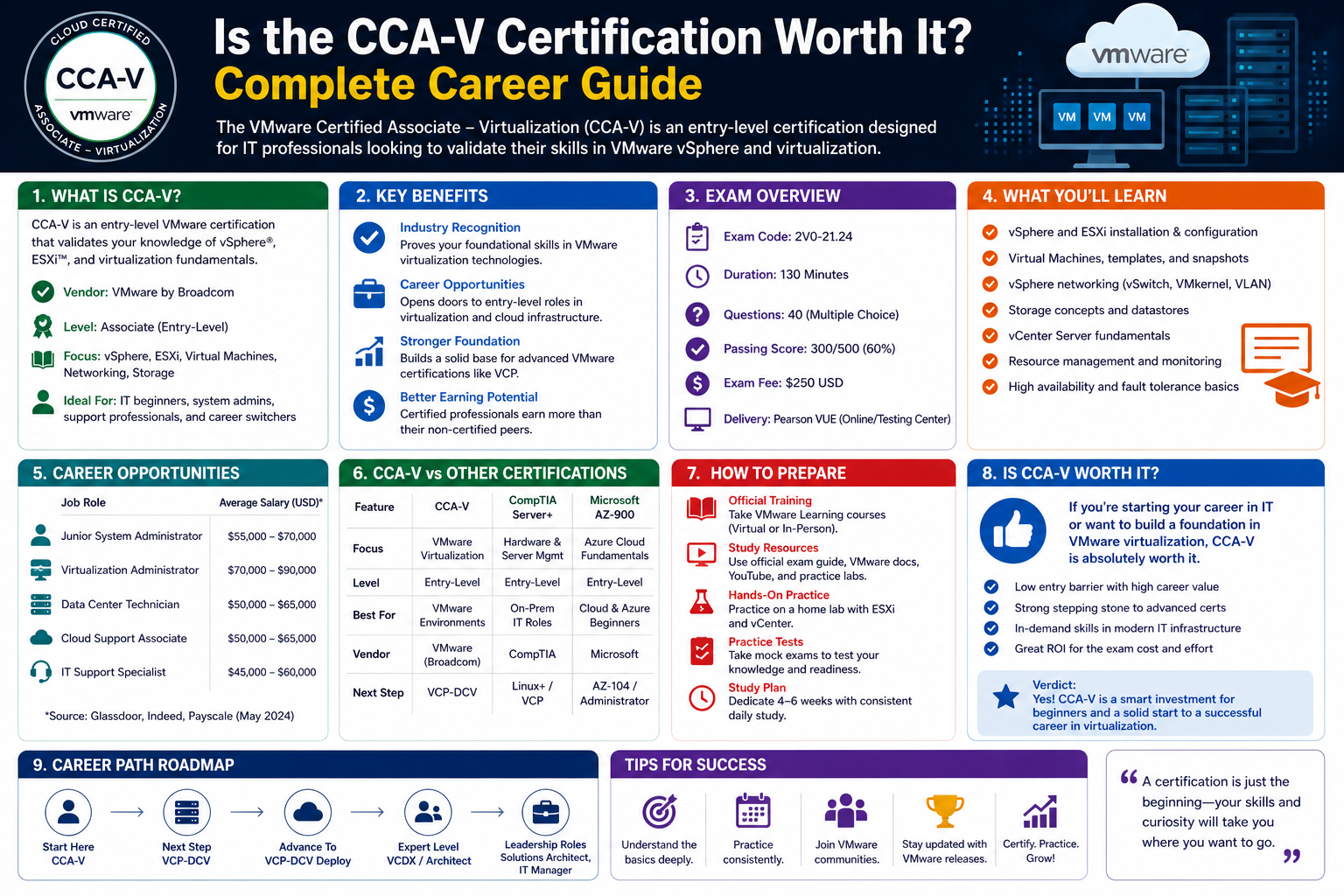
Over the past decade, the way organizations handle computing infrastructure has changed more dramatically than at almost any other point in IT history. What once required rows of physical servers, dedicated cooling systems, and large on-site data centers has increasingly shifted into virtual environments that exist across hybrid and cloud-based systems. This transformation is not just about convenience; it is fundamentally about cost efficiency, scalability, and operational speed.
High-speed internet availability has been a major catalyst behind this shift. As connectivity improved, it became possible for companies to move more of their core systems off physical hardware and into virtual platforms that can be accessed from anywhere. Instead of relying on a single physical machine for a specific task, organizations now distribute workloads across virtual machines that can be scaled up or down depending on demand. This flexibility has reshaped how IT departments operate, shifting their focus from hardware maintenance to system optimization and service delivery.
Virtualization also reduces dependency on physical infrastructure. In traditional environments, expanding capacity often meant purchasing additional servers, configuring them manually, and integrating them into existing systems. With virtualization, resources can be provisioned on demand. This allows companies to respond more quickly to business needs, whether that means onboarding new employees, launching new applications, or scaling services during peak usage periods.
However, this flexibility also introduces complexity. Virtual environments are not inherently simple; they require careful configuration, monitoring, and troubleshooting. Mismanagement can lead to performance issues, security vulnerabilities, or system downtime. As a result, organizations increasingly rely on specialized tools and skilled professionals to manage these environments effectively. This is where virtualization platforms and certifications like CCA-V become relevant in modern IT ecosystems.
The shift toward virtualization has also changed the expectations placed on IT professionals. Instead of focusing solely on physical hardware, administrators must now understand abstracted systems, network virtualization, resource allocation, and user experience optimization. This evolution has created a demand for structured learning paths and certifications that validate an individual’s ability to work in these complex environments.
Rise of the Citrix Ecosystem in Enterprise Environments
Among the various virtualization solutions available today, Citrix has established itself as one of the most widely used platforms in enterprise environments. Its technology is designed to deliver virtual applications and desktops to users regardless of their physical location, enabling organizations to centralize management while providing seamless access to end users.
The appeal of Citrix lies in its ability to simplify access to complex systems. Instead of installing applications on every individual device, companies can host them centrally and allow users to connect remotely. This not only improves security by keeping sensitive data within controlled environments but also reduces maintenance overhead. Updates, patches, and configurations can be applied centrally rather than across multiple endpoints.
Large organizations often adopt Citrix because of its scalability and reliability. In environments where thousands of users may need simultaneous access to critical applications, performance and consistency become essential. Citrix provides tools that help ensure smooth delivery of these applications, even under heavy loads. It also supports hybrid deployments, allowing companies to integrate on-premises infrastructure with cloud environments.
Despite these advantages, Citrix environments require careful administration. The system is highly capable but also layered with complexity. Administrators must understand how different components interact, including delivery controllers, virtual delivery agents, user profiles, and access gateways. Each component plays a role in ensuring that users experience stable and responsive access to their virtual desktops and applications.
As organizations increasingly rely on Citrix for business-critical operations, the need for skilled professionals who can manage these environments has grown significantly. Employers look for individuals who can not only configure systems but also troubleshoot issues, optimize performance, and ensure security compliance. This demand has contributed to the development of structured certifications such as CCA-V, which serve as benchmarks for foundational knowledge in Citrix virtualization.
Understanding CCA-V at a Foundational Level
The Citrix Certified Associate – Virtualization, commonly known as CCA-V, is designed as an entry-level certification that validates a professional’s understanding of Citrix Virtual Apps and Desktops environments. It is intended for individuals who are either new to virtualization or transitioning into roles that involve managing Citrix-based systems.
At its core, the certification focuses on foundational knowledge. This includes understanding how virtual applications and desktops are deployed, how users connect to them, and how administrators manage the overall environment. It is not designed to test highly advanced architectural design skills but rather practical operational knowledge.
One of the key aspects of CCA-V is familiarity with the Citrix interface and ecosystem. Candidates are expected to understand how different components work together to deliver a seamless user experience. This includes concepts such as resource provisioning, session management, and basic troubleshooting. The goal is to ensure that certified individuals can operate within a Citrix environment without constant supervision.
The certification also emphasizes the importance of user experience. In virtualization, technical functionality alone is not enough; systems must be responsive, stable, and accessible. A poorly configured environment can lead to slow performance, login issues, or application failures, all of which directly affect productivity. CCA-V helps ensure that administrators understand how to maintain a balanced and efficient environment.
Another important aspect of the certification is exposure to both on-premises and cloud-based Citrix deployments. Modern IT environments are rarely static, and professionals are often required to work across hybrid infrastructures. Understanding how Citrix operates in both scenarios is essential for maintaining continuity and flexibility in enterprise systems.
What Modern Administrators Are Expected to Handle in Virtual Environments
The role of an IT administrator has evolved significantly with the rise of virtualization. In traditional environments, responsibilities were often centered around physical hardware maintenance, network configuration, and basic software installation. Today, administrators working in virtualized systems must manage far more abstract and interconnected components.
One of the primary responsibilities involves managing user access to virtual desktops and applications. This includes ensuring that users can log in without issues, access required resources, and maintain consistent performance. Administrators must also monitor sessions to identify potential bottlenecks or failures that could impact user productivity.
Resource allocation is another critical area. Virtual environments rely on shared infrastructure, meaning that compute, storage, and network resources must be distributed efficiently. Administrators must ensure that no single application or user group consumes disproportionate resources, which could degrade system performance for others.
Security is also a major concern in virtualized environments. Since data is often accessed remotely, administrators must implement strict access controls, authentication mechanisms, and monitoring systems. Ensuring that only authorized users can access sensitive applications is essential for protecting organizational data.
Troubleshooting plays a central role as well. Virtual environments are complex, and issues can arise from multiple layers, including network connectivity, server performance, or configuration errors. Administrators must be able to diagnose problems quickly and identify whether the issue lies in the Citrix layer, the underlying infrastructure, or external dependencies.
Additionally, administrators are often responsible for maintaining system updates and ensuring compatibility across components. Virtual environments must remain stable even as software versions evolve. This requires careful planning and testing before applying changes to production systems.
Core Skills Reflected by CCA-V
The CCA-V certification reflects a range of foundational skills that are essential for working in Citrix environments. These skills are not limited to theoretical knowledge but extend into practical operational capabilities that administrators use in real-world scenarios.
One of the core skill areas is understanding the architecture of Citrix Virtual Apps and Desktops. This includes how different components interact to deliver applications and desktops to end users. A strong grasp of this architecture allows administrators to troubleshoot more effectively and make informed decisions when managing the environment.
Another key skill is the ability to deploy and manage virtual resources. This involves setting up application delivery, configuring desktop environments, and ensuring that users can access the tools they need. While not highly advanced, these tasks require attention to detail and familiarity with Citrix management tools.
Monitoring and maintenance are also central to the certification. Administrators must be able to track system performance, identify potential issues, and take corrective actions when necessary. This ensures that the environment remains stable and responsive under varying workloads.
Basic troubleshooting skills are heavily emphasized. In virtual environments, issues can manifest in different ways, from login failures to slow application performance. The ability to isolate problems and identify their root cause is essential for maintaining system reliability.
Finally, CCA-V reflects an understanding of user experience management. Virtualization is ultimately about delivering a seamless experience to end users, and administrators must ensure that performance remains consistent. This includes managing session behavior, optimizing resource allocation, and addressing user-reported issues effectively.
How Citrix Virtual Apps and Desktops Fit Into Enterprise Workflows
Citrix Virtual Apps and Desktops play a significant role in modern enterprise workflows by enabling centralized application delivery and remote access. Instead of relying on locally installed software, organizations can host applications on centralized servers and allow users to access them from virtually any device.
This approach simplifies IT management by reducing the need for individual software installations and updates. When an application is updated in the central environment, all users automatically access the latest version. This reduces inconsistencies and ensures that everyone is working with the same tools.
In addition to simplifying management, Citrix also enhances mobility. Employees can access their virtual desktops from different locations without losing access to their files or applications. This flexibility is particularly important in organizations that support remote or hybrid work models.
Security is another key benefit. Since data remains within the controlled environment of the data center or cloud infrastructure, there is less risk of data leakage from individual devices. Administrators can enforce centralized security policies and monitor access more effectively.
Citrix also supports scalability in enterprise workflows. As organizations grow, they can easily expand their virtual environments without significant infrastructure changes. This makes it easier to onboard new users or support additional workloads without major disruptions.
Early-Career IT Paths and Where CCA-V Fits
For individuals entering the IT field, virtualization represents one of the most valuable skill areas to develop. Many early-career professionals begin in support or junior administrative roles, where they are introduced to systems management and user support tasks.
The CCA-V certification fits naturally into this stage of career development. It provides a structured way to learn how Citrix environments function while also validating foundational skills. For those working in organizations that already use Citrix, it can serve as a practical extension of on-the-job experience.
Entry-level administrators often find themselves responsible for basic tasks such as user provisioning, session monitoring, and troubleshooting minor issues. These responsibilities align closely with the skills validated by CCA-V, making it a relevant certification for this stage of growth.
As professionals gain more experience, they may move into more advanced roles that involve system design, optimization, or cloud integration. While CCA-V is not designed for these advanced responsibilities, it provides a strong foundation that supports progression into higher-level certifications and roles.
The certification also helps individuals transition from general IT roles into specialized virtualization positions. This specialization can open opportunities in larger enterprises where Citrix environments are central to operations.
What Makes Virtualization Skills Valuable Today
Virtualization skills have become increasingly valuable due to the growing complexity of IT environments. Organizations are no longer relying on single systems or isolated applications. Instead, they operate interconnected ecosystems that span on-premises infrastructure, cloud platforms, and remote access solutions.
Professionals who understand virtualization are able to manage these environments more effectively. They can optimize performance, improve security, and ensure that users have reliable access to critical applications.
Another reason these skills are valuable is the ongoing shift toward remote and hybrid work models. Employees now expect to access systems from anywhere, and virtualization makes this possible. IT professionals who can support these environments are therefore in high demand.
Virtualization also plays a key role in cost optimization. By reducing reliance on physical hardware and enabling resource sharing, organizations can significantly reduce infrastructure costs. However, this only works effectively when systems are properly managed, further increasing the importance of skilled administrators.
As technology continues to evolve, virtualization is likely to remain a core component of enterprise IT strategies, making related skills increasingly relevant.
Common Responsibilities of Junior Citrix Administrators
Junior Citrix administrators typically begin their roles by supporting more experienced team members and handling routine operational tasks. These responsibilities provide valuable hands-on experience with virtualization environments.
One of the most common tasks involves monitoring user sessions and ensuring that applications are functioning correctly. If users experience issues, junior administrators may assist in diagnosing and resolving them.
They may also be responsible for provisioning new users and assigning access rights. This requires an understanding of organizational policies and system configurations.
Another important responsibility is assisting with system maintenance. This can include applying updates, checking system logs, and ensuring that components are functioning as expected.
Junior administrators often participate in troubleshooting efforts, helping to identify and resolve issues under the guidance of senior staff. This experience is critical for developing deeper technical expertise over time.
Preparing Mindset for Working in Citrix Environments
Working in Citrix environments requires a structured and analytical mindset. Since systems are highly interconnected, small configuration changes can have wide-ranging effects. Administrators must be detail-oriented and cautious when making adjustments.
Problem-solving skills are essential, as issues can originate from multiple layers of the infrastructure. Understanding how to isolate and analyze problems is a key part of working effectively in these environments.
Adaptability is also important. Virtualization technologies evolve, and administrators must be willing to continuously learn and adjust their approach.
Inside Citrix Virtual Apps and Desktops Architecture in Practice
Understanding Citrix Virtual Apps and Desktops at an architectural level is essential for anyone working toward or holding the CCA-V certification. While introductory knowledge explains what the platform does, real operational environments reveal how many moving parts must work together for the system to function smoothly.
At its core, a Citrix environment is built around a layered structure. Users connect through an access layer, which authenticates them and determines what resources they are allowed to use. Behind this sits the control layer, which manages brokering decisions—essentially deciding which virtual machine or application instance should be assigned to a user session. Beneath that is the resource layer, where the actual virtual desktops and applications reside.
Each of these layers depends on the others. If one component is misconfigured, users may experience login delays, session failures, or inconsistent performance. This interdependency is what makes Citrix environments powerful but also complex.
In real enterprise systems, delivery controllers act as the central intelligence. They handle authentication requests, resource allocation, and session management. Virtual Delivery Agents (VDAs) installed on virtual machines communicate with these controllers, allowing users to access desktops or applications remotely.
Another critical component is the database layer, which stores configuration data and session information. If this database becomes unavailable or corrupted, the entire environment can be disrupted. Administrators must therefore ensure redundancy and stability across all layers.
CCA-V candidates are expected to understand this architecture conceptually, but working professionals must go further and recognize how these components behave under load, during updates, or in failure scenarios.
How Session Delivery Actually Works in Real Environments
Session delivery is one of the most important processes in Citrix environments, and it is often where many operational issues originate. When a user attempts to access a virtual desktop or application, a series of behind-the-scenes actions takes place in milliseconds.
First, the user connects through a gateway or storefront interface. This entry point verifies identity and checks permissions. Once authenticated, the system communicates with the delivery controller to determine which resource should be assigned.
The controller then evaluates available machines based on load, availability, and predefined policies. Once a suitable resource is identified, a connection is established between the user and the virtual machine through the Virtual Delivery Agent.
From the user’s perspective, this process feels instantaneous, but in reality, it involves multiple system checks and communication exchanges. Any delay or failure in this chain can result in login issues or slow session launches.
In production environments, administrators often deal with challenges such as slow logon times, session freezes, or disconnected sessions. These issues can stem from profile loading delays, network latency, or resource contention.
Understanding the session lifecycle is essential for CCA-V-level professionals because it forms the basis of most troubleshooting activities. Knowing where a session is in its lifecycle helps narrow down potential issues quickly.
Citrix Cloud Migration and Hybrid Deployment Models
Modern organizations are increasingly moving toward hybrid or fully cloud-based Citrix deployments. Instead of relying entirely on on-premises infrastructure, they integrate cloud services to improve scalability and reduce maintenance overhead.
In a hybrid model, some components remain on-site while others are hosted in cloud environments. For example, delivery controllers or databases may remain on-premises, while virtual desktops are hosted in cloud infrastructure. This approach allows organizations to gradually transition without disrupting existing operations.
Citrix Cloud simplifies many administrative tasks by centralizing management functions. Instead of maintaining full infrastructure stacks, administrators interact with cloud-based control planes that handle brokering and management.
However, hybrid environments introduce new complexities. Network latency, identity synchronization, and resource distribution must be carefully managed. Administrators must ensure that communication between cloud and on-premises components remains stable and secure.
CCA-V candidates are often introduced to basic concepts of cloud integration, but real-world environments require a deeper understanding. Administrators must be able to identify whether issues originate from cloud services, local infrastructure, or connectivity layers.
Migration to cloud environments is not just a technical shift; it is also an operational one. Teams must adapt to new monitoring tools, security frameworks, and deployment strategies.
Day-to-Day Responsibilities of CCA-V Level Administrators
Professionals at the CCA-V level typically operate in support or junior administration roles within IT teams. Their daily responsibilities revolve around maintaining system stability and assisting users with access to virtual environments.
One of the most common tasks involves monitoring system health. This includes checking server performance, reviewing session logs, and ensuring that all components are functioning properly. Administrators often use management consoles to observe real-time system behavior.
User support is another major responsibility. When users experience login issues or application errors, CCA-V-level administrators are often the first point of contact. They must be able to diagnose basic problems and escalate more complex issues when necessary.
Resource provisioning is also part of daily operations. This includes assigning virtual desktops to new users, adjusting access permissions, and ensuring that resources align with organizational policies.
Routine maintenance tasks may include updating virtual machine images, applying patches, and verifying system backups. These tasks are critical for maintaining system reliability and security.
Although these responsibilities may seem straightforward, they require a solid understanding of how Citrix environments operate. Small configuration mistakes can have widespread effects, making attention to detail extremely important.
Troubleshooting Methodology in Virtual Desktop Environments
Troubleshooting in Citrix environments requires a structured approach rather than random trial and error. Because multiple layers are involved, administrators must isolate problems systematically.
The first step is identifying the scope of the issue. Is the problem affecting a single user, a group of users, or the entire environment? This helps determine whether the issue is local or systemic.
Next, administrators examine session logs and system metrics. These logs often reveal whether authentication, resource allocation, or connectivity is failing.
If the issue appears to be session-related, administrators may investigate profile loading, logon duration, or application launch failures. If the problem is network-related, they may analyze latency or packet loss between components.
Another important aspect of troubleshooting is understanding dependencies. For example, a login failure might not be caused by Citrix itself but by Active Directory authentication issues or DNS misconfigurations.
CCA-V-level professionals are expected to handle basic troubleshooting independently. However, more complex issues require collaboration with senior engineers who can analyze deeper system interactions.
The key to effective troubleshooting is narrowing down possibilities step by step rather than making assumptions.
Performance Optimization and Resource Management Strategies
Performance optimization is a critical part of maintaining Citrix environments. Even if systems are functioning correctly, poor performance can significantly impact user experience.
One of the main areas of focus is resource allocation. Virtual machines share underlying hardware resources such as CPU, memory, and storage. If these resources are not properly distributed, some users may experience slow performance while others consume excessive capacity.
Administrators must monitor resource usage patterns and adjust allocations accordingly. This may involve balancing workloads across multiple servers or adjusting policies that govern resource limits.
Another important factor is session responsiveness. Applications must launch quickly and remain responsive throughout the session. Delays can occur due to overloaded servers, inefficient configurations, or network congestion.
Profile management also plays a role in performance. Large or poorly optimized user profiles can slow down login times and increase system load. Administrators must ensure that profiles are streamlined and efficiently managed.
Caching strategies and load-balancing mechanisms are often used to improve performance. These techniques help distribute traffic evenly and reduce bottlenecks.
CCA-V professionals are expected to understand these concepts at a foundational level and apply them in routine system management tasks.
Security Layers in Citrix-Based Infrastructure
Security is a fundamental concern in any virtualization environment. Citrix systems are designed with multiple layers of protection to ensure that only authorized users can access sensitive resources.
Authentication is the first layer of security. Users must verify their identity before accessing any virtual applications or desktops. This is typically integrated with directory services that manage user credentials.
After authentication, authorization policies determine what resources a user can access. These policies ensure that users only interact with systems relevant to their role.
Network security is another important layer. Connections between users and virtual machines are often encrypted to prevent unauthorized access or data interception.
Session isolation ensures that user environments remain separate from one another. This prevents cross-session interference and protects data integrity.
Administrators also implement monitoring tools to detect unusual activity. This includes tracking login attempts, session behavior, and system changes.
Security in Citrix environments is not static. It requires continuous monitoring and updates to respond to emerging threats and vulnerabilities.
Real-World Scenarios Faced by Entry-Level Citrix Professionals
Entry-level Citrix professionals often encounter a variety of practical scenarios that test their understanding of virtualization environments.
One common scenario involves users being unable to log in due to authentication delays. In such cases, administrators must determine whether the issue lies with identity services, network connectivity, or Citrix configuration.
Another frequent issue is slow application performance. This may be caused by overloaded servers, insufficient resources, or inefficient profile management.
Session disconnections are also common. These can result from network instability, policy misconfigurations, or infrastructure failures.
Administrators may also face issues during system updates, where changes cause unexpected behavior in virtual environments. In such cases, rollback procedures or configuration adjustments may be required.
These scenarios highlight the importance of practical experience. While theoretical knowledge is essential, real-world problem-solving is what truly develops competence in Citrix administration.
How Employers Evaluate CCA-V Candidates in Hiring Decisions
Employers view the CCA-V certification as an indicator of foundational knowledge in Citrix environments. However, it is rarely the sole factor in hiring decisions.
Recruiters often look for candidates who demonstrate both certification and practical experience. The CCA-V signals that an individual understands core concepts, but employers also want evidence of hands-on ability.
During interviews, candidates may be asked about troubleshooting approaches, system architecture understanding, or real-world problem-solving experiences. The ability to explain processes clearly is often just as important as technical knowledge.
Employers also consider how well candidates understand enterprise environments. Those who can connect theoretical knowledge to practical applications are often more competitive.
In organizations that rely heavily on Citrix, the certification may be considered a strong advantage, especially for junior roles. It demonstrates commitment to the platform and readiness to work in structured environments.
Skill Progression Path Beyond CCA-V
After achieving CCA-V-level competence, professionals typically move toward more advanced responsibilities within Citrix environments. This progression involves a deeper understanding of system design, optimization, and cloud integration.
At this stage, administrators begin working with more complex configurations and larger-scale deployments. They may also take on responsibilities related to system architecture or performance tuning.
Experience becomes increasingly important as professionals advance. Real-world exposure to system failures, performance issues, and deployment challenges helps build the expertise needed for higher-level roles.
As skills develop, professionals may work with hybrid cloud environments, advanced automation tools, and enterprise-scale infrastructure designs. This progression represents a shift from operational support to strategic system management.
Building Practical Readiness for Citrix Environments
Developing readiness for working in Citrix environments is less about memorizing terms and more about understanding how systems behave when users interact with them in real time. Virtualization platforms are dynamic, meaning performance and behavior can shift depending on user load, configuration changes, and infrastructure health. For someone preparing at a CCA-V level, the focus is on building familiarity with these patterns so that day-to-day tasks feel predictable rather than overwhelming.
Practical readiness begins with understanding how users experience the system. A login screen, for example, is only the visible surface of a much deeper process involving authentication, resource allocation, session creation, and profile loading. Each step introduces potential points of delay or failure. When learners begin to think in terms of system flow rather than isolated features, they start developing a more operational mindset.
Another important aspect is recognizing how administrative actions translate into user impact. Adjusting a policy, modifying a resource setting, or changing a delivery configuration may seem minor, but each action can influence how quickly applications launch or how stable sessions remain. Building awareness of this cause-and-effect relationship is essential for working confidently in Citrix environments.
Many entry-level professionals also benefit from repeatedly observing system behavior under normal and stressed conditions. When systems are lightly loaded, everything may appear seamless. However, during peak usage, hidden inefficiencies become more visible. Learning to identify these shifts early helps administrators respond proactively rather than reactively.
How to Approach the CCA-V Exam Strategically
Approaching the CCA-V certification effectively requires a structured mindset that balances conceptual understanding with practical familiarity. Since the exam is designed to assess foundational knowledge, success depends on clarity rather than depth of specialization.
A strategic approach begins with breaking down the environment into functional areas rather than studying it as a single system. Instead of viewing Citrix as one large platform, it becomes easier to understand when divided into access mechanisms, resource delivery, session handling, and system monitoring. This mental segmentation helps organize information more effectively.
Another key strategy is focusing on how components interact rather than isolating them. For example, understanding how user authentication connects to resource brokering is more valuable than simply knowing what each component does independently. This interconnected perspective aligns more closely with how real systems operate.
Time management also plays a role in the preparation strategy. Since the exam is structured within a limited timeframe, candidates benefit from developing the ability to quickly interpret scenarios and identify likely causes of issues. This skill mirrors real-world troubleshooting, where delays in decision-making can affect user productivity.
It is also important to prioritize understanding over memorization. Virtual environments are flexible and can be configured in different ways depending on organizational needs. A rigid memorization-based approach often fails when applied to slightly different real-world configurations.
Common Mistakes Candidates Make During Preparation
Many individuals preparing for Citrix-related certifications encounter similar challenges that slow their progress. One of the most common mistakes is focusing too heavily on isolated features without understanding how they connect to the broader system. This leads to fragmented knowledge that is difficult to apply in practical situations.
Another frequent issue is underestimating the importance of user experience. Some learners concentrate entirely on backend components while ignoring how those components influence session performance. In real environments, user experience is often the most important metric for system success.
A third mistake involves neglecting troubleshooting logic. Instead of developing a step-by-step approach to identifying issues, some candidates rely on guesswork or memorized solutions. This approach is ineffective in dynamic environments where problems rarely appear in identical forms.
There is also a tendency to overlook the importance of system monitoring. Without understanding how to interpret performance data, logs, and system indicators, it becomes difficult to identify emerging issues before they escalate.
Finally, some learners rush through preparation without spending enough time observing system behavior. Virtualization concepts become significantly easier to understand when they are seen in action rather than studied only in theory.
Bridging Theory with Hands-On Practice in Virtual Environments
One of the most effective ways to develop competence in Citrix environments is through hands-on interaction with virtual systems. Theory provides the foundation, but practical experience builds intuition.
Working with virtual environments allows learners to observe how configurations affect system behavior. For example, adjusting resource allocation settings can immediately influence application responsiveness. These real-time feedback loops help reinforce conceptual understanding.
Hands-on practice also helps develop troubleshooting instincts. When issues occur in a controlled environment, learners can experiment with different solutions and observe outcomes without risk. This iterative process strengthens problem-solving ability over time.
Another advantage of practical exposure is familiarity with administrative interfaces. Virtualization platforms often contain multiple dashboards, configuration panels, and monitoring tools. Regular interaction reduces cognitive load when navigating these systems under pressure.
Additionally, hands-on practice encourages exploration. Instead of relying solely on predefined instructions, learners begin to ask questions about why systems behave a certain way. This curiosity-driven approach leads to a deeper understanding.
Over time, practical experience transforms abstract concepts into intuitive knowledge. Tasks that initially seem complex gradually become routine as patterns become recognizable.
How CCA-V Influences Career Mobility in IT Teams
The CCA-V certification plays a meaningful role in shaping early career mobility within IT teams. While it does not guarantee advancement on its own, it signals readiness to handle virtualization responsibilities in structured environments.
For individuals starting in support or junior administrative roles, the certification often serves as a bridge into more specialized positions. It demonstrates familiarity with enterprise-level virtualization tools and shows that the individual has invested effort into understanding complex systems.
Within IT teams, professionals who understand Citrix environments are often assigned more critical responsibilities over time. This may include managing larger user groups, handling more sensitive configurations, or participating in system optimization tasks.
Career mobility is also influenced by the ability to work across different systems. Citrix environments rarely exist in isolation; they often integrate with identity management systems, networking infrastructure, and cloud platforms. Professionals who understand these interactions tend to move more quickly into broader system administration roles.
In some cases, CCA-V-level knowledge also serves as a stepping stone into cloud-focused careers. Since virtualization concepts overlap with cloud infrastructure principles, the skills developed during preparation can transfer into other areas of IT.
Comparing Foundational Virtualization Certifications in Perspective
Within the broader IT landscape, several entry-level certifications exist that focus on virtualization and infrastructure management. While each has its own emphasis, they generally share a common goal of validating foundational knowledge.
CCA-V stands out due to its specific focus on Citrix environments. This specialization makes it particularly valuable in organizations that rely heavily on Citrix for application delivery and desktop virtualization. Unlike more general certifications, it emphasizes real-world operational tasks within a specific ecosystem.
Other foundational certifications may focus more broadly on virtualization concepts or cloud infrastructure without concentrating on a single vendor. These tend to provide wider conceptual coverage but may lack the depth required for specific enterprise platforms.
The choice between specialized and general certifications often depends on career direction. Individuals aiming to work in environments that already use Citrix benefit more from focused knowledge, while those seeking broader infrastructure roles may prefer more generalized foundations.
What makes CCA-V particularly relevant is its direct alignment with enterprise workflows. It is not purely theoretical; it is closely tied to operational tasks that administrators perform daily in Citrix-based systems.
Demand Trends for Virtualization Skills in Modern Enterprises
Virtualization continues to play a central role in modern enterprise IT strategies. As organizations expand their digital infrastructure, the need for scalable, efficient, and remotely accessible systems grows.
One of the main drivers of demand is the increasing reliance on remote work models. Employees expect consistent access to applications regardless of location, and virtualization provides the backbone for this capability.
Another factor is cost optimization. Maintaining physical infrastructure for every application or user is no longer practical for most organizations. Virtualization allows resources to be shared and dynamically allocated, reducing overall operational costs.
Security concerns also contribute to demand. Centralized environments are easier to monitor and protect compared to distributed physical systems. This makes virtualization an attractive option for organizations handling sensitive data.
As these trends continue, professionals who understand virtualization platforms remain highly relevant in IT ecosystems. Even as technologies evolve, the core principles of resource management, session delivery, and system monitoring remain essential.
Long-Term Skill Development After Achieving Foundational Certification
Achieving a foundational certification like CCA-V is not the end of skill development but rather the beginning of a more structured learning path. After gaining initial competence, professionals typically expand their knowledge into more advanced areas of system design and optimization.
One natural progression involves learning how to manage larger and more complex environments. This includes handling multi-site deployments, optimizing performance across distributed systems, and integrating virtualization with cloud infrastructure.
Another area of development is automation. As environments grow, manual management becomes inefficient. Learning how to automate routine administrative tasks helps improve consistency and reduce operational overhead.
Professionals also begin to develop deeper troubleshooting expertise. Instead of resolving basic issues, they start analyzing complex system interactions that involve multiple layers of infrastructure.
Over time, this progression leads to broader architectural understanding. Instead of focusing solely on operational tasks, professionals begin to influence system design decisions and long-term infrastructure planning.
Evaluating Alignment Between Certification and Career Direction
Whether CCA-V aligns with a professional’s career direction depends on the type of IT path they are pursuing. For those working directly with Citrix environments, it provides highly relevant foundational knowledge that translates into immediate job responsibilities.
For individuals in general IT support roles, it can serve as a valuable specialization that opens doors to more focused administrative positions. It helps transition from generalist roles into more structured infrastructure responsibilities.
For professionals aiming toward cloud architecture or enterprise system design, the certification may serve as a stepping stone rather than a final goal. The concepts learned still apply, but additional skills will be required for advanced roles.
In environments where virtualization is central to operations, the certification aligns closely with day-to-day responsibilities. In such cases, it supports both operational efficiency and career progression by reinforcing essential technical understanding.
Ultimately, its value is closely tied to context. The more a professional’s role intersects with virtual desktop infrastructure, the more relevant the certification becomes in shaping both skills and opportunities.
Conclusion
The CCA-V certification represents a practical entry point into the world of Citrix virtualization, where modern IT infrastructure increasingly depends on centralized application delivery and virtual desktop environments. As organizations continue shifting away from traditional hardware-based systems toward flexible, cloud-integrated architectures, the demand for professionals who understand how these environments operate remains steady.
At its core, the value of CCA-V lies in its focus on foundational skills. It does not attempt to make someone an expert in advanced system design or enterprise architecture. Instead, it ensures that individuals understand how Citrix Virtual Apps and Desktops function, how users connect to resources, and how administrators maintain system stability. These are the essential building blocks of virtualization that work in real enterprise environments.
For early-career IT professionals, the certification can serve as a structured introduction to complex systems that might otherwise feel overwhelming. It helps translate abstract concepts like session delivery, resource allocation, and profile management into practical operational understanding. This makes it easier to transition into hands-on administrative roles where such knowledge is applied daily.
Its relevance, however, is closely tied to the environment in which it is used. In organizations that rely heavily on Citrix, it becomes a highly practical credential that supports both job readiness and career growth. In other contexts, it may function more as a stepping stone toward broader infrastructure or cloud-focused roles.
Ultimately, CCA-V is most valuable when viewed as part of a learning journey rather than an endpoint. It builds the foundation for deeper technical expertise and prepares professionals for the evolving demands of virtualization-driven IT systems.