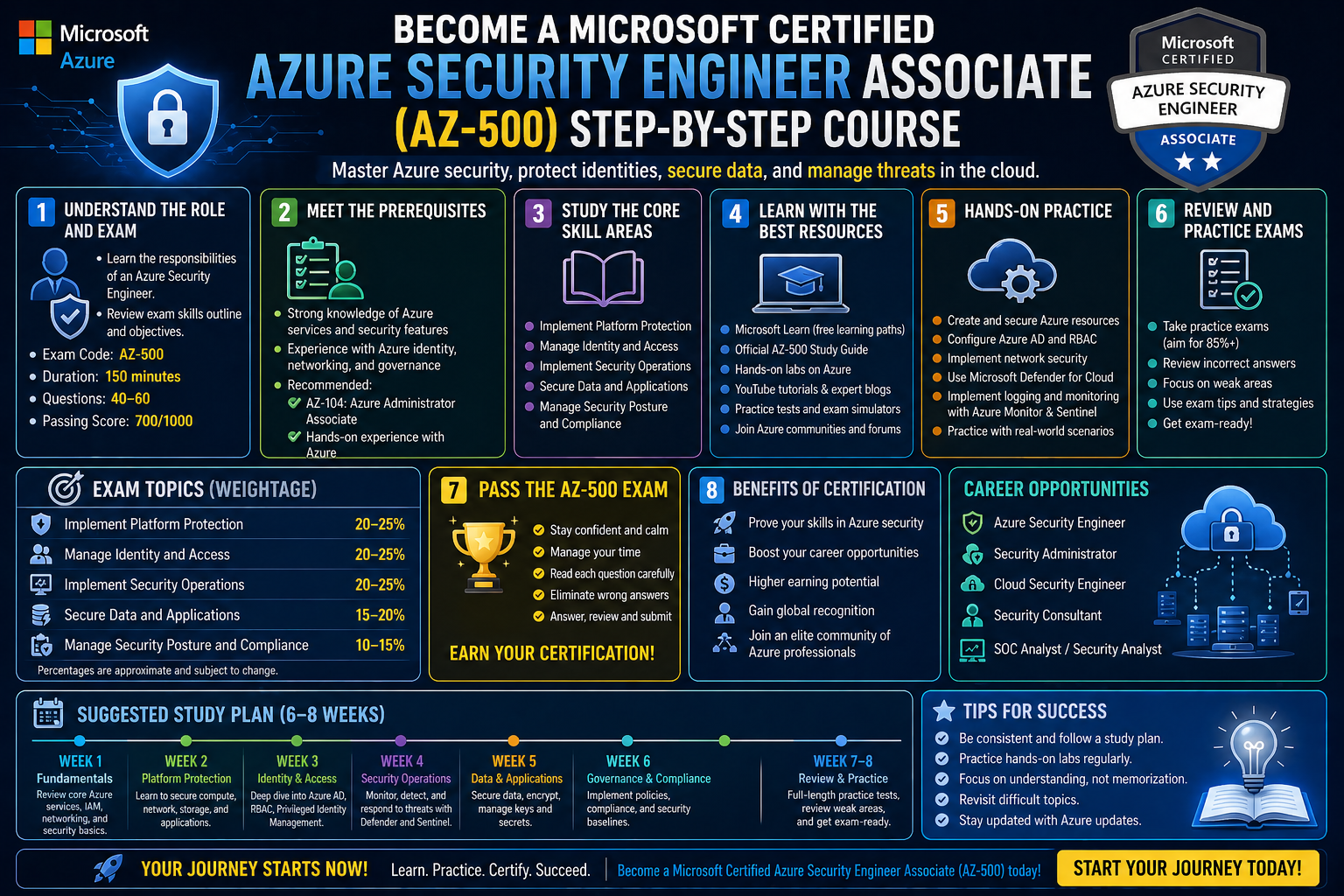
The rapid expansion of cloud computing has reshaped how organizations build, deploy, and manage their digital infrastructure. Traditional on-premises systems are no longer the default choice for businesses that want flexibility, scalability, and operational efficiency. Instead, cloud platforms have become the foundation of modern IT strategies, supporting everything from application hosting to data analytics and enterprise resource planning.
As more organizations migrate their workloads to cloud environments, security becomes a central concern rather than an afterthought. The distributed nature of cloud systems introduces new risks that differ significantly from traditional infrastructure. Data is no longer confined within a single physical location, and access points extend across global networks. This shift creates a broader attack surface that requires specialized knowledge to manage effectively.
Security engineers working in cloud environments must understand how shared responsibility models operate. In these models, cloud providers handle the security of the infrastructure, while customers remain responsible for securing their own data, configurations, identities, and applications. This division of responsibility often leads to misunderstandings, making it essential for security professionals to clearly define and implement protective measures within their control.
Another factor driving the importance of cloud security is the increasing sophistication of cyber threats. Attackers are no longer relying on simple exploits. Instead, they use advanced techniques such as credential theft, phishing campaigns, and automated scanning tools to identify vulnerabilities in cloud configurations. Misconfigured storage accounts, weak identity controls, and exposed APIs are common entry points for unauthorized access.
The growing reliance on remote work has also expanded the need for robust cloud security. Employees now access corporate resources from multiple locations and devices, often outside traditional network boundaries. This shift demands stronger authentication mechanisms and continuous monitoring to ensure that only authorized users can access sensitive systems.
Organizations are also under pressure to comply with regulatory requirements that govern data protection and privacy. These regulations require strict control over how data is stored, accessed, and transmitted. Cloud environments must be configured in ways that align with these standards, adding another layer of complexity for security engineers.
In this evolving landscape, the role of cloud security engineers has become essential. These professionals are responsible for designing and implementing security controls that protect cloud-based systems from unauthorized access and potential breaches. Their work involves not only technical configuration but also strategic planning to anticipate and mitigate risks before they materialize.
As cloud adoption continues to grow, the demand for skilled security engineers is expected to increase significantly. Organizations are actively seeking individuals who can bridge the gap between cloud technology and cybersecurity principles. This demand highlights the importance of developing a strong foundation in cloud security concepts, particularly within widely used platforms that support enterprise operations.
Understanding Azure Security Landscape Fundamentals
The security architecture within Microsoft Azure is built on a layered framework designed to protect resources at multiple levels. This framework includes identity management, network security, data protection, and threat detection capabilities. Each layer plays a specific role in ensuring that cloud environments remain secure, resilient, and compliant with organizational policies.
At the core of Azure security is the concept of identity as the primary security boundary. Unlike traditional systems, where network location determines access, cloud environments rely heavily on identity verification. This means that every request to access resources must be authenticated and authorized based on user identity, device status, and contextual factors such as location or behavior patterns.
Azure provides a centralized identity service that allows organizations to manage user accounts, roles, and permissions. This system ensures that access is granted based on the principle of least privilege, meaning users receive only the permissions necessary to perform their tasks. By limiting access in this way, organizations reduce the risk of accidental or malicious actions affecting critical systems.
Another important aspect of Azure’s security landscape is resource segmentation. Cloud environments are structured using subscriptions, resource groups, and individual resources. This hierarchical structure allows administrators to apply security policies at different levels, ensuring consistent enforcement across the environment. It also helps isolate workloads, reducing the potential impact of security incidents.
Azure security also includes built-in monitoring and analytics capabilities. These tools continuously collect and analyze data from cloud resources to identify unusual activity or potential threats. By using behavioral analysis and machine learning, the system can detect patterns that may indicate a security breach, such as abnormal login attempts or unexpected data transfers.
Encryption plays a key role in protecting data within Azure. Data is secured both at rest and in transit using industry-standard encryption protocols. This ensures that even if data is intercepted or accessed without authorization, it remains unreadable without the appropriate decryption keys.
Another fundamental element of Azure security is policy enforcement. Organizations can define rules that govern how resources are created and configured. These policies help prevent insecure configurations and ensure compliance with internal and external standards. For example, policies can restrict the creation of publicly accessible storage or enforce encryption on all new resources.
Understanding these foundational elements is essential for anyone working in cloud security. They form the basis for more advanced security strategies and provide the structure needed to build secure and scalable cloud environments.
Identity and Access Management Principles in Azure Environments
Identity and access management is one of the most critical components of cloud security. In Azure environments, identity serves as the primary control point for determining who can access resources and what actions they are allowed to perform. This approach shifts security away from network boundaries and places it at the level of individual users and services.
A key principle in identity management is authentication, which verifies the identity of users or systems attempting to access resources. Azure uses modern authentication methods that go beyond traditional passwords. These methods often include multi-factor authentication, which requires additional verification steps such as mobile device approval or biometric confirmation.
Authorization is another essential principle that determines what authenticated users are allowed to do. In Azure, access permissions are assigned through roles that define specific actions on resources. These roles can be broadly defined or highly granular, depending on organizational requirements. By carefully assigning roles, organizations ensure that users only have access to the resources necessary for their responsibilities.
Conditional access is an advanced feature that enhances identity security by applying contextual rules to access decisions. These rules evaluate factors such as user location, device compliance, and sign-in risk level. Based on this evaluation, access may be granted, restricted, or blocked entirely. This dynamic approach helps prevent unauthorized access even if credentials are compromised.
Privileged access management is another important aspect of identity security. Administrative accounts with elevated permissions are often targeted by attackers because they provide broad access to systems. To reduce this risk, access to privileged accounts is tightly controlled and monitored. Temporary access mechanisms are often used to ensure that elevated permissions are only granted when needed and for limited durations.
Identity lifecycle management is also essential in maintaining security. As employees join, move within, or leave an organization, their access rights must be updated accordingly. Failure to manage this lifecycle effectively can result in orphaned accounts or excessive permissions, both of which create security vulnerabilities.
Service identities are used to manage access for applications and automated processes. These identities allow services to interact with cloud resources without relying on human credentials. Proper management of service identities is critical to prevent unauthorized system-to-system access.
By implementing strong identity and access management practices, organizations can significantly reduce the risk of unauthorized access and improve their overall security posture in cloud environments.
Securing Network Architecture in Cloud Ecosystems
Network security in cloud environments differs significantly from traditional perimeter-based security models. In cloud systems, resources are distributed across virtual networks that span multiple locations and services. This requires a more flexible and layered approach to securing network traffic and communication paths.
Virtual networks form the foundation of network architecture in Azure. These networks allow organizations to create isolated environments where resources can communicate securely. Within these networks, segmentation is used to divide workloads into smaller, more manageable sections. This reduces the risk of lateral movement in the event of a security breach.
Network security groups play a key role in controlling traffic flow between resources. These groups define rules that allow or deny traffic based on factors such as source, destination, and port. By carefully configuring these rules, organizations can restrict unnecessary communication and reduce exposure to potential threats.
Another important aspect of network security is the use of private connectivity. Instead of exposing resources directly to the public internet, private connections allow secure communication between services within the cloud environment or between cloud and on-premises systems. This reduces the attack surface and improves data protection.
Firewall solutions in cloud environments provide centralized control over network traffic. These firewalls can inspect incoming and outgoing traffic, apply filtering rules, and block malicious activity. They also support advanced features such as threat intelligence integration, which helps identify and block known malicious sources.
Encryption of network traffic ensures that data remains secure while being transmitted between systems. Secure communication protocols are used to protect data from interception and tampering during transit. This is especially important for sensitive information such as authentication credentials and personal data.
Monitoring network activity is also essential for detecting potential security incidents. Continuous analysis of traffic patterns can reveal anomalies that may indicate unauthorized access or malicious behavior. Early detection allows security teams to respond quickly and minimize potential damage.
By implementing strong network security controls, organizations can ensure that cloud-based systems remain protected against external and internal threats while maintaining efficient communication between services.
Protecting Data at Rest and in Transit in Azure
Data protection is a fundamental aspect of cloud security, focusing on safeguarding information both when it is stored and when it is being transmitted. In cloud environments, data is often distributed across multiple storage systems, making consistent protection essential.
Data at rest refers to information stored in databases, storage accounts, and other persistent systems. Protecting this data involves encryption, access control, and secure storage configurations. Encryption ensures that stored data remains unreadable without proper authorization keys. Even if physical storage is compromised, encrypted data cannot be easily accessed.
Access control mechanisms determine who can view or modify stored data. These controls are based on identity and role assignments, ensuring that only authorized users can interact with sensitive information. Proper configuration of access permissions is critical to prevent unauthorized data exposure.
Data in transit refers to information moving between systems, such as between applications, services, or users. This data is vulnerable to interception if not properly secured. Encryption protocols are used to protect data during transmission, ensuring that it cannot be read or altered by unauthorized parties.
Key management is another important aspect of data protection. Encryption keys must be securely stored and managed to prevent unauthorized access. Improper key management can undermine even the strongest encryption methods, making it essential to follow strict governance practices.
Backup and recovery strategies also contribute to data protection. Regular backups ensure that data can be restored in the event of accidental deletion, corruption, or cyberattacks. Secure backup storage and recovery planning are essential components of a resilient cloud security strategy.
Data classification helps organizations identify and categorize information based on sensitivity levels. This classification allows for tailored security controls depending on the importance of the data. Highly sensitive data may require stricter encryption and access policies compared to general information.
By implementing comprehensive data protection strategies, organizations can ensure the confidentiality, integrity, and availability of their information assets within cloud environments.
Evolution of Security Operations in Cloud-First Environments
Security operations have undergone a significant transformation as organizations shift from traditional infrastructure to cloud-first environments. In earlier computing models, security teams primarily focused on defending static network perimeters and physical data centers. Monitoring tools were designed to track activity within well-defined boundaries, and security responses were often manual and reactive.
In cloud environments, this traditional model is no longer sufficient. Resources are dynamic, scalable, and distributed across multiple regions. Systems can be created or removed within minutes, which means security teams must operate in an environment where change is constant. This requires a shift from reactive practices to continuous and adaptive security operations.
Modern security operations in cloud environments rely heavily on real-time visibility. Instead of waiting for scheduled reports or manual audits, security teams continuously monitor system behavior to detect anomalies as they occur. This approach allows for faster identification of potential threats and reduces the time between detection and response.
Automation also plays a critical role in evolving security operations. Many routine security tasks, such as alert triaging and log analysis, can be automated to reduce human workload and improve response speed. Automated systems can analyze large volumes of data far more efficiently than manual processes, enabling security teams to focus on higher-level decision-making.
Another important shift is the integration of security into operational workflows. Rather than treating security as a separate function, it is now embedded into every stage of system management. This includes deployment, configuration, monitoring, and maintenance. By integrating security throughout the lifecycle, organizations reduce the likelihood of misconfigurations and vulnerabilities.
Security operations teams must also adapt to the shared responsibility model of cloud computing. While cloud providers manage infrastructure security, organizations are responsible for securing their own configurations, identities, and data. This requires a clear understanding of responsibilities and coordinated efforts between different teams.
As cloud environments continue to evolve, security operations must remain flexible, data-driven, and proactive. The ability to quickly adapt to new threats and changing infrastructure is now a core requirement for effective cloud security management.
Threat Detection and Intelligence in the Azure Ecosystem
Threat detection in cloud environments is a complex process that involves identifying unusual behavior, potential vulnerabilities, and malicious activity across distributed systems. In Azure ecosystems, threat detection is built on advanced analytics, behavioral modeling, and real-time monitoring capabilities.
One of the key components of threat detection is behavioral analysis. Instead of relying solely on known threat signatures, systems analyze patterns of activity to identify deviations from normal behavior. For example, unusual login attempts, unexpected data transfers, or irregular resource usage may indicate a potential security incident.
Threat intelligence plays a crucial role in enhancing detection capabilities. By analyzing global security data, systems can identify known malicious sources and emerging attack patterns. This intelligence is continuously updated, allowing security systems to adapt to new threats as they emerge.
Another important aspect is the correlation of security events. Individual alerts may not always indicate a serious issue, but when combined with other related events, they can reveal a broader attack pattern. Correlation helps security teams understand the context of incidents and prioritize their response accordingly.
Machine learning models are also used to improve detection accuracy. These models learn from historical data and continuously refine their understanding of normal and abnormal behavior. Over time, this improves the system’s ability to detect subtle and complex threats that might otherwise go unnoticed.
Threat detection systems also monitor identity activity, network traffic, and resource configuration changes. By analyzing these different data sources together, security teams gain a comprehensive view of the environment and can detect multi-stage attacks that span different components.
Early detection is critical in preventing security breaches from escalating. The faster a threat is identified, the more effectively it can be contained. This makes continuous monitoring and intelligent detection essential components of cloud security strategies.
Monitoring and Logging for Security Visibility
Visibility is a fundamental requirement for maintaining security in cloud environments. Without proper monitoring and logging, it becomes extremely difficult to detect, investigate, or respond to security incidents. Cloud systems generate vast amounts of data, and organizing this information effectively is essential for security operations.
Monitoring systems continuously track the performance, activity, and health of cloud resources. This includes tracking user actions, system events, and application behavior. By collecting this information in real time, organizations can quickly identify unusual activity that may indicate a security issue.
Logging is closely related to monitoring but focuses on recording detailed information about system events. Logs provide a historical record of actions taken within the environment, including authentication attempts, configuration changes, and data access activities. These records are essential for forensic analysis and incident investigation.
Centralized logging systems are used to aggregate data from multiple sources into a single location. This allows security teams to analyze activity across the entire environment rather than reviewing isolated components. Centralization improves efficiency and helps identify patterns that may not be visible in individual logs.
Alerting mechanisms are built on top of monitoring and logging systems. When specific conditions are met, such as repeated failed login attempts or unauthorized access attempts, alerts are generated to notify security teams. These alerts help ensure that potential threats are addressed quickly.
Another important aspect of monitoring is baseline behavior analysis. By understanding what normal system behavior looks like, security tools can more easily identify deviations. This baseline is continuously updated as systems evolve and workloads change.
Long-term log retention is also important for compliance and investigation purposes. Organizations often need to maintain historical records of system activity to meet regulatory requirements or investigate past incidents.
Effective monitoring and logging provide the foundation for all other security activities. Without visibility into system behavior, it becomes impossible to manage risk or respond effectively to threats.
Security Governance and Policy Enforcement at Scale
Security governance in cloud environments involves defining, implementing, and enforcing rules that control how resources are created and managed. As organizations scale their cloud usage, maintaining consistent security policies becomes increasingly important.
Policy enforcement ensures that resources comply with organizational standards from the moment they are created. These policies can define requirements such as encryption settings, network configurations, or access restrictions. By enforcing these rules automatically, organizations reduce the risk of human error.
Governance frameworks also help maintain consistency across multiple environments. In large organizations, different teams may manage different workloads, making it difficult to maintain uniform security standards. Governance tools help enforce centralized control while still allowing flexibility for individual teams.
Another important aspect of governance is auditing and compliance tracking. Organizations must be able to demonstrate that their systems meet regulatory requirements. Governance tools provide visibility into configuration states and help generate evidence of compliance.
Tagging strategies are often used to organize and manage resources effectively. By assigning metadata to resources, organizations can categorize systems based on ownership, environment, or sensitivity level. This makes it easier to apply policies and track resource usage.
Policy inheritance allows rules to be applied at different levels of the environment hierarchy. For example, policies defined at a high level can automatically apply to all underlying resources. This ensures consistent enforcement without requiring manual configuration for each resource.
Governance also includes change management processes. Any modifications to critical systems should be reviewed and controlled to prevent unintended security impacts. Structured change management helps maintain stability and reduce risk.
By implementing strong governance practices, organizations can ensure that security policies are consistently applied across all cloud resources, regardless of scale or complexity.
Advanced Key Management and Cryptographic Controls
Cryptographic controls are essential for protecting sensitive information in cloud environments. Encryption ensures that data remains secure both when stored and when transmitted between systems. However, the effectiveness of encryption depends heavily on how encryption keys are managed.
Key management involves generating, storing, rotating, and protecting cryptographic keys. If keys are not properly secured, encrypted data can be exposed, rendering encryption ineffective. Therefore, key management systems are designed with strict access controls and monitoring mechanisms.
Key rotation is an important security practice that involves regularly updating encryption keys. This reduces the risk of long-term exposure if a key is compromised. Automated rotation processes help ensure that this practice is consistently followed.
Access to encryption keys is tightly controlled using identity-based permissions. Only authorized services and users can access or use keys, and all access attempts are logged for auditing purposes. This helps maintain accountability and traceability.
Hardware-based security modules are often used to store and manage encryption keys in a secure environment. These modules provide physical and logical protection against unauthorized access, ensuring that keys are isolated from general system processes.
Different types of encryption are used depending on the nature of the data and its usage. Symmetric encryption is commonly used for large data sets, while asymmetric encryption is often used for secure communication and identity verification.
Cryptographic policies define how encryption should be applied across systems. These policies ensure that all sensitive data is consistently protected and that encryption standards meet organizational and regulatory requirements.
Effective key management is critical to maintaining trust in cloud security systems. Without proper controls, even strong encryption algorithms can be undermined by poor operational practices.
Incident Response in Cloud-Based Infrastructure
Incident response in cloud environments requires a structured and coordinated approach to identifying, containing, and resolving security events. Unlike traditional systems, cloud environments are highly dynamic, which means incidents can spread quickly if not addressed promptly.
The first step in incident response is detection. Security systems continuously monitor for signs of suspicious activity, such as unauthorized access attempts or unusual system behavior. Early detection is essential to minimize potential damage.
Once an incident is identified, containment measures are applied to limit its impact. This may involve isolating affected resources, revoking access permissions, or blocking network traffic. The goal is to prevent the incident from spreading to other parts of the environment.
Investigation follows containment and involves analyzing logs, system data, and user activity to understand the nature of the incident. This helps determine how the breach occurred and what systems were affected.
Eradication involves removing the root cause of the incident, such as malicious code or unauthorized access credentials. This step ensures that the threat is fully eliminated from the environment.
Recovery focuses on restoring affected systems to normal operation. This may involve restoring data from backups, reconfiguring systems, or redeploying services.
Post-incident analysis is an important part of the process. It involves reviewing the incident to identify weaknesses in security controls and improve future response strategies. This continuous improvement approach helps strengthen the overall security posture.
Incident response in cloud environments must be fast, coordinated, and well-documented to ensure effective handling of security events.
Zero Trust Architecture in Azure Environments
Zero-trust architecture is a security model that assumes no user or system should be trusted by default, regardless of whether they are inside or outside the network. Instead, every access request must be verified before permission is granted.
In Azure environments, zero trust principles are implemented through strict identity verification, continuous monitoring, and granular access control. This ensures that every interaction with resources is authenticated and authorized.
Continuous verification is a core principle of zero trust. Instead of verifying identity only at login, systems continuously assess risk throughout the session. This helps detect suspicious behavior even after initial authentication.
Least privilege access ensures that users and systems are granted only the minimum permissions required to perform their tasks. This reduces the potential impact of compromised accounts or misconfigurations.
Micro-segmentation is used to divide networks into smaller isolated segments. This limits lateral movement within the environment, preventing attackers from accessing unrelated systems.
Device compliance checks ensure that only secure and trusted devices can access resources. Devices that do not meet security requirements may be restricted or blocked.
Zero trust also relies heavily on monitoring and analytics to evaluate risk in real time. By continuously assessing behavior and context, systems can make dynamic access decisions.
This model represents a significant shift from traditional perimeter-based security and is increasingly becoming the standard approach for securing cloud environments.
Security Automation and Orchestration Practices
Security automation involves using technology to perform repetitive security tasks without manual intervention. This improves efficiency, reduces response times, and minimizes human error in security operations.
Automation can be applied to various areas, including threat detection, incident response, and compliance monitoring. For example, automated systems can analyze alerts, categorize incidents, and trigger predefined response actions.
Orchestration takes automation a step further by coordinating multiple automated processes into a unified workflow. This allows complex security operations to be executed seamlessly across different systems and tools.
One of the key benefits of automation is faster response to security incidents. Automated systems can react to threats in real time, reducing the window of opportunity for attackers.
Another advantage is consistency. Automated processes follow predefined rules, ensuring that security actions are applied uniformly across the environment.
Automation also helps reduce the workload on security teams, allowing them to focus on strategic tasks such as threat analysis and security planning.
However, automation must be carefully designed to avoid unintended consequences. Poorly configured automated responses can disrupt normal operations or escalate issues unnecessarily.
When implemented effectively, security automation and orchestration significantly enhance the ability to manage complex cloud environments securely and efficiently.
Protecting Applications and APIs in Cloud Workloads
Applications and APIs form the backbone of modern cloud workloads, enabling communication between services and users. However, they also represent common targets for attackers due to their accessibility and complexity.
Application security involves protecting software from vulnerabilities such as injection attacks, authentication flaws, and configuration errors. Secure development practices are essential to reduce the risk of exploitable weaknesses.
APIs require special attention because they often expose critical functionality and data. Proper authentication and authorization mechanisms must be implemented to ensure that only legitimate requests are processed.
Input validation is a key security practice that ensures data received by applications is properly checked before being processed. This helps prevent malicious input from causing unexpected behavior.
Rate limiting is used to control the number of requests an API can handle within a given timeframe. This helps prevent abuse and denial-of-service attacks.
Secure communication protocols are used to protect data exchanged between applications and services. This ensures that sensitive information cannot be intercepted or modified during transmission.
Application monitoring helps detect unusual behavior, such as unexpected traffic spikes or abnormal request patterns. This can indicate potential security issues that require investigation.
By implementing strong application and API security controls, organizations can protect critical services and ensure reliable operation in cloud environments.
Integrating Security into DevOps and Modern Development Pipelines
Modern cloud environments have significantly changed how applications are built and deployed. Development is no longer a slow, linear process separated from operations. Instead, development, security, and operations are tightly integrated into continuous workflows. This shift has made security an active part of the development lifecycle rather than a final checkpoint before release.
In this model, security considerations begin at the earliest stages of application design. Developers are expected to think about authentication, data protection, and access control before writing production code. This early integration helps reduce vulnerabilities that would otherwise be discovered late in the deployment cycle, where fixing them becomes more costly and complex.
Security scanning is embedded directly into development pipelines. As code is written and committed, automated systems analyze it for potential vulnerabilities such as insecure configurations, outdated dependencies, or unsafe coding practices. These scans provide immediate feedback, allowing developers to correct issues quickly before they progress further in the pipeline.
Infrastructure configuration is also treated as code in modern environments. This means that cloud resources are defined using repeatable templates rather than manual configuration. Security rules can be embedded directly into these templates, ensuring that every deployed environment follows consistent security standards.
Another important aspect of integrating security into development is continuous validation. Instead of assuming that systems remain secure after deployment, automated processes continuously check configurations, permissions, and runtime behavior. This ensures that any drift from secure baselines is quickly detected and corrected.
Collaboration between development and security teams is essential in this model. Security is no longer a separate gatekeeper function but a shared responsibility. This cultural shift helps organizations build more secure systems without slowing down innovation.
Cloud Security Posture Management and Risk Visibility
Maintaining a clear understanding of security posture is essential in complex cloud environments. Security posture refers to the overall strength of an organization’s security defenses, including configurations, policies, access controls, and threat exposure levels.
In cloud ecosystems, resources are constantly changing, which makes maintaining a stable security posture challenging. New services are deployed frequently, configurations are updated, and access permissions evolve. Without continuous oversight, security gaps can emerge unintentionally.
Security posture management focuses on continuously evaluating cloud environments against defined security standards. These evaluations identify misconfigurations, overly permissive access rules, and missing security controls. The goal is to ensure that systems remain aligned with organizational security policies at all times.
Risk visibility is a key component of posture management. Instead of viewing security issues in isolation, organizations need a unified view of all risks across their cloud infrastructure. This includes vulnerabilities, misconfigurations, identity risks, and compliance gaps.
Prioritization is also important. Not all security issues carry the same level of risk. Some vulnerabilities may be low impact, while others could expose critical systems or sensitive data. Effective posture management systems help rank risks based on severity and potential impact.
Continuous assessment ensures that changes in the environment are immediately reflected in the security posture. This is particularly important in dynamic cloud systems where resources can scale up or down automatically based on demand.
By maintaining strong security posture management practices, organizations can reduce the likelihood of security incidents and ensure consistent protection across their cloud environments.
Security Information and Event Correlation at Scale
As cloud environments generate massive amounts of security-related data, it becomes essential to organize and interpret this information effectively. Security information and event correlation involves collecting data from multiple sources and analyzing it to identify meaningful patterns.
In large-scale environments, individual security events often appear harmless on their own. However, when combined with other related events, they can reveal complex attack patterns. Correlation helps security teams connect these dots and understand the bigger picture.
Data sources used in correlation include system logs, identity activity, network traffic, and application behavior. Each source provides a different perspective on system activity. When analyzed together, they create a comprehensive view of the environment.
Pattern recognition is a key element of event correlation. Security systems look for sequences of actions that may indicate malicious behavior. For example, repeated failed login attempts followed by a successful login from an unusual location may suggest a compromised account.
Temporal analysis is also important. The timing of events can provide important context for understanding potential threats. Rapid sequences of unusual activities may indicate automated attacks, while slower patterns may suggest manual intrusion attempts.
Event prioritization helps security teams focus on the most critical issues. By filtering out low-risk events and highlighting high-risk patterns, correlation systems reduce alert fatigue and improve response efficiency.
Scalability is essential because cloud environments generate continuous streams of data. Correlation systems must be capable of processing large volumes of information in real time without performance degradation.
Effective event correlation transforms raw security data into actionable intelligence, enabling faster and more informed decision-making.
Securing Containerized Workloads and Microservices Architectures
Container-based architectures have become a popular approach for deploying modern applications. These environments allow applications to be packaged with their dependencies and run consistently across different platforms. However, they also introduce unique security challenges.
Containers are often short-lived and highly dynamic. They can be created, scaled, and destroyed rapidly based on application demand. This makes traditional security approaches less effective, as static controls may not adapt quickly enough to changing environments.
Image security is a critical aspect of container protection. Container images must be scanned for vulnerabilities before deployment to ensure they do not contain malicious code or outdated components. Secure image repositories help maintain trust in containerized workloads.
Runtime protection focuses on monitoring container behavior while they are running. This includes tracking system calls, network activity, and resource usage. Any deviation from expected behavior may indicate a potential security issue.
Isolation is another key principle in container security. Containers are designed to operate independently, limiting the impact of a compromised container on others within the same environment. Proper configuration of isolation boundaries is essential for maintaining security.
Microservices architectures, which break applications into smaller independent components, also require careful security design. Each service communicates with others through APIs, which must be secured using authentication and encryption.
Network segmentation is often used to restrict communication between microservices. This reduces the risk of lateral movement and limits the impact of potential breaches.
By implementing strong security controls for containerized workloads, organizations can safely leverage the flexibility and scalability of modern application architectures.
Identity-Centric Security and Continuous Access Evaluation
Identity has become the central control point in cloud security models. Instead of relying on network boundaries, modern systems continuously evaluate identity and access behavior to determine trust.
Continuous access evaluation is a process where user sessions are regularly reassessed to ensure they still meet security requirements. Even after initial authentication, access can be revoked if suspicious activity is detected.
Risk-based authentication adjusts security requirements based on the level of risk associated with a login attempt. For example, unusual login locations or devices may trigger additional verification steps.
Privileged identity management ensures that administrative access is tightly controlled and time-limited. Users are granted elevated permissions only when necessary, reducing the risk of misuse or compromise.
Identity protection systems analyze user behavior patterns to detect anomalies. Sudden changes in login habits, access times, or resource usage may indicate compromised credentials.
Device-based trust evaluation ensures that only secure and compliant devices can access sensitive resources. Devices that do not meet security requirements may be restricted or denied access.
Identity-centric security models provide a flexible and adaptive approach to protecting cloud environments, ensuring that access decisions are based on real-time risk assessment rather than static rules.
Governance Automation and Policy-Driven Security Enforcement
As cloud environments scale, manual security management becomes increasingly impractical. Governance automation helps enforce security policies consistently across all resources without requiring constant human intervention.
Policy-driven enforcement ensures that security rules are applied automatically when resources are created or modified. This reduces the risk of misconfigurations and ensures that systems remain compliant with organizational standards.
Compliance monitoring is integrated into governance systems, allowing organizations to continuously track adherence to regulatory requirements. Any deviations are quickly identified and flagged for remediation.
Resource standardization helps ensure that all cloud assets follow consistent naming, configuration, and security practices. This simplifies management and improves overall security visibility.
Automated remediation is another important capability. When security issues are detected, predefined actions can be triggered to correct the problem without manual intervention. This helps reduce response times and minimize exposure.
Governance systems also provide reporting capabilities that allow organizations to understand their security posture across multiple environments. These insights are essential for strategic decision-making and risk management.
By automating governance processes, organizations can maintain strong security controls even in highly dynamic and large-scale cloud environments.
Conclusion
Cloud security has become a critical pillar of modern IT systems as organizations continue shifting their infrastructure, applications, and data into cloud environments. The increasing complexity of these environments demands a strong understanding of identity management, network protection, data security, monitoring, and governance. Each layer of security works together to create a resilient structure capable of defending against evolving cyber threats.
Security engineering in cloud platforms is no longer limited to configuring tools or reacting to incidents. It now involves continuous risk assessment, automation, and proactive defense strategies that adapt to changing workloads and threat landscapes. The integration of security into development processes, combined with real-time monitoring and intelligent threat detection, has redefined how organizations approach protection at scale.
Identity has emerged as the central control point, replacing traditional perimeter-based security models. At the same time, automation and policy-driven governance ensure consistency and reduce human error across large and dynamic systems.
As cloud adoption continues to grow, the need for skilled security engineers will remain strong. Professionals who understand both foundational security principles and advanced cloud technologies are essential for maintaining safe and reliable digital environments. The future of cybersecurity will increasingly depend on adaptability, continuous learning, and the ability to secure highly distributed systems effectively.