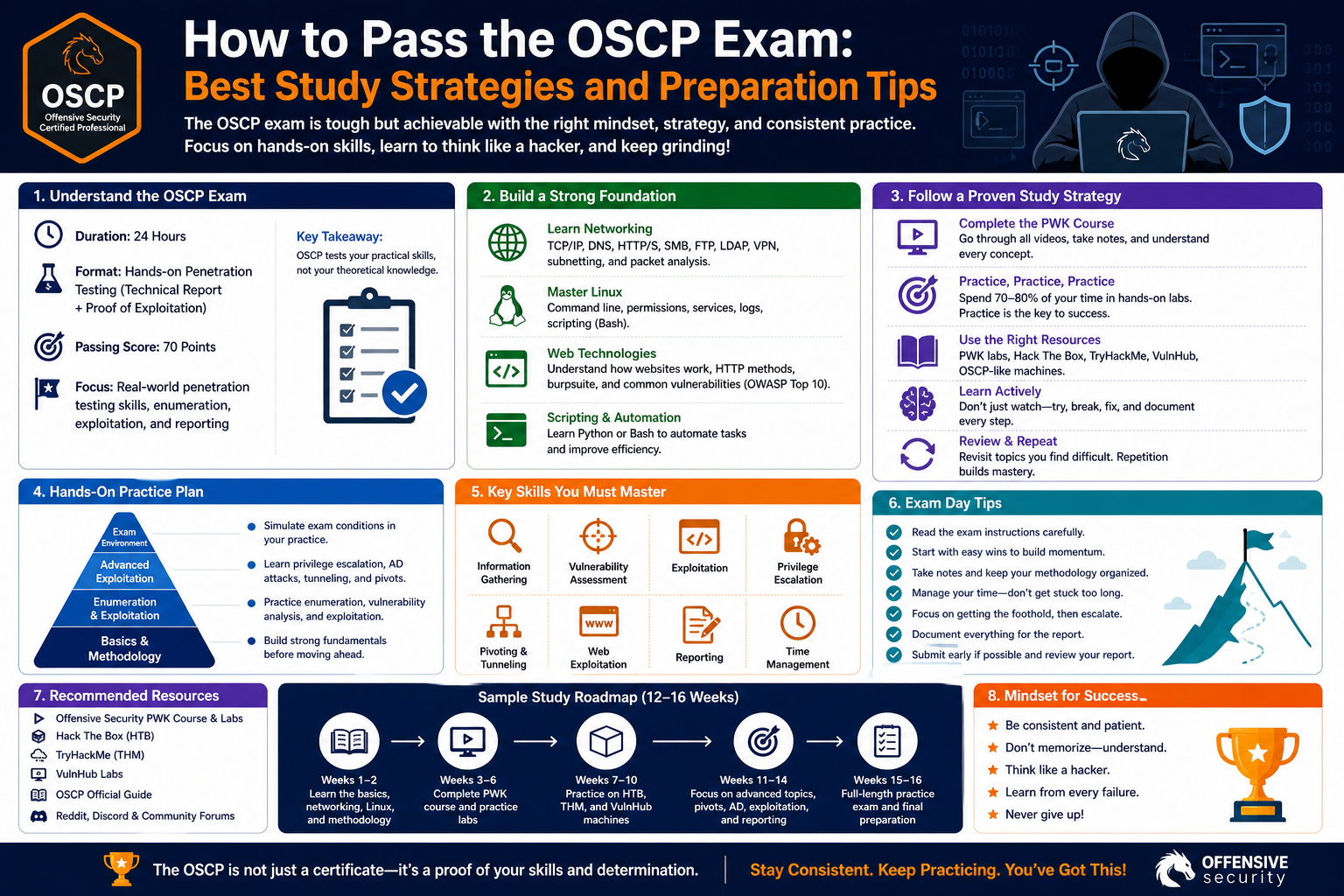
The field of information security has become one of the most rapidly evolving areas in modern technology. As organizations continue to expand their digital infrastructure, the attack surface they expose to potential threats also grows. Every new application, cloud service, remote access system, and connected device introduces additional complexity. This complexity is not just technical; it creates a widening gap between the security demands of organizations and the number of professionals capable of meeting those demands.
Over the past several years, industry discussions have consistently pointed toward a shortage of skilled cybersecurity professionals. This is not a temporary fluctuation but a structural challenge that stems from the speed at which technology is advancing compared to the slower pace at which expertise is developed. Many organizations struggle to find individuals who can effectively secure systems, analyze vulnerabilities, and respond to real-world attacks in a practical, hands-on manner.
This imbalance has created an unusual situation in the job market. On one side, there is a growing number of threats ranging from opportunistic attackers to organized cybercrime groups. On the other side, there are organizations desperately seeking individuals who can defend against these threats. Between them lies a gap that is difficult to bridge because cybersecurity is not a discipline that can be mastered through theory alone. It requires practice, experimentation, failure, and continuous learning.
This environment has led to increased interest in specialized roles within cybersecurity, particularly those that focus on understanding how systems can be broken rather than only how they are protected. These offensive-oriented roles require a different way of thinking and a different skill set, which makes them both challenging and highly valuable.
Why Offensive Security Appeals to Many Professionals
Within cybersecurity, there are two broad perspectives: defensive and offensive. Defensive security focuses on protecting systems, monitoring for threats, and responding to incidents. Offensive security, on the other hand, focuses on simulating attacks, identifying weaknesses, and understanding how real adversaries might exploit systems.
For many professionals entering the field, offensive security presents a more dynamic and exploratory experience. Instead of only analyzing logs or responding to alerts, offensive security practitioners actively test systems. They investigate how applications behave under unexpected input, how networks respond under stress, and how authentication mechanisms can be bypassed when misconfigured.
This hands-on nature makes the work intellectually engaging. It requires curiosity and persistence, as each system behaves differently and presents unique challenges. Unlike structured environments where outcomes are predictable, offensive security involves uncertainty. A method that works on one system may fail on another, requiring adaptation and deeper analysis.
The appeal also lies in the problem-solving aspect. Offensive security professionals often approach systems like puzzles. Each service, configuration, and exposed interface may contain clues about potential weaknesses. The process of identifying and combining these clues into a successful path of exploitation is both analytical and creative.
Additionally, the skills developed in offensive security are highly transferable. Understanding how systems are attacked provides deeper insight into how they should be defended. This dual perspective is valuable in almost every area of cybersecurity, from application security to infrastructure protection.
Understanding the Role of a Penetration Tester
A penetration tester operates in a controlled and authorized environment to simulate real-world attacks against systems, networks, or applications. The goal is not to cause harm but to identify weaknesses before malicious actors can exploit them. This role requires a combination of technical expertise, structured thinking, and ethical responsibility.
Penetration testers are often tasked with examining systems from the outside in. They begin with limited information and gradually build a clearer picture of the target environment. This process involves identifying exposed services, analyzing system behavior, and determining how different components interact.
A key aspect of this role is validation. It is not enough to suspect that a vulnerability exists; it must be demonstrated in a controlled manner. This requires careful planning and precision. Actions must be repeatable and clearly documented so that organizations can understand the risks and take appropriate corrective measures.
Another important dimension of the role is adaptability. No two environments are identical, and penetration testers must adjust their approach based on the systems they encounter. Some environments may be heavily locked down with minimal exposure, while others may contain outdated services or misconfigurations that create opportunities for deeper access.
Communication is also essential. The technical findings must eventually be translated into meaningful insights that non-technical stakeholders can understand. This ensures that security improvements are implemented effectively rather than remaining abstract technical issues.
Thinking Like an Attacker: The Core Mindset
One of the most important aspects of developing offensive security skills is cultivating the right mindset. Technical knowledge alone is not enough. The ability to think like an attacker requires curiosity, patience, and a willingness to explore systems in unconventional ways.
This mindset begins with observation. Instead of interacting with systems in predictable ways, an offensive security practitioner pays close attention to subtle details. Small differences in responses, error messages, or system behavior can reveal underlying structures or potential weaknesses.
It also involves questioning assumptions. Many systems are designed with expected usage patterns in mind, but attackers often operate outside those boundaries. A field that expects a username may behave unexpectedly when given a different type of input. A service that assumes trust within a network may reveal vulnerabilities when accessed from an external perspective.
Persistence is another key trait. Security weaknesses are rarely obvious at first glance. Finding them often requires repeated testing, careful analysis, and revisiting earlier assumptions. Setbacks are common, and progress is often incremental rather than immediate.
This mindset also requires creativity. There is rarely a single correct path to understanding a system’s weaknesses. Instead, multiple approaches may need to be tested and combined. Successful practitioners learn to think laterally, connecting seemingly unrelated pieces of information to form a complete picture.
Building Strong Foundations in Networking
Networking forms the backbone of almost all cybersecurity activities. Without a solid understanding of how data moves between systems, it becomes difficult to interpret system behavior or identify potential weaknesses.
At its core, networking involves communication between devices over various protocols. These protocols define how data is structured, transmitted, and interpreted. Understanding these rules is essential for recognizing when something behaves unexpectedly.
One of the most important concepts in networking is the idea of layers. Different layers handle different aspects of communication, from physical transmission to application-level interactions. Security issues can exist at any layer, and understanding where a problem originates helps in analyzing its impact.
Another key area is addressing and routing. Every device on a network has an identity that allows it to send and receive information. Misconfigurations in addressing can lead to unintended exposure or access.
Ports and services are also fundamental. Systems often run multiple services simultaneously, each listening on specific channels for incoming connections. Identifying which services are exposed and how they respond to input is a crucial step in understanding a system’s attack surface.
Network security also involves understanding how segmentation works. Many environments divide networks into smaller sections to limit exposure. However, misconfigurations in segmentation can sometimes allow unintended communication between isolated areas.
Developing comfort with these concepts allows practitioners to interpret system behavior more effectively. Instead of viewing network activity as abstract data, it becomes a structured system of communication that can be analyzed and understood.
Developing Linux Proficiency for Security Work
Linux systems are widely used in servers, cloud environments, and security tools. As a result, familiarity with Linux is essential for anyone working in offensive security.
At a basic level, Linux requires comfort with command-line interaction. Unlike graphical interfaces, command-line environments rely on precise instructions. This encourages a deeper understanding of system behavior because users must explicitly define their actions.
File systems in Linux are structured differently from those in other operating systems. Understanding how directories are organized, how permissions work, and how processes interact with files is essential for navigating and analyzing systems effectively.
Permissions in particular play a crucial role in security. Every file and process has associated access controls that determine who can read, modify, or execute it. Misconfigured permissions are a common source of vulnerabilities.
Another important aspect is process management. Systems often run multiple services simultaneously, and understanding how these processes interact can reveal important insights about system behavior and potential weaknesses.
Log files also play a significant role in Linux environments. These records provide detailed information about system activity and can be used to identify unusual behavior or trace the source of issues.
Developing fluency in Linux is not about memorizing commands but about understanding how the system operates internally. Once this understanding is established, it becomes much easier to navigate unfamiliar environments and identify potential security concerns.
Essential Programming and Scripting Awareness
While offensive security does not require deep software engineering expertise, a basic understanding of programming and scripting is extremely valuable. It allows practitioners to interpret code, automate tasks, and understand how applications behave internally.
Scripting languages are particularly useful for automating repetitive tasks such as scanning systems, processing data, or interacting with services. Automation reduces manual effort and allows for more efficient analysis of large environments.
Understanding programming logic also helps when reviewing application behavior. Many vulnerabilities arise from logical flaws rather than technical limitations. Being able to read and interpret code helps identify these weaknesses.
Even a basic understanding of concepts such as variables, loops, and conditional statements can significantly improve analytical ability. It allows practitioners to predict how a system might behave under different inputs.
Over time, scripting becomes not just a tool for automation but a way of thinking about problems. Breaking complex tasks into smaller steps and executing them systematically becomes a natural approach to analysis.
The Importance of Enumeration and Information Gathering
One of the most critical phases in offensive security work is information gathering. Before attempting any deeper analysis, it is essential to understand what a system exposes and how it behaves under normal conditions.
This process involves identifying open services, examining responses, and collecting as much contextual information as possible. The goal is not to rush into exploitation but to build a complete understanding of the environment.
Careful observation during this phase often reveals subtle indicators of potential weaknesses. Version information, configuration details, and response patterns can all provide valuable clues.
Information gathering is also iterative. Initial findings often lead to new questions, which require further investigation. This cycle continues until a comprehensive picture of the system is formed.
A disciplined approach to this phase often determines success in later stages. Skipping or rushing through it can lead to missed opportunities or an incomplete understanding of the target environment.
Tools as Extensions of Understanding
In offensive security, tools are used to assist analysis rather than replace understanding. They help automate tasks, collect information, and test hypotheses, but they are only as effective as the person using them.
Different tools serve different purposes. Some are designed for network exploration, others for application testing, and others for analyzing system behavior. However, relying solely on tools without understanding their output can lead to incorrect conclusions.
The most effective practitioners use tools as extensions of their reasoning process. They interpret results critically, validate findings manually, and adapt their approach based on what the data reveals.
This balance between automation and understanding is essential. It ensures that technical skills remain flexible and adaptable rather than dependent on specific utilities or environments.
Preparing Mentally for Hands-On Security Practice
Offensive security is as much a mental discipline as it is a technical one. It requires patience, resilience, and the ability to remain focused over extended periods of problem-solving.
Challenges are expected and often frequent. Systems may resist analysis, methods may fail repeatedly, and progress may feel slow. Developing the ability to persist through these challenges is essential.
Equally important is the willingness to learn continuously. The field evolves rapidly, and techniques that work in one context may not apply in another. Staying adaptable and open to new approaches is a key part of long-term success.
Over time, practitioners develop confidence in their ability to approach unfamiliar systems. This confidence is not based on knowing every answer but on trusting their process of analysis and reasoning.
The combination of technical knowledge, structured thinking, and mental resilience forms the foundation for success in offensive security.
Building a Structured Approach to Penetration Testing Practice
As learners move deeper into offensive security, one of the most important shifts is from random exploration to a structured methodology. Early stages of learning often involve experimenting with tools, following tutorials, and trying out isolated techniques. While this builds familiarity, it does not scale well when dealing with complex environments. Real progress begins when actions become intentional, repeatable, and logically organized.
A structured approach ensures that every target is analyzed in a consistent manner. Instead of guessing what to try next, practitioners follow a sequence of steps that gradually reveal more information about the system. This reduces the likelihood of missing critical details and helps maintain focus during long sessions of analysis.
The process usually begins with broad observation and gradually narrows into a targeted investigation. Systems are first examined at a surface level, identifying available services and visible entry points. From there, each component is analyzed more deeply to understand how it behaves under different conditions.
This approach also helps manage cognitive load. Without structure, it is easy to become overwhelmed by the number of possible directions. A methodical process reduces uncertainty by breaking the problem into smaller, manageable stages. Over time, this structure becomes second nature and forms the backbone of effective penetration testing work.
Developing a Consistent Reconnaissance Workflow
Reconnaissance is one of the most critical phases in offensive security. It is during this stage that practitioners gather the information needed to understand how a system is built and where potential weaknesses might exist. A strong reconnaissance workflow ensures that no important detail is overlooked.
The process typically begins with identifying accessible services and understanding how they respond. Each service provides clues about the underlying system, including potential software versions, configuration patterns, and exposed functionalities. Even small pieces of information can become valuable later when combined with other findings.
Consistency is key during this phase. By following the same steps for every target, practitioners reduce the risk of missing important details. This also helps in developing familiarity with common system patterns, making it easier to recognize anomalies.
Another important aspect of reconnaissance is documentation. Every observation, no matter how small, should be recorded. What seems insignificant at first may later become a critical piece of the puzzle. Over time, these notes form a knowledge base that supports deeper analysis.
Effective reconnaissance is not about speed but about completeness. Rushing through this stage often leads to gaps in understanding, which can significantly slow down progress later in the process.
Understanding Exploitation as a Logical Process
Exploitation is often misunderstood as a purely technical activity, but in practice, it is a logical extension of the information gathered during reconnaissance. It is not about randomly attempting techniques but about applying targeted actions based on observed system behavior.
Once enough information has been collected, practitioners begin identifying potential weaknesses. These weaknesses may arise from outdated software, misconfigurations, or logical flaws in application design. Each potential issue must be carefully evaluated to determine whether it can be reliably leveraged.
The key to successful exploitation is validation. A suspected vulnerability must be confirmed through controlled testing. This ensures that actions are based on an accurate understanding rather than assumptions.
It is also important to recognize that exploitation is rarely a single-step process. In many cases, gaining access to a system involves chaining multiple smaller weaknesses together. One issue may provide limited access, which then reveals additional information, leading to a deeper compromise.
This layered approach requires patience and attention to detail. Each step must be carefully planned and executed to avoid breaking the chain of progression. Over time, practitioners develop an intuitive understanding of how different weaknesses can interact with one another.
Privilege Escalation as a Core Skill Area
After initial access is achieved on a system, the next challenge is often increasing privileges. This process involves moving from a limited user context to a more powerful one, allowing greater control over the system.
Privilege escalation requires a deep understanding of how operating systems manage permissions. Every system has internal rules that define what each user can and cannot do. When these rules are misconfigured or improperly enforced, opportunities for escalation may arise.
There are many different pathways to privilege escalation, and they vary depending on the system environment. Some involve exploiting configuration mistakes, while others rely on identifying insecure service behaviors or weak permission structures.
The key to mastering this area is systematic analysis. Rather than guessing, practitioners examine the system for known patterns of weakness. This includes reviewing user permissions, checking system configurations, and analyzing running processes.
Persistence is especially important during this phase. Privilege escalation often requires multiple attempts and a willingness to revisit earlier assumptions. Small details that were initially overlooked may become critical when viewed from a different perspective.
Navigating Complex Network Environments
As systems become more interconnected, understanding network structure becomes increasingly important. Many real-world environments are not isolated systems but complex networks of interconnected machines, each playing a different role.
In such environments, initial access to one system may serve as a gateway to others. This concept is often referred to as pivoting, where a compromised system is used to access otherwise unreachable parts of a network.
Understanding how to navigate these environments requires a strong awareness of network relationships. Systems may be segmented into different zones, each with its own level of trust and accessibility. Identifying these boundaries is essential for determining possible paths of movement.
Network-based exploration also requires careful attention to routing and connectivity. Not all systems are directly accessible, and some may only be reachable through intermediate machines. Recognizing these relationships allows for more strategic progression through the environment.
Over time, practitioners develop an intuitive sense of how networks are structured. This helps them identify hidden pathways and understand how different systems interact with one another.
Working with Multi-System Environments and Active Directory Concepts
In many professional environments, systems are not standalone entities but part of larger identity and access management structures. One of the most common frameworks for this is centralized directory management, where multiple machines share authentication and authorization systems.
These environments introduce additional complexity because access is no longer purely local. Instead, user identities, permissions, and policies are managed centrally. This means that compromising one part of the system may have broader implications across the entire environment.
Understanding how these systems operate requires familiarity with identity relationships. Users may belong to groups, groups may have inherited permissions, and systems may trust centralized authentication sources. These relationships create opportunities for escalation if misconfigured.
Attacking such environments requires a shift in thinking. Instead of focusing on individual machines, practitioners must consider the entire ecosystem. A weakness in one area may provide indirect access to others, even if those systems are not directly exposed.
This type of environment emphasizes the importance of strategic planning. Rather than treating each system independently, practitioners must map out relationships and identify potential paths of movement through the network.
The Role of Persistence in Long-Form Problem Solving
Offensive security work often involves extended periods of analysis without immediate results. Unlike tasks that produce instant feedback, penetration testing requires sustained effort over time.
Persistence becomes a defining factor in success. Systems may resist initial attempts at analysis, and early approaches may fail repeatedly. This does not indicate a lack of progress but rather the complexity of the environment.
Developing persistence involves maintaining focus despite setbacks. Each failure provides information that can be used to refine the next attempt. Over time, these incremental improvements lead to breakthroughs.
It is also important to manage frustration effectively. Long periods of uncertainty are normal, and maintaining a steady approach helps prevent burnout. Viewing challenges as part of the learning process rather than obstacles helps sustain long-term engagement.
Persistence is closely linked to adaptability. When one approach fails, successful practitioners are able to shift direction without losing momentum. This flexibility is essential in environments where no single method guarantees success.
Research Skills and Independent Problem Solving
One of the most important skills in offensive security is the ability to conduct independent research. Not all problems have straightforward solutions, and many require exploration beyond initial knowledge.
Research involves identifying relevant information, evaluating its reliability, and applying it to the current problem. This process often includes analyzing documentation, interpreting technical behavior, and comparing different potential approaches.
The ability to research effectively also reduces dependency on predefined instructions. Instead of relying on step-by-step guidance, practitioners learn how to find solutions independently.
This skill is particularly important because real-world environments are unpredictable. New vulnerabilities, configurations, and system behaviors appear regularly, and adaptability is essential for staying effective.
Over time, research becomes an integral part of the problem-solving process. It is not a separate activity but a continuous cycle of learning and application.
Building Personal Methodologies for Efficiency
As experience grows, practitioners begin to develop their own internal methodologies. These are personalized approaches to analyzing systems, based on patterns observed over time.
A personal methodology includes preferred workflows, common checks, and structured reasoning processes. While the core principles remain consistent, the execution becomes more refined and efficient.
Developing such methodologies helps reduce cognitive load. Instead of thinking through every step from scratch, practitioners rely on established patterns that guide their actions.
These methodologies are not rigid. They evolve as new techniques are learned and new experiences are gained. Flexibility remains important, but having a foundation improves consistency and speed.
The development of personal methodology is a natural outcome of repeated practice. It reflects the transition from learning individual techniques to understanding how they fit together in a larger analytical framework.
Managing Time and Focus During Intensive Practice
Time management plays a crucial role in offensive security training. Because tasks can be open-ended, it is easy to lose track of time or become overly focused on a single problem.
Effective time management involves balancing depth of analysis with overall progress. Spending too long on one area can delay exploration of other potential opportunities.
Maintaining focus also requires mental discipline. Distractions can interrupt analytical flow, making it harder to maintain continuity in reasoning. Structured work sessions help mitigate this issue.
It is also important to recognize when to step back from a problem. Continuous focus on a single challenge without progress can lead to diminishing returns. Taking breaks or shifting focus temporarily can help reset perspective.
Over time, practitioners develop a natural sense of pacing. They learn when to dig deeper and when to move on, improving both efficiency and effectiveness.
Developing Confidence Through Repetition and Exposure
Confidence in offensive security is not built through theory alone but through repeated exposure to complex scenarios. Each new system encountered adds to a growing base of experience.
This exposure helps reduce uncertainty when facing unfamiliar environments. Patterns begin to emerge, and previously complex tasks become more manageable.
Confidence also comes from overcoming challenges. Successfully navigating difficult scenarios reinforces the belief that problems can be solved through persistence and structured thinking.
However, this confidence is grounded in process rather than certainty. It is not based on knowing all answers but on trusting the ability to find them through analysis and reasoning.
As experience accumulates, practitioners become more comfortable operating in uncertain environments. This comfort is a key indicator of readiness for more advanced challenges in offensive security practice.
Transitioning from Foundational Skills to Advanced Offensive Security Thinking
As learners progress beyond the early and intermediate stages of offensive security, the nature of the work begins to change. At first, the focus is heavily technical and tool-driven, centered on learning how systems behave and how basic vulnerabilities are identified. Over time, however, the emphasis shifts toward strategy, reasoning, and adaptability.
This transition is not abrupt. It develops gradually as familiarity with systems increases and repeated exposure to different environments builds intuition. Instead of asking “what tool should I use next,” the practitioner begins asking “what is the system trying to tell me?” This shift in thinking is subtle but essential.
Advanced offensive security work is less about following predefined steps and more about interpreting incomplete information. Systems rarely reveal everything directly. Instead, they expose fragments of behavior that must be pieced together. Understanding how these fragments connect requires experience and analytical patience.
At this stage, success depends less on memorization and more on reasoning under uncertainty. Even when encountering unfamiliar environments, experienced practitioners rely on patterns they have seen before. These patterns act as mental shortcuts, helping them navigate complexity without becoming overwhelmed.
Developing Analytical Depth in System Behavior Interpretation
One of the defining characteristics of advanced offensive security practice is the ability to interpret system behavior at a deeper level. Instead of simply identifying what a system does, practitioners focus on why it behaves that way and what that behavior implies.
Every system interaction provides data. This includes responses to inputs, error messages, timing differences, and unexpected outputs. While beginners may focus only on obvious results, advanced practitioners analyze subtle variations. These variations often reveal internal logic or hidden conditions.
For example, a system may respond differently depending on input structure, even if the output appears similar at first glance. These small differences can indicate conditional logic, filtering mechanisms, or backend processing rules. Recognizing these patterns is a key skill in advanced analysis.
This level of interpretation requires patience. Systems often do not reveal their structure immediately, and meaningful insights may only emerge after repeated testing. Each interaction becomes part of a larger dataset that must be evaluated collectively rather than individually.
Over time, practitioners develop a sense for when a system is behaving “normally” versus when something unusual is occurring. This intuition is built through repeated exposure and careful observation of many different environments.
Strategic Thinking in Complex Security Environments
As environments grow in size and complexity, strategic thinking becomes increasingly important. Instead of focusing on individual systems in isolation, practitioners must consider how multiple systems interact and depend on each other.
In real-world environments, systems are rarely standalone. They exist within networks of relationships, where access to one system may influence access to others. Understanding these relationships is essential for effective analysis.
Strategic thinking involves prioritization. Not all systems or vulnerabilities are equally important. Some provide limited value, while others may serve as critical entry points to broader environments. Identifying which paths are most valuable requires careful evaluation.
It also involves planning multiple steps. Instead of reacting to each discovery independently, practitioners consider how current findings may influence future opportunities. This forward-thinking approach helps maintain direction during complex investigations.
At this level, offensive security becomes less about isolated actions and more about coordinated sequences of decisions. Each step is chosen not only for its immediate value but also for how it contributes to long-term objectives.
Understanding Multi-Layered Security Defenses
Modern systems are designed with multiple layers of defense. These layers may include network restrictions, authentication mechanisms, application-level protections, and monitoring systems. Each layer serves a specific purpose in reducing exposure to threats.
Understanding how these layers interact is essential for advanced analysis. A weakness in one layer may be mitigated by another, or multiple small weaknesses may combine to create a larger issue.
For example, a service may appear secure at the application level but rely on weaker underlying configurations. Alternatively, access restrictions may be bypassed indirectly through misconfigured trust relationships between systems.
Analyzing layered defenses requires careful observation. Each layer must be evaluated independently before understanding how they interact. This process often reveals unexpected relationships between system components.
It is also important to recognize that security layers are not always perfectly aligned. Misconfigurations or outdated components can create gaps that do not conform to the intended design. Identifying these gaps requires attention to detail and systematic analysis.
Evolving Approaches to Problem Solving in Security Assessments
Problem-solving in offensive security evolves significantly as experience increases. Early approaches often rely on trial and error or following known procedures. While effective for learning, these methods become less efficient in complex environments.
Advanced problem solving is more structured and hypothesis-driven. Instead of randomly attempting actions, practitioners form educated assumptions based on observed behavior. These assumptions are then tested systematically.
This approach reduces wasted effort and increases efficiency. Each action is guided by reasoning rather than uncertainty. Even when results are unexpected, they contribute to refining the understanding of the system.
Another important aspect of advanced problem solving is abstraction. Instead of focusing on specific technical details, practitioners begin to recognize general patterns that apply across different systems.
These patterns allow for faster recognition of potential issues and more efficient analysis of unfamiliar environments. Over time, this abstraction becomes one of the most valuable skills in offensive security.
Adapting to Unpredictable System Responses
One of the defining characteristics of real-world systems is unpredictability. Systems may behave inconsistently depending on load, configuration changes, or environmental factors. This unpredictability can complicate analysis but also provides valuable insight.
Advanced practitioners learn to adapt quickly to unexpected behavior. Instead of assuming that systems will behave consistently, they account for variability in their analysis.
This requires flexibility in thinking. When results do not match expectations, the response is not frustration but reevaluation. Each unexpected outcome is treated as additional data rather than a failure.
In many cases, unpredictable behavior can indicate underlying issues. Timing differences, inconsistent responses, or partial failures may reveal hidden system behavior that is not immediately visible.
By remaining observant and adaptable, practitioners can turn unpredictability into an advantage rather than an obstacle.
Deepening Understanding of Privilege Relationships
As analysis becomes more advanced, understanding privilege relationships becomes increasingly important. Systems are built with hierarchical structures that define how users and processes interact with resources.
These relationships determine what actions are permitted and under what conditions. When these relationships are misconfigured, unintended access paths may emerge.
Advanced analysis involves mapping these relationships in detail. This includes understanding how permissions are inherited, how roles are assigned, and how access controls are enforced.
It also involves recognizing indirect relationships. A user may not have direct access to a resource but may inherit permissions through group membership or system configuration.
Understanding these relationships requires careful observation and logical reasoning. It is not enough to look at individual permissions in isolation; the entire structure must be considered.
Over time, practitioners become skilled at identifying weak points in these structures and understanding how they can be leveraged in controlled scenarios.
Exploring Attack Paths Through System Interconnectivity
In complex environments, systems are often interconnected in ways that are not immediately obvious. These connections can create indirect pathways that allow movement between systems.
Identifying these pathways requires mapping system relationships and understanding how data flows between components. Even systems that appear isolated may have hidden connections through shared services or trust relationships.
Advanced practitioners approach environments like networks of dependencies rather than isolated machines. Each system is viewed as part of a larger ecosystem.
Attack paths often emerge through combinations of small weaknesses. A single vulnerability may not provide full access, but when combined with other findings, it can form a complete pathway.
Recognizing these combinations is a key skill. It requires both technical understanding and strategic thinking to identify how different elements can be linked together.
Refining Documentation and Analytical Tracking
As complexity increases, documentation becomes even more important. Detailed records of observations, tests, and results help maintain clarity throughout long investigations.
Effective documentation is not just about recording outcomes but also about capturing reasoning. Understanding why a particular decision was made is as important as the result itself.
This allows practitioners to revisit earlier assumptions and adjust their analysis when new information becomes available. Without this record, it becomes difficult to track progress or identify missed opportunities.
Documentation also supports collaboration and communication in professional environments. Even when working independently, clear records help structure thinking and improve overall efficiency.
Over time, documentation becomes an extension of the analytical process itself, helping organize thoughts and maintain consistency across complex tasks.
Building Mental Resilience for Extended Analysis Sessions
Advanced offensive security work often involves long periods of focused analysis. During these sessions, progress may be slow, and breakthroughs may take time to emerge.
Mental resilience becomes essential in maintaining productivity during these extended periods. It involves staying focused despite uncertainty and maintaining motivation even when results are not immediate.
This resilience is built through experience. Over time, practitioners learn that progress is often non-linear. Periods of stagnation are often followed by rapid breakthroughs.
Maintaining a steady mindset helps prevent frustration from interfering with analysis. Instead of viewing challenges as obstacles, they are seen as part of the investigative process.
This perspective allows for sustained engagement with complex problems without losing focus or direction.
Continuous Evolution of Offensive Security Expertise
Offensive security is not a static field. Techniques, systems, and defenses evolve continuously, requiring practitioners to adapt and learn throughout their careers.
This continuous evolution means that expertise is never fully complete. Even experienced professionals must regularly update their knowledge and refine their approaches.
Adaptability becomes one of the most important long-term skills. The ability to learn new concepts, understand new systems, and apply existing knowledge in new contexts ensures continued effectiveness.
Over time, offensive security becomes less about individual techniques and more about understanding principles that apply across different environments.
These principles include structured thinking, careful observation, strategic planning, and continuous adaptation. Together, they form the foundation of advanced offensive security practice and support ongoing growth in the field.
Conclusion
Offensive security represents one of the most dynamic and intellectually demanding areas within the broader cybersecurity field. It is not defined solely by tools or techniques, but by the way professionals learn to think, analyze, and adapt to constantly changing systems. Throughout the journey from foundational learning to advanced practice, the most important transformation is not technical alone, but cognitive—how problems are approached, interpreted, and solved under uncertainty.
At its core, this discipline rewards curiosity and persistence. Systems rarely reveal their weaknesses immediately, and meaningful progress often emerges only after repeated observation and structured investigation. What begins as a simple exploration gradually evolves into a disciplined methodology, where every action is guided by reasoning rather than guesswork. Over time, this approach becomes instinctive, shaping how practitioners interact with any unfamiliar environment.
The value of offensive security knowledge also extends beyond specialized roles. Understanding how systems can be tested and challenged naturally strengthens defensive awareness. It provides insight into how vulnerabilities arise, how misconfigurations develop, and how seemingly minor oversights can escalate into significant security risks. This dual perspective enhances overall technical maturity and contributes to better decision-making in a wide range of IT roles.
Another defining aspect of this field is its emphasis on adaptability. Technology environments are not static, and neither are the methods used to evaluate them. New systems, updated defenses, and evolving architectures ensure that learning never truly ends. Professionals who succeed in this space are those who remain flexible, continuously refine their thinking, and are willing to question assumptions when new information emerges.
Equally important is the development of resilience. Offensive security work often involves long periods of uncertainty, where progress may feel slow or unclear. However, these challenges are not setbacks; they are part of the learning process. Each difficulty encountered contributes to a deeper understanding, even when immediate results are not visible. Over time, this builds confidence rooted not in certainty, but in the ability to persist and adapt.
As experience grows, practitioners begin to recognize that success in this field is less about memorizing individual techniques and more about understanding underlying principles. These principles—structured analysis, careful observation, strategic thinking, and continuous learning—apply across a wide range of scenarios and remain relevant even as technologies change.
Ultimately, offensive security is a journey of continuous refinement. It challenges individuals to think critically, act methodically, and remain adaptable in the face of complexity. Those who commit to this path develop not only technical expertise but also a mindset that values precision, patience, and intellectual curiosity. This combination is what enables long-term growth and meaningful contribution in a field that continues to evolve with every new technological advancement.